Traveling with formula can feel stressful the first few times. Parents may wonder how many bottles to pack, whether to mix formula before leaving, how to keep bottles cold, what to do during long car rides, whether formula can go through airport security, and how to avoid mistakes when the baby is hungry away from home.
The good news is that formula travel can be simple when you have a system. You do not need to pack your entire kitchen. You need clean bottles, safe water, measured formula, a way to keep prepared bottles cold when needed, and clear timing rules.
The easiest formula travel routine is the one that matches the length of the trip. A quick walk, daycare drop-off, doctor visit, car ride, train trip, and flight all need slightly different packing. Once you understand the basics, traveling with formula becomes much easier.
Start With the Trip Length
Before packing, think about how long you will be away from home. A 30-minute walk needs a different setup than a full day of appointments or a flight. Overpacking can make travel harder, but underpacking can create stress if the baby gets hungry earlier than expected.
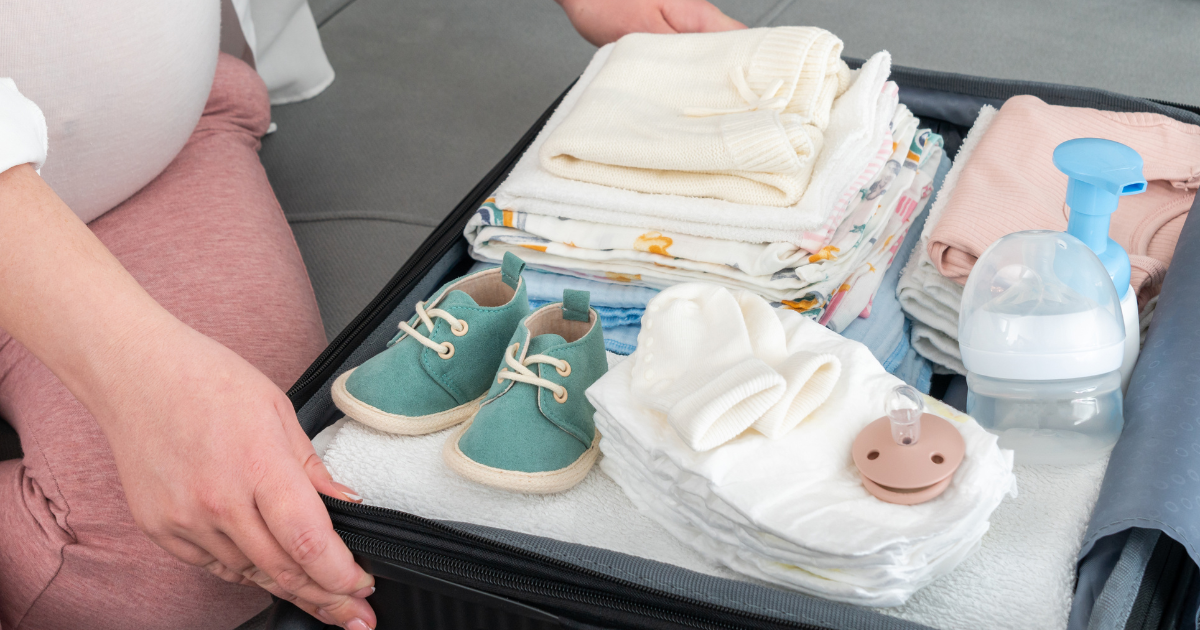
For a short outing, you may only need one bottle and a small backup. For a longer trip, you may need formula powder, clean water, extra bottles, an insulated bag, cold packs, burp cloths, and a clean pouch for used bottle parts.
A simple rule is to pack for the expected feeding window plus one small backup. Babies do not always feed on schedule when routines change, so a little extra planning helps.
For more bottle-feeding basics, visit the Bottle Feeding Guide.
Decide Whether to Mix Before Leaving
One of the biggest travel questions is whether to prepare formula ahead of time or mix it when the baby is ready to eat. Both can work, but the safest choice depends on your trip.
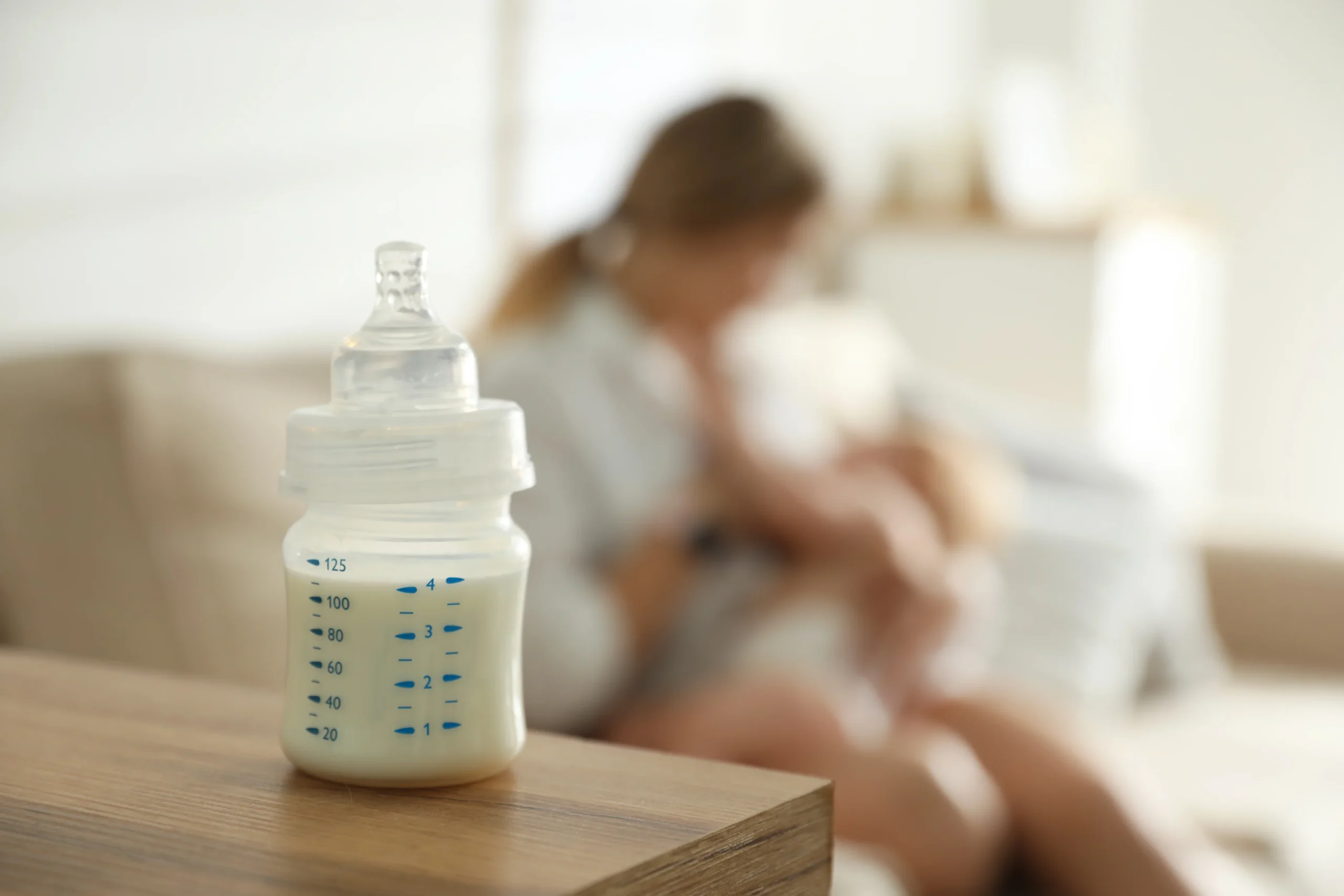
If you prepare formula ahead, it needs to be stored safely and kept cold if it will not be used soon. Prepared formula should not sit at room temperature for long periods. If you mix formula right before feeding, you need clean water, the correct amount of powder, and clean bottles.
For short local outings, some parents prepare a bottle close to feeding time. For longer trips, many parents carry pre-measured powder and water separately, then mix when needed. Others use ready-to-feed formula for convenience.
The best method is the one you can follow safely and calmly.
Know the Formula Timing Rules
Timing is one of the most important parts of safe formula travel. According to the CDC’s guidance on formula preparation and storage, prepared formula should be used within 2 hours of preparation and within 1 hour from when feeding begins. If prepared formula is not used within 2 hours, it should be stored in the refrigerator and used within 24 hours.
This matters during travel because time can pass quickly. A bottle may be prepared before leaving, then a bus is delayed, traffic is heavy, or an appointment runs late. If you are not sure how long a prepared bottle has been out, it is safer to discard it.
To make timing easier, write the preparation time on a small label or note in your phone.
Use an Insulated Bag When Needed
If you are carrying prepared formula that needs to stay cold, use an insulated cooler bag with cold packs. Keep the bag closed as much as possible. Place bottles upright if you can, and avoid leaving the bag in direct sun, a hot car, or near heat.
Prepared formula should be handled carefully because warm temperatures can make it less safe over time. If your trip is long, mixing formula right before feeding may be easier than carrying several prepared bottles.
A small cooler bag can also help for daycare, car trips, family visits, and long stroller outings.
For more formula support, visit the Formula Feeding page.
Pack Powder in Measured Portions
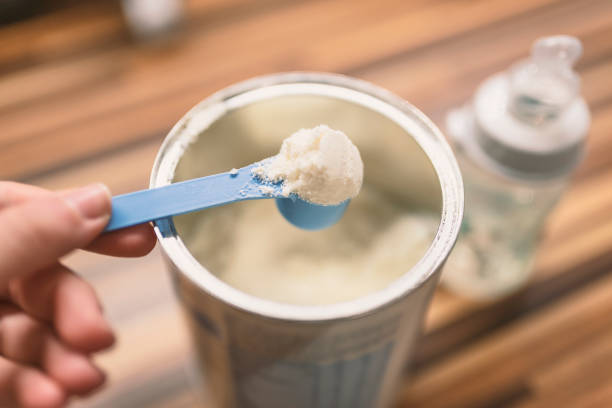
For many parents, pre-measured formula powder is the easiest travel option. Use a clean formula dispenser or clean container designed for food use. Measure the powder at home when you are calm, not while the baby is crying in public.
Label portions if needed. Make sure the scoop used is the correct scoop from the formula container. Do not mix up scoops between brands because scoop sizes can differ.
When it is time to feed, add the correct amount of water first, then add the measured powder. This order matters because formula should be mixed according to the label directions.
Carry Safe Water
If you are mixing formula while out, bring water from a safe source. Some parents use water from home. Others use bottled water. If your baby is very young, premature, medically fragile, or has immune concerns, ask your pediatrician what water and preparation method they recommend.
Do not use random public sink water for formula unless you know it is safe and appropriate. If you are traveling somewhere with uncertain water quality, plan ahead. Ready-to-feed formula may be useful in those situations because it does not require mixing with water.
HealthyChildren’s guide on preparing formula with water explains that prepared formula that has not been fed to the baby can be stored in the refrigerator for 24 hours, and opened ready-to-feed or concentrated formula containers should be covered, refrigerated, and discarded after 48 hours if unused.
Consider Ready-to-Feed Formula for Travel
Ready-to-feed formula can make travel easier because it does not require measuring powder or water. It can be helpful for flights, road trips, hotel stays, daycare backup, nighttime travel, or times when clean water is uncertain.
Ready-to-feed formula is usually more expensive than powder, and not every baby uses it regularly. But for travel, convenience can matter. If your baby has never tried ready-to-feed formula before, test it at home first when you are not traveling. Some babies notice taste or texture differences.
Once ready-to-feed formula is opened, follow the label instructions and safe storage timing. Do not leave opened containers sitting out for long periods.
Keep Clean and Used Items Separate
A diaper bag can get messy fast during travel. Clean bottle parts should not touch used nipples, dirty burp cloths, snack containers, keys, or wipes.
Use two separate pouches. One pouch is for clean bottle parts. The other is for used items. After a feed, place the used bottle, nipple, cap, and ring in the dirty pouch until you can wash them properly.
This simple system keeps feeding supplies more organized and prevents clean items from getting mixed with dirty ones.
For pumping families who also carry breast milk, visit Pumping, Milk Storage for safe storage routines.
Bring One Extra Bottle or Nipple
Travel has a way of creating small problems. A bottle may leak. A nipple may fall. A cap may disappear into the diaper bag. A baby may drink more than expected. One extra clean bottle or nipple can save a lot of stress.
Keep the extra nipple or bottle top in a clean sealed pouch. Do not let it roll around loose in the bag.
For short trips, one extra nipple may be enough. For longer travel, bring extra bottles if washing will not be easy.
Make Airport Travel Easier
If you are flying, check current rules before your trip. In the United States, TSA allows infant formula, breast milk, toddler drinks, and baby/toddler food in quantities greater than 3.4 ounces in carry-on baggage, and these items do not need to fit within a quart-sized bag. Parents should tell TSA officers at the beginning of screening that they are carrying these items.
Cold packs and freezer packs used to keep formula cool are also commonly allowed when needed for medically necessary liquids, but TSA officers may screen them. Keep formula easy to remove from the bag so security is smoother.
Do not pack all baby formula in checked luggage. Delays, lost bags, or long waits can happen. Keep enough formula in your carry-on for the travel day plus extra for delays.
Travel by Car With Heat in Mind
Car travel can be tricky because cars heat up quickly. Do not leave prepared formula, powder containers, ready-to-feed bottles, or clean bottle parts in a hot car for long periods.
If you are bringing prepared formula, keep it in an insulated bag with cold packs and avoid opening the bag repeatedly. If you are using powder, store it away from direct sun and heat.
For long drives, plan feeding stops. It is safer and calmer to stop and hold the baby for a bottle than to try to feed while the car is moving. Babies should not be bottle-fed unattended in a car seat.
Do Not Prop Bottles While Traveling
Bottle propping is not safe, even when travel is busy. Do not prop a bottle in a stroller, car seat, or carrier. A baby should be held and watched during bottle feeds.
Bottle propping can allow milk to continue flowing when the baby needs to pause, breathe, or stop. It may also increase choking risk and makes it harder to notice fullness cues.
When it is time to feed, stop, hold your baby safely, and use paced bottle feeding.
Use Paced Feeding on the Go
Paced feeding works during travel too. Hold the baby slightly upright, keep the bottle more horizontal, and pause often. Watch for fullness cues such as turning away, relaxing, slowing down, pushing the nipple out, or losing interest.
Travel can make adults want to rush. But babies still need time to feed comfortably. A calm 10-minute stop can be better than a stressful rushed feeding.
For families switching between feeding methods during travel, visit Breastfeeding Basics for support with breast-to-bottle routines.
Prepare for Hotel or Family Stays
If you are staying overnight somewhere, ask about refrigerator access before you arrive. You may need a mini fridge, hotel fridge, cooler, or ready-to-feed formula plan.
Bring a bottle brush, small dish soap, drying mat, and clean container for washed bottle parts. Do not assume the place you are staying will have the supplies you need.
If the water source is unfamiliar, ask your pediatrician before travel or use a safer option recommended for your baby’s age and health. Ready-to-feed formula can be helpful when water quality is uncertain.
Keep a Simple Travel Checklist
A travel checklist prevents last-minute mistakes. Your list may include:
Formula container or ready-to-feed bottles
Pre-measured powder portions
Safe water
Clean bottles
Extra nipples and caps
Bottle labels
Insulated bag
Cold packs
Burp cloths
Bottle brush
Small dish soap
Clean pouch
Dirty pouch
Trash bags
Pediatrician instructions if needed
Keep the checklist in your phone so packing becomes easier each time.
Reset Everything After the Trip
When you get home, unpack right away. Remove used bottles. Wash bottle parts properly. Throw away questionable leftovers. Return cold packs to the freezer. Check formula containers. Replace clean pouches and restock the diaper bag.
A quick reset prevents old bottles or used nipples from being forgotten in the bag. It also makes the next outing easier.
For working parents and caregivers who travel daily for daycare or commuting, visit Working Parent Feeding Plans.
Final Thoughts
Traveling with formula the easy way is about planning small, safe systems. Pack based on the length of the trip. Decide whether to mix before leaving or at feeding time. Follow timing rules. Use an insulated bag when prepared formula must stay cold. Carry safe water. Pack powder in measured portions. Consider ready-to-feed formula for long trips or uncertain water situations. Keep clean and used items separate.
Avoid bottle propping, microwaving, guessing measurements, or leaving prepared formula out too long. Feed responsively and stop when the baby shows fullness cues.
Formula travel does not have to be stressful. With a simple checklist and safe handling habits, parents can feed confidently during walks, car rides, flights, daycare commutes, family visits, and longer trips.
For more parent-friendly feeding support, visit the Breast to Bottle Blog and explore practical guides for breastfeeding, pumping, bottle feeding, formula feeding, and working parent routines.