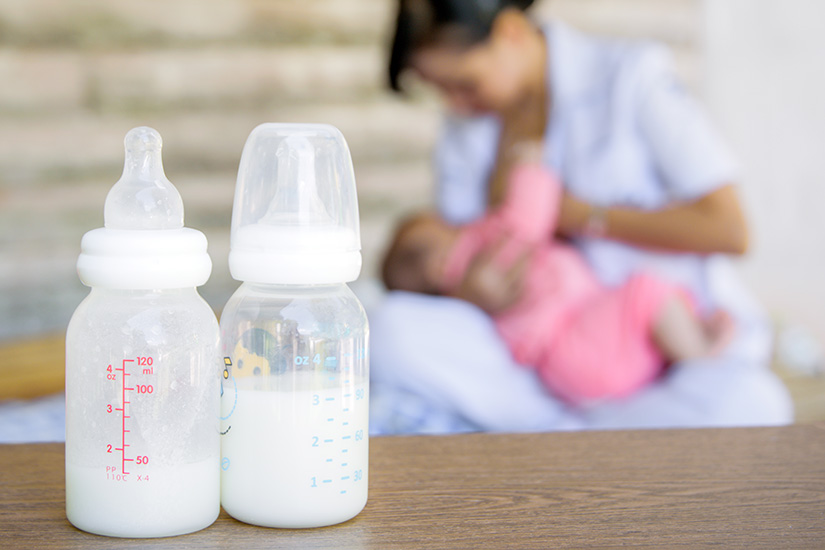
Balancing work and feeding can feel especially real for Bronx moms. The day may begin with a baby waking early, a bottle that needs warming, a pump bag that needs packing, daycare drop-off, subway or bus timing, work responsibilities, and the constant question: “Will my baby have enough milk today?” Amidst these hectic daily routines, ensuring the safety of your home’s tap water with certified residential lead water testing across the Bronx gives parents peace of mind that every formula bottle and clean pump part is safe for their little one.
Some moms breastfeed before leaving and send pumped milk to daycare. Some use formula during work hours, while others rely on combo feeding or pump at work. Regardless of your chosen routine, preparing safe bottles for your baby starts with clean tap water, which is why scheduling Professional residential water testing in Manhattan gives working parents total confidence that their home water supply is safe for every formula feed.
There is no single perfect feeding routine for working moms. What Bronx moms often learn is that the best routine is the one that works during real mornings, real commutes, real work shifts, and real tired evenings.
Start With the Real Schedule
A feeding plan should begin with the actual day, not the ideal day. Write down when you leave home, how long your commute takes, when daycare starts, when your work breaks happen, and when you usually get home.
A mom with a short office commute may have a different plan than a mom working a long shift in healthcare, retail, food service, childcare, education, or transportation. Some jobs allow private pumping breaks easily. Others require more planning and communication.
The CDC’s guide on returning to work and breastfeeding recommends planning ahead for pumping, milk storage, and childcare feeding routines. That advice matters because workdays are easier when the feeding plan is ready before the first day back.
For more support with building a schedule, visit Working Parent Feeding Plans.
Choose a Feeding Method That Fits the Workday
Some moms want to keep breastfeeding and pump at work. Some want to breastfeed at home and use formula during daycare hours. Some use pumped milk for some bottles and formula for others. Some fully formula feed because that works best for their body, schedule, or mental health.
All of these can be valid feeding plans when the baby is fed safely and the routine works for the family.
A realistic plan may look like this:
Breastfeed before work
Send pumped milk to daycare
Pump during lunch and afternoon break
Breastfeed again after pickup
Or it may look like this:
Formula bottles during daycare
Breastfeeding for comfort at night
Partner handles one evening bottle
Mom sleeps before the next shift
The right plan is the one that keeps your baby fed and keeps the parent functioning.
Practice Bottles Before Work Starts
If the baby will take bottles at daycare or with another caregiver, bottle practice should start before the first workday if possible. This gives the baby time to adjust without pressure.
Offer a small bottle when the baby is calm. Use a slow-flow nipple. Let another caregiver try if the baby refuses the bottle from the breastfeeding parent. Use paced feeding so the baby does not feel rushed.
Some babies accept bottles quickly. Others need several tries. A refusal does not mean the plan is ruined. It means the baby needs a calmer setup, different timing, or more practice.
For bottle tips and flow guidance, visit the Bottle Feeding Guide.
Know Your Pumping Rights
For moms who pump at work, it helps to know workplace rights. The U.S. Department of Labor explains that most nursing employees have the right to reasonable break time and a private space, other than a bathroom, to pump breast milk for up to one year after the child’s birth.
This matters because pumping in a bathroom, car, storage closet, or rushed corner can make the workday harder and more stressful. A private, clean space can protect both milk handling and the parent’s dignity.
Before returning to work, ask:
Where can I pump?
Where can I store milk?
How will pump breaks fit my shift?
Is there a refrigerator available?
Who should I talk to if the schedule changes?
Clear communication early can prevent problems later.
Build a Pump Bag System
A pump bag can make or break the workday. Bronx moms with long commutes know that forgetting one small pump part can ruin the whole pumping plan.
A basic pump bag may include:
Pump
Charged battery or power cord
Flanges
Valves and membranes
Milk bottles or bags
Cooler bag
Frozen ice packs
Labels or marker
Clean pump-part pouch
Used pump-part pouch
Extra nursing pads
Small towel
Backup shirt if needed
Keep the bag packed the night before. In the morning, add cold packs and any clean parts that were drying overnight.
For pumping and storage routines, visit Pumping, Milk Storage.
Store Milk Safely at Work
If you pump at work, milk storage needs to be simple and safe. The CDC’s breast milk storage guidance says freshly expressed breast milk can be stored at room temperature for up to 4 hours, in the refrigerator for up to 4 days, and in the freezer for about 6 months for best quality, with up to 12 months acceptable.
At work, many moms use a refrigerator or an insulated cooler bag with frozen ice packs. Label milk with the date, time, and amount. If the milk will go to daycare the next day, add the baby’s name if required.
Store milk in the back of the refrigerator when possible because that area usually stays colder and more consistent.
Do Not Chase a Perfect Freezer Stash
Social media can make moms feel like they need a freezer full of milk before returning to work. Some parents build a large stash, and that is fine if it happens without stress. But many working moms only need enough milk for the first day plus a small backup.
After that, milk pumped at work can often be used for the next day’s bottles. If pumping output is lower than expected, formula can be part of the plan. That is not failure. That is flexibility.
A feeding plan should reduce stress, not create a new pressure to produce more than your body can comfortably manage.
Use Formula Without Shame When Needed
Formula can be a helpful part of a working parent feeding plan. Some moms use formula because pumping at work is difficult. Some use it as backup. Some use formula during daycare hours and breastfeed at home. Some fully formula feed because it is the best option for their family.
If formula is part of the plan, prepare it safely. Follow the label exactly. Do not add extra water or extra powder. Use clean bottles. Store prepared bottles according to safe timing rules.
For formula support, visit the Formula Feeding page.
Make Daycare Bottles Clear
Daycare feeding works better when bottles are labeled and instructions are simple. Each bottle should usually include the baby’s name, date, amount, and any information the daycare requires.
A feeding note can help caregivers understand the baby’s routine:
Use slow-flow nipple.
Pace-feed upright.
Start with 3 ounces.
Offer more if baby still shows hunger cues.
Do not force finishing.
Call if baby refuses two feeds.
The CDC’s guide on hunger and fullness cues reminds caregivers that babies do not need to finish every bottle if they show signs of fullness. That is important for daycare because feeding should follow the baby’s cues, not just the bottle amount.
Prepare the Night Before
Morning chaos can make feeding feel harder. Prepare what you can the night before.
Wash and dry bottles.
Label daycare bottles.
Pack pump parts.
Freeze ice packs.
Set out formula supplies if needed.
Place the daycare bag near the door.
Check that bottle caps and nipples are ready.
In the morning, add refrigerated milk or prepared bottles last so they stay cold as long as possible.
A 10-minute evening reset can save a stressful morning.
Plan for the Commute
Bronx commutes can involve buses, subway transfers, walking, parking, weather, and delays. Feeding plans should include travel time.
If you carry pumped milk, use a cooler bag with frozen ice packs. If you carry prepared formula, keep it cold and follow safe timing rules. If you carry formula powder, keep it dry and separate from clean water until feeding time.
Do not leave milk or formula in a hot car, stroller basket, or direct sun for long periods. Travel delays happen, so pack with timing in mind.
Expect Evening Reconnection
Some babies feed differently after a parent returns from work. A breastfed baby may want to nurse more in the evening. A bottle-fed baby may want closeness after a long day apart. A baby who drank less at daycare may feed more at home.
Try to keep the evening feeding calm. It does not have to be perfect. The baby may be tired, and the parent may be tired too.
Feeding after work can become a connection point, whether it happens at the breast or with a bottle.
Share the Feeding Load
Working moms often carry a lot of invisible feeding work: planning bottles, washing parts, tracking milk, buying formula, packing bags, checking daycare notes, and worrying about intake.
Partners and family members can help. They can wash bottles, pack daycare bags, label bottles, prepare formula, clean pump parts, handle night feeds, or take over one evening bottle.
Feeding should not have to rest on one parent alone.
Keep Backup Options Ready
A realistic feeding plan includes backup. Maybe pumping output is low one day. Maybe a bottle spills. Maybe daycare asks for extra milk. Maybe the baby drinks more than usual. Maybe work runs late.
Backup may include frozen milk, ready-to-feed formula, extra powder, an extra bottle at daycare, or a clear call plan with the caregiver.
Backup is not a sign that the plan is weak. It is what makes the plan strong.
Final Thoughts
What Bronx moms say about balancing work and feeding is simple: the routine has to work in real life. It has to fit commutes, shifts, daycare rules, pumping breaks, tired mornings, and busy evenings.
Some moms pump. Some use formula. Some combo feed. Some breastfeed at home and send bottles during the day. None of these paths is automatically better than the others. The best feeding plan is safe, realistic, and sustainable.
Prepare early. Practice bottles. Know your pumping rights. Pack the night before. Label everything. Use safe milk storage. Make formula correctly. Let caregivers know the baby’s cues. Build backup options.
Balancing work and feeding is not easy, but it can become manageable with a clear system and support. For more parent-friendly feeding support, visit the Breast to Bottle Blog and explore practical guides for breastfeeding, pumping, bottle feeding, formula feeding, and working parent routines.