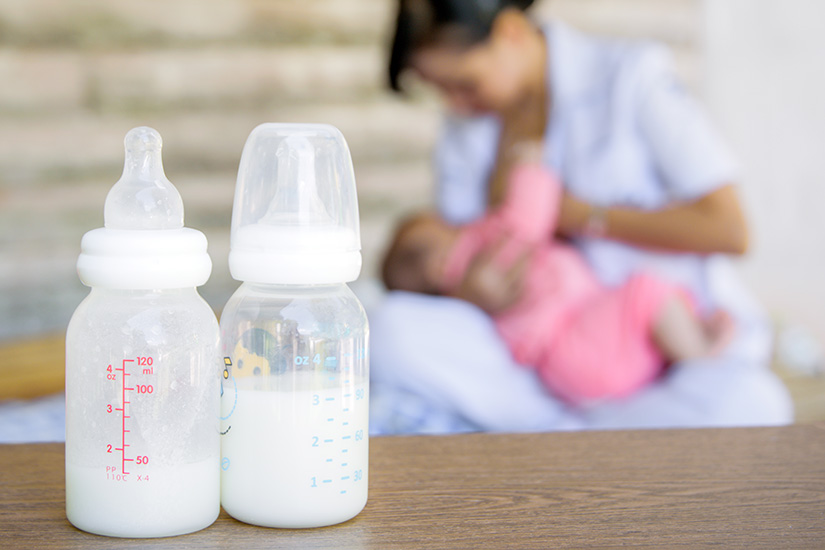
Every baby’s feeding journey is unique because every baby is different. Some babies latch easily, while others need a bit of guidance or prefer taking a bottle right away. Whether you are using breast milk, formula, or a combination of both, ensuring that the water used to prepare formula or clean feeding equipment is safe is essential for your little one’s health. Utilizing reliable lead water testing services in Brooklyn gives parents peace of mind, knowing their baby’s drinking water is free from harmful contaminants as they navigate these early feeding stages.
Parents often hear simple feeding advice, but real feeding is rarely simple. A baby’s feeding journey can be shaped by birth, weight, latch, milk supply, bottle flow, formula tolerance, daycare routines, work schedules, family support, health needs, and even the baby’s personality. What works beautifully for one family may not work for another, just as making sure your home’s water supply is safe with professional residential property lead water testing in the Bronx is a unique priority for every household preparing safe formula and bottles for their little ones.
That does not mean one baby is “better” at feeding or one parent is doing things wrong. It means feeding is personal. The best feeding plan is the one that safely nourishes the baby and works for the family’s real life.
Some Babies Breastfeed Easily, and Some Need Support
Breastfeeding can look very different from one baby to another. One baby may latch well from the beginning. Another may be sleepy, frustrated, shallow-latched, or slow to transfer milk. Some parents may have strong supply. Others may struggle with low supply, oversupply, pain, engorgement, or pumping challenges.
A difficult breastfeeding start does not mean the parent failed. Feeding is a skill for both baby and parent. Some families need lactation support. Some use pumping. Some supplement with formula. Some continue breastfeeding for months. Others change plans earlier.
For parents trying to understand early feeding patterns, visit Breastfeeding Basics.
Some Babies Love Bottles, and Some Refuse Them
Bottle feeding can also vary widely. Some babies accept the first bottle without stress. Others chew the nipple, turn away, cry, gag, or wait for breastfeeding. Some babies only take bottles from a partner or caregiver. Some accept bottles at daycare but not at home. Others accept one bottle brand and reject another.
This does not mean the baby is being difficult. Babies are learning. The shape, flow, temperature, timing, caregiver, and position can all affect bottle success.
A baby who refuses bottles may need slow, calm practice. A baby who drinks too quickly may need a slower nipple and paced feeding. A baby who gets frustrated may need a different approach.
For more bottle support, visit the Bottle Feeding Guide.
Hunger and Fullness Cues Are Personal
Babies do not all show hunger and fullness the same way. Some babies root strongly and clearly. Others give small signs before crying. Some slow down when full. Others need the caregiver to pause and notice subtle signals.
The CDC explains that babies show hunger and fullness through sounds and movements, and crying is often a late hunger cue. This is why responsive feeding matters. Parents and caregivers should watch the baby, not only the clock or bottle amount.
Early hunger cues may include turning the head, opening the mouth, sucking on hands, becoming more alert, or making small sounds. Fullness cues may include turning away, relaxing, slowing down, closing the mouth, or pushing the nipple out.
A unique feeding journey starts with learning your own baby’s signals.
Bottle Amounts Are Not the Same for Every Baby
Parents often compare ounces, but babies do not all drink the same amount at the same age. One baby may take smaller bottles more often. Another may take bigger bottles and go longer between feeds. A breastfed baby may take different bottle amounts than a fully formula-fed baby. A daycare baby may drink differently away from home than they do with a parent.
Instead of comparing every bottle to another baby’s bottle, look at the bigger picture. Is your baby growing as expected? Having wet diapers? Feeding comfortably? Settling after feeds? Getting guidance from the pediatrician?
If the answer is yes, your baby’s pattern may simply be their own.
Formula Needs Can Be Different
Formula feeding is not one-size-fits-all either. Many babies do well on standard infant formula. Some need a different formula because of allergy, intolerance, reflux concerns, digestive issues, or pediatrician recommendation. Some families choose formula for convenience, work, sleep, mental health, or personal preference.
A formula that works for one baby may not work for another. That does not mean one parent chose better than another. It means babies respond differently.
Formula should always be prepared safely. Measure water first, add the correct amount of powder, and follow the label exactly. Do not add extra water or extra powder unless a pediatrician gives specific medical instructions.
For safe formula routines, visit Formula Feeding.
Pumping Looks Different for Every Parent
Some parents pump easily and build a large freezer stash. Others pump small amounts even when breastfeeding is going well. Some exclusively pump. Some pump only at work. Some stop pumping because it becomes too stressful. Some use pumping as a short-term bridge while figuring out the next feeding plan.
Pumping output is not a simple measure of how much a parent cares. It can be affected by pump type, flange fit, timing, stress, sleep, supply, hydration, hormones, and how the body responds to the pump.
If pumping is part of your baby’s journey, safe storage matters. The CDC says freshly expressed breast milk can be stored at room temperature for up to 4 hours, in the refrigerator for up to 4 days, and in the freezer for about 6 months for best quality, with up to 12 months acceptable.
For pumping and storage support, visit Pumping, Milk Storage.
Combo Feeding Is Its Own Real Journey
Some families use both breast milk and formula. This may happen from the start or later. Combo feeding can help with supply concerns, work schedules, night feeds, daycare, pumping stress, or parent well-being.
Combo feeding is not “half success.” It is a real feeding plan. A baby may breastfeed in the morning, take formula at daycare, drink pumped milk in the evening, and nurse for comfort at night. Another baby may get mostly formula with occasional breast milk. Another may get mostly breast milk with one formula bottle.
There are many ways to feed a baby safely. Combo feeding is one of them.
Work and Daycare Change Feeding Patterns
A baby’s feeding journey may shift when daycare starts or when a parent returns to work. Some babies drink less at daycare and feed more at home. Some take bottles better from caregivers. Some need a different nipple flow. Some need smaller bottles more often. Some parents pump at work. Others use formula during work hours.
These changes can feel stressful, but they are common. A feeding plan that worked during maternity leave may need updates when the family schedule changes.
For daycare, work, and caregiver routines, visit Working Parent Feeding Plans.
Family Support Makes a Difference
Feeding can feel easier or harder depending on support. A parent who has help washing bottles, packing daycare bags, preparing formula, cleaning pump parts, or handling one night feed may feel less overwhelmed. A parent who carries every task alone may burn out faster.
Every baby’s feeding journey includes the people around the baby. Partners, grandparents, babysitters, daycare teachers, pediatricians, lactation consultants, and feeding specialists can all play a role.
Parents should not have to manage every feeding challenge alone.
Medical Needs Can Shape the Plan
Some babies have medical needs that affect feeding. Prematurity, weight concerns, allergies, reflux, oral restrictions, swallowing concerns, or illness can all change the feeding plan. In these cases, general feeding advice may not be enough.
Parents should follow pediatrician guidance when a baby has special needs. The safest plan is the one made for that baby’s health, not a general plan copied from another family.
If your baby has repeated vomiting, poor weight gain, blood in stool, frequent choking, ongoing feeding refusal, fewer wet diapers, or symptoms that worry you, contact your pediatrician.
Emotions Are Part of the Journey
Feeding can bring pride, guilt, relief, sadness, frustration, confidence, and confusion. A parent may feel proud of breastfeeding and still exhausted by it. A parent may feel relieved by formula and still grieve the end of nursing. A parent may feel grateful for pumping and still hate washing pump parts.
These emotions are normal. Feeding is personal because it happens many times a day and is connected to the baby’s growth, parent identity, sleep, work, and family expectations.
A unique feeding journey includes emotional adjustment too.
Comparison Can Make Feeding Harder
One of the biggest sources of feeding stress is comparison. Parents may compare milk supply, freezer stashes, formula brands, bottle amounts, breastfeeding duration, pumping schedules, daycare notes, and baby weight.
Comparison rarely helps. Another baby’s bottle amount does not define your baby’s needs. Another parent’s freezer stash does not define your effort. Another family’s formula choice does not define your decision.
Your baby’s feeding plan should be built around your baby, your body, your schedule, your support, and your pediatrician’s guidance.
Safe Feeding Is the Common Goal
Even though every feeding journey is different, the main goal is the same: a safely fed baby and a supported family.
For breastfeeding, that may mean getting latch support and watching weight gain. For pumping, it may mean storing milk safely and cleaning pump parts. For bottle feeding, it may mean using the right nipple flow and paced feeding. For formula feeding, it may mean measuring carefully and following storage rules.
The CDC says prepared formula should be used within 2 hours of preparation and within 1 hour from when feeding begins. If it is not used within 2 hours, it should be stored in the refrigerator and used within 24 hours. These safety routines matter no matter what feeding journey a family follows.
The Plan Can Change and Still Be Good
A feeding plan may change many times. Breastfeeding may turn into pumping. Pumping may turn into combo feeding. Combo feeding may turn into formula feeding. Formula type may change. Bottle amounts may change. Daycare may change the schedule. A baby may start solids later with pediatrician guidance.
Changing the plan does not mean the earlier plan was wrong. It means the family is responding to new needs.
A good feeding journey is not frozen in place. It grows with the baby.
Final Thoughts
Every baby’s feeding journey is unique because every baby, parent, body, schedule, and home is different. Some babies breastfeed easily. Some need bottles. Some use formula. Some combo feed. Some need special medical guidance. Some change feeding patterns when daycare or work begins.
The goal is not to copy another family’s plan. The goal is to feed your baby safely, respond to your baby’s cues, and build a routine that your family can actually maintain.
Your baby’s journey does not have to look perfect to be successful. It only needs to be safe, supported, and realistic.
For more parent-friendly feeding support, visit the Breast to Bottle Blog and explore practical guides for breastfeeding, pumping, bottle feeding, formula feeding, and working parent routines.