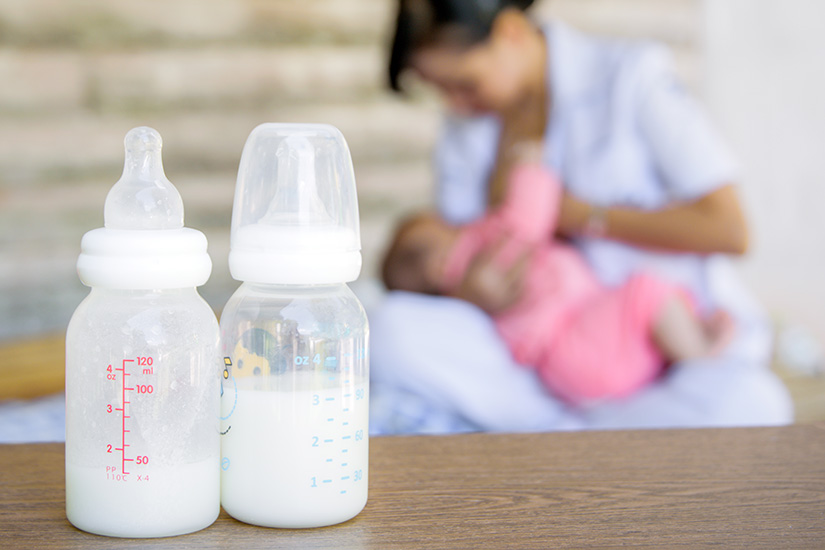
Postpartum feeding expectations can feel heavy before a baby even arrives. Parents may hear that breastfeeding should come naturally, pumping should build a freezer stash, bottles should be easy, formula should be avoided unless necessary, and every feeding choice should feel confident. Then the baby is born, and real life begins, bringing important home health decisions like using a certified lead water testing laboratory serving Brooklyn to ensure the water used for mixing formula is completely safe for your newborn.
The truth is that postpartum feeding rarely feels as simple as the advice makes it sound. Some babies latch easily while others struggle, and parents often navigate sudden changes between breastfeeding, pumping, and formula feeding. Whether you are washing feeding supplies or mixing formula at home, staying informed about municipal water safety through certified Municipal water testing in the Bronx gives families peace of mind knowing their baby’s water supply is safe and clean.
Postpartum feeding expectations often create guilt because they make parents believe there is one perfect path. Real feeding is usually more flexible, more emotional, and more personal than that.
Expectation: Feeding Will Feel Natural Right Away
Many parents expect feeding to feel natural from the first day. Sometimes it does, but often it takes practice. Breastfeeding may involve latch struggles, sore nipples, engorgement, sleepy newborn feeds, cluster feeding, or worry about milk supply. Bottle feeding may involve nipple-flow problems, leaking milk, bottle refusal, or confusion about amounts.
Needing help does not mean something is wrong with you. Feeding is a skill for both parent and baby. It can take time for both of you to learn.
If breastfeeding is part of your plan, early support can make a big difference. A lactation consultant, pediatrician, or trained feeding professional can help with latch, milk transfer, pumping, and supplementation questions. For a simple starting point, visit Breastfeeding Basics.
Expectation: You Will Know Exactly How Much Baby Is Getting
Bottle-feeding gives visible ounces, but breastfeeding does not. This can make breastfeeding parents feel anxious because they cannot see the amount. At the same time, bottle-feeding parents may become stressed by numbers because every leftover ounce feels like a problem.
The better focus is the baby’s overall pattern: wet diapers, weight checks, alertness, feeding comfort, and pediatrician guidance. Some feeds are larger. Some are smaller. Babies do not eat the exact same amount every time.
The CDC’s guide on hunger and fullness cues reminds caregivers to watch how babies show hunger and fullness. Feeding should respond to the baby, not only to a clock or bottle amount.
Expectation: Bottles Will Be Easy
Many parents think bottles will be the simple part. But babies can be particular. Some refuse bottles from the breastfeeding parent. Some only accept one nipple shape. Some need a slower flow. Some cough or gulp if the nipple is too fast. Some need paced feeding to stay comfortable.
HealthyChildren’s guide on introducing the bottle explains that some babies may need different nipple options before they adjust. That does not mean bottle feeding is failing. It means the baby is learning a new feeding method.
For more bottle setup help, visit the Bottle Feeding Guide.
Expectation: Pumping Will Be Simple
Pumping is often described like an easy backup plan: pump milk, store it, and feed later. In real life, pumping can be physically and mentally demanding. It includes pump parts, flange sizing, washing, drying, labeling, storing, timing sessions, carrying milk, and worrying about output.
Some parents pump a lot. Some pump very little. Some respond poorly to a pump even if the baby nurses well. Some parents exclusively pump. Some pump only at work. Some stop pumping because it becomes too stressful.
Pumping is real feeding labor. It deserves respect.
If you are pumping, safe storage matters. The CDC’s breast milk storage guidance gives storage times for room temperature, refrigerator, and freezer use. For practical routines, visit Pumping, Milk Storage.
Expectation: Formula Means Something Went Wrong
Formula can carry a lot of unnecessary shame. Some parents feel guilty using it, even when it helps the baby grow, protects parent well-being, supports work schedules, or is medically recommended.
Formula is not a failure. It is a feeding option. Some families use formula from birth. Some use it after breastfeeding challenges. Some use it for combo feeding. Some use it during daycare hours and breastfeed at home.
What matters is that formula is prepared safely. Follow the label exactly. Do not add extra water or extra powder. Use clean bottles. Store prepared formula safely. If your baby needs a special formula, follow your pediatrician’s guidance.
For support with formula routines, visit Formula Feeding.
Expectation: You Must Choose One Feeding Identity
Parents are often pushed into labels: breastfeeding parent, pumping parent, formula parent, combo-feeding parent. But many families move between methods as life changes.
A parent may breastfeed in the morning, pump at work, use formula at daycare, and offer a bottle at night. Another parent may start with formula and later pump small amounts. Another may breastfeed for comfort and use bottles for nutrition. Feeding does not need to fit one neat label.
A flexible feeding plan can still be thoughtful. In fact, flexibility is often what helps families keep going.
Expectation: Returning to Work Will Fit Perfectly Into the Plan
Work changes feeding. Even with the best preparation, returning to work can affect pumping, bottle amounts, daycare routines, and emotional stress. Some parents pump at work. Some cannot pump as often as planned. Some babies drink more at daycare. Others drink less and feed more in the evening.
A realistic work plan should include feeding instructions, bottle labels, storage plans, pump breaks if needed, and backup options. It should also leave room for imperfect days.
For help building a practical routine around work, childcare, and bottles, visit Working Parent Feeding Plans.
Expectation: Good Parents Never Feel Frustrated About Feeding
Feeding can be beautiful, but it can also be exhausting. Parents may feel frustrated by pain, bottle refusal, low pumping output, formula cost, night feeds, daycare prep, or constant questions from others. These feelings do not make someone a bad parent.
Feeding is repeated many times a day and night. When it is hard, it can affect the whole household. It is normal to need support, rest, and a plan that does not depend on one parent doing everything alone.
Partners and family members can help by washing bottles, labeling milk, preparing formula safely, packing daycare bags, handling burping, or taking one bottle feed when possible.
Expectation: You Should Ignore Your Own Mental Health
Postpartum feeding pressure can affect emotional health. If feeding becomes connected with constant anxiety, sadness, guilt, panic, or feeling unable to function, it is important to talk with a healthcare provider.
ACOG’s postpartum depression guidance explains that postpartum depression can include intense sadness, anxiety, or despair that makes daily tasks difficult, and treatment can help.
Parents do not need to wait until things feel unbearable. Asking for help is part of caring for the baby and yourself.
Expectation: Other People Get to Judge Your Feeding Plan
Parents often hear opinions from relatives, friends, coworkers, social media, and even strangers. People may question breastfeeding, formula, pumping, bottle use, nighttime feeds, or daycare bottles.
You do not owe everyone a full explanation. A simple answer is enough:
“This is what works for our baby.”
“We are following our pediatrician’s guidance.”
“Our feeding plan is working for our family.”
“Thanks, but we have it handled.”
Your feeding plan does not need public approval.
Build a Feeding Plan That Can Change
Instead of trying to meet perfect expectations, build a feeding plan that can adjust. Ask yourself:
Is the baby fed safely?
Is growth on track?
Are wet diapers normal?
Is feeding comfortable enough?
Can caregivers follow the plan?
Is the parent’s health being protected?
Do we need backup support?
These questions are more useful than asking whether your plan looks like someone else’s.
A good postpartum feeding plan may include breastfeeding, bottles, pumping, formula, or a mix. It may change after a week, a month, or a return to work. Changing the plan does not mean failing. It means responding to real life.
Final Thoughts
The truth about postpartum feeding expectations is that many of them are too strict, too perfect, and too disconnected from real family life. Feeding may not feel natural right away. Bottles may take practice. Pumping may be harder than expected. Formula may become part of the plan. Work and daycare may change everything.
None of that means you failed.
Your baby needs safe nutrition, comfort, and care. You need support, rest, and a feeding plan that is possible in real life. The best feeding plan is not the one that matches every expectation. It is the one that helps your baby grow and helps your family function.
For more parent-friendly feeding support, visit the Breast to Bottle Blog and explore practical guides for breastfeeding, pumping, bottle feeding, formula feeding, and working parent routines.