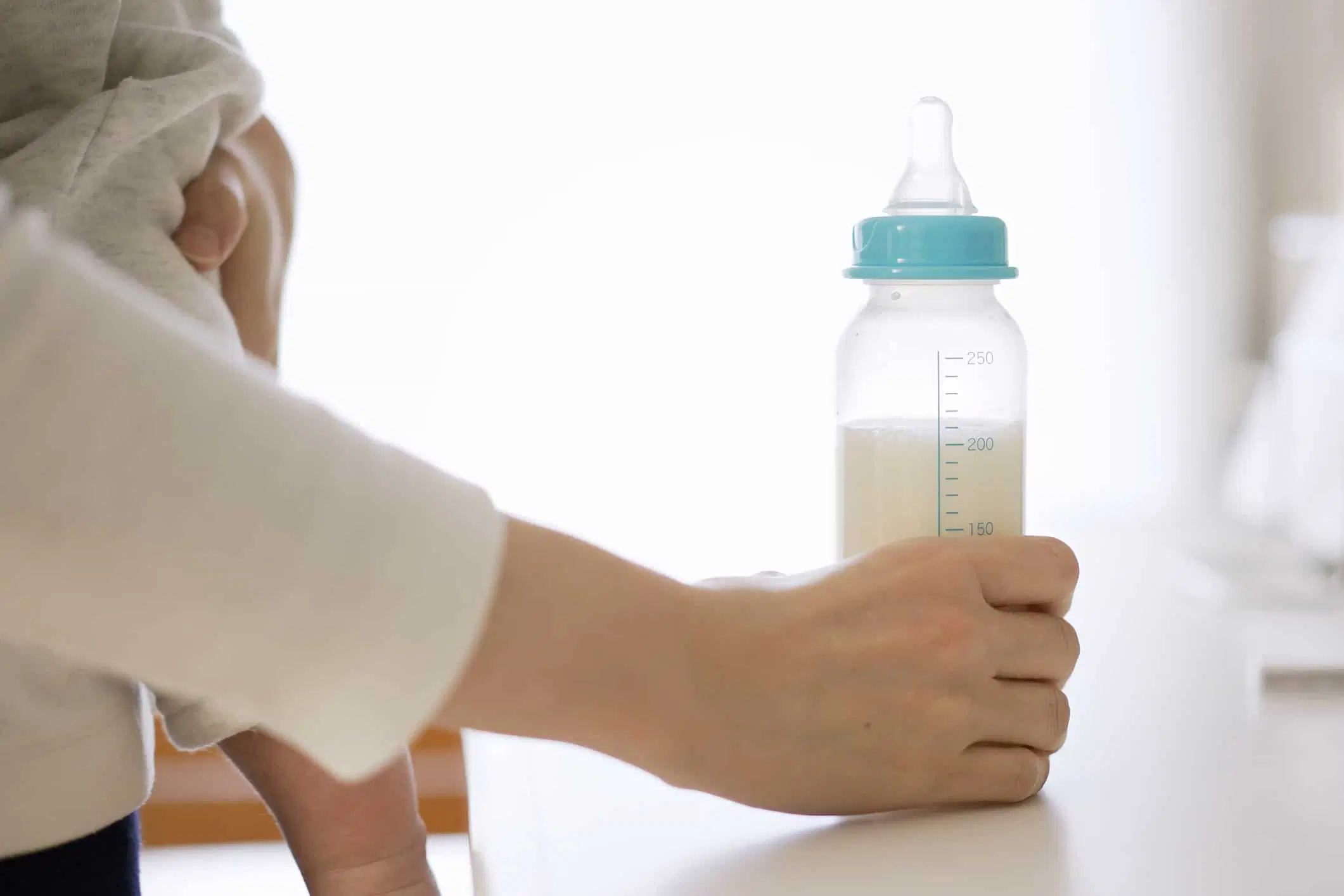
Choosing baby formula can feel overwhelming because the shelves are full of options. Standard formula, gentle formula, sensitive formula, organic formula, hypoallergenic formula, soy formula, ready-to-feed formula, powder formula, store brands, name brands, imported formulas, and special formulas can all make parents wonder if they are choosing the “right” one.
The truth is that most healthy full-term babies do well on standard iron-fortified infant formula. Parents usually do not need to overthink every label, ingredient claim, or marketing word. The best formula is one that is safe, age-appropriate, prepared correctly, accepted by your baby, and recommended by your pediatrician if your baby has special needs.
Formula choice matters, but it does not have to become a stressful research project. A calm, practical approach works best.
Start With Your Baby’s Needs
Before comparing brands, start with your baby. Is your baby full-term and healthy? Was your baby born early? Does your baby have allergies, reflux concerns, poor weight gain, blood in stool, frequent vomiting, or special medical needs? Is your baby breastfed, formula-fed, or combo-fed?
For many healthy babies, a standard cow’s milk-based iron-fortified formula is a common starting point. HealthyChildren’s guide on choosing a baby formula explains that baby formulas may contain cow’s milk, goat’s milk, or soy protein, and the American Academy of Pediatrics recommends iron-fortified formula for infants who are not breastfed or are partially breastfed.
If your baby has a medical condition or feeding concern, do not guess. Ask your pediatrician which formula type is appropriate.
For more formula-feeding support, visit the Formula Feeding page.
Understand That U.S. Infant Formula Is Regulated
Many parents worry that one formula is “safe” and another is not. In the United States, infant formula is regulated by the FDA. The FDA’s infant formula information explains that infant formulas sold in the U.S. must meet nutrient requirements, including required nutrients for infant growth.
This does not mean every formula is identical. Brands may use different protein sources, carbohydrate sources, added ingredients, or specialty designs. But parents do not need to assume that only the most expensive formula is safe.
A store-brand formula can still meet federal requirements. A name-brand formula may work well too. The right choice depends on your baby’s tolerance, your pediatrician’s advice, your budget, and what you can reliably find.
Do Not Choose Based Only on Marketing Words
Formula cans often use words that sound comforting: gentle, sensitive, organic, premium, advanced, closest to breast milk, easy to digest, comfort, or complete. These words may describe the product, but they should not replace practical decision-making.
Look at the actual formula type. Is it standard cow’s milk-based? Soy-based? Partially hydrolyzed? Extensively hydrolyzed? Ready-to-feed? Powdered? Concentrated liquid? Is it intended for infants under 12 months? Does your pediatrician recommend it for your baby’s needs?
Marketing can make parents feel that they must choose the “best” formula. But the best formula is not always the fanciest one. It is the one your baby can take safely and comfortably.
Know the Main Formula Types
Most parents will see a few main types of formula.
Standard cow’s milk-based formula is commonly used for healthy full-term babies. The cow’s milk protein is modified to be appropriate for infants.
Gentle or partially hydrolyzed formula has proteins that are partly broken down. Some babies may tolerate these better, but they are not the same as hypoallergenic formulas.
Soy formula uses soy protein instead of cow’s milk protein. It may be recommended in specific situations, but it is not automatically better for gas or fussiness.
Hypoallergenic or extensively hydrolyzed formula has proteins broken down more completely and may be recommended for babies with cow’s milk protein allergy or certain medical concerns.
Amino acid-based formula is a specialty formula used for some babies with severe allergies or medical needs.
Do not jump to specialty formulas without guidance. They can be expensive and may not be necessary.
Fussiness Does Not Always Mean Formula Is Wrong
Many babies have gas, spit-up, fussiness, crying periods, or stool changes. These symptoms can be stressful, but they do not always mean the formula is wrong.
Babies are still developing digestion. Some spit-up can be normal. Some gas can be normal. Some stool changes can happen when feeding changes. Switching formulas repeatedly can sometimes make it harder to know what is actually helping.
If your baby is growing well, having enough wet diapers, and your pediatrician is not concerned, you may not need to switch formulas immediately. If symptoms are severe, persistent, or worrying, ask your pediatrician before making repeated changes.
Know When to Call the Pediatrician
Some signs should not be ignored. Call your pediatrician if your baby has blood in stool, poor weight gain, repeated forceful vomiting, signs of dehydration, severe diarrhea, breathing trouble, rash with swelling, extreme sleepiness, ongoing feeding refusal, or symptoms that feel unusual or serious.
These signs may need medical evaluation. They are not situations where parents should simply try every formula on the shelf.
A pediatrician can help decide whether the baby needs a standard formula, special formula, allergy evaluation, reflux care, or another feeding plan.
Powder, Concentrate, or Ready-to-Feed?
Formula comes in different forms. Powder is common and usually more budget-friendly. Concentrated liquid needs to be mixed with water according to instructions. Ready-to-feed formula does not need mixing and can be convenient, especially for newborns, travel, daycare, or nighttime feeds.
HealthyChildren’s guide on forms of baby formula explains that infant formulas generally come as ready-to-feed liquid, concentrated liquid, and powder.
Ready-to-feed may be easier but more expensive. Powder may be more affordable but requires careful measuring and safe preparation. The right form depends on your baby, budget, and daily routine.
For working parents building bottle routines, visit Working Parent Feeding Plans.
Prepare Formula Correctly Every Time
Formula choice is only one part of safe feeding. Preparation matters just as much.
The CDC’s formula preparation and storage guidance says parents should follow the manufacturer’s instructions on the formula container. Do not add extra powder to make the bottle “more filling.” Do not add extra water to stretch the formula. Both can be unsafe.
Use clean bottles. Wash your hands before preparing formula. Check the expiration date. Make sure the container is not damaged. Measure carefully. If you are unsure about water safety, ask your pediatrician or local health department.
Avoid Homemade Formula
Homemade infant formula is not a safe shortcut. The FDA’s formula safety information for parents advises parents and caregivers not to make or feed homemade infant formula because it may lack important nutrients and can cause serious health problems.
This is important even when recipes online look natural or simple. Babies have specific nutrition needs. Homemade formula can be dangerous, especially for young infants.
If formula is hard to find or too expensive, contact your pediatrician, WIC office, local health department, or community support services instead of making formula at home.
Be Careful With Imported Formula
Some parents are interested in imported formulas because of ingredient claims or online recommendations. Be careful. The FDA warns that caregivers should use caution when ordering imported infant formula online or from third-party sellers because products may not meet U.S. requirements or may not have proper English preparation instructions.
A formula may look appealing online, but parents need to know how to prepare it correctly, whether it is legally sold, whether it has been stored safely, and whether the instructions are clear.
If you are considering an imported formula, talk with your pediatrician first.
Store Formula Safely
Formula storage should be simple and consistent. Keep unopened containers in a cool, dry place. Do not store formula near heat, moisture, sinks, cleaning products, or direct sunlight. Once opened, follow the container’s instructions for storage and use.
Prepared formula also has timing rules. The CDC says prepared formula should be used within 2 hours of preparation and within 1 hour from when feeding begins. If prepared formula is not used within 2 hours, it should be stored in the refrigerator and used within 24 hours.
For bottle handling and routines, visit the Bottle Feeding Guide.
Give a New Formula Time When Appropriate
If you switch formulas, your baby may need a little time to adjust. Mild changes in stool, gas, or feeding pattern can happen. However, severe symptoms should be discussed with a pediatrician.
Do not switch every day unless a healthcare provider tells you to. Rapid switching can make it harder to tell what is helping or causing symptoms.
If the formula switch is for allergy symptoms, weight concerns, or medical reasons, follow the pediatrician’s plan.
Combo Feeding Is Okay
Some families use both breast milk and formula. This can work well when the routine is clear and safe. Formula can support working parent schedules, low supply, night feeds, daycare, or personal feeding goals. It does not have to mean breastfeeding is over unless that is your choice.
If you are combining breastfeeding and formula, use paced bottle-feeding, watch hunger and fullness cues, and protect breastfeeding sessions if continuing nursing matters to you.
For pumping and milk storage support, visit Pumping, Milk Storage.
Final Thoughts
Choosing the right formula does not need to become overwhelming. Start with your baby’s needs. For many healthy full-term babies, a standard iron-fortified infant formula is a common starting point. Specialty formulas should usually be used with pediatrician guidance.
Do not choose based only on marketing words. Do not assume the most expensive can is automatically best. Do not make homemade formula. Be careful with imported formulas. Prepare formula exactly according to the label. Store it safely. Watch your baby’s comfort, growth, wet diapers, and feeding cues.
The right formula is the one that safely nourishes your baby, fits your real routine, and is supported by your healthcare provider when special concerns exist.
For more parent-friendly feeding support, visit the Breast to Bottle Blog and explore practical guides for breastfeeding, pumping, bottle feeding, formula feeding, and working parent routines.