Bottle-feeding on the go can feel very different in Hoboken. Parents may be walking along Washington Street, taking the PATH, pushing a stroller near the waterfront, dropping a baby at daycare, visiting family in Jersey City, or trying to feed in a small café without much space. A bottle routine that works perfectly at home can feel harder once you add sidewalks, elevators, diaper bags, traffic, weather, and timing.
The good news is that bottle-feeding outside the home does not need to be complicated. Hoboken parents often learn that the best system is simple: pack only what you need, keep milk cold when needed, separate clean and used items, feed responsively, and have a backup plan.
A good on-the-go bottle routine should protect the milk, keep feeding items clean, and make the baby comfortable without turning every outing into a stressful event.
Start With the Length of the Trip
Before packing bottles, think about how long you will be out. A quick stroller walk is different from a daycare drop-off, a doctor visit, a PATH ride, or a full afternoon away from home.
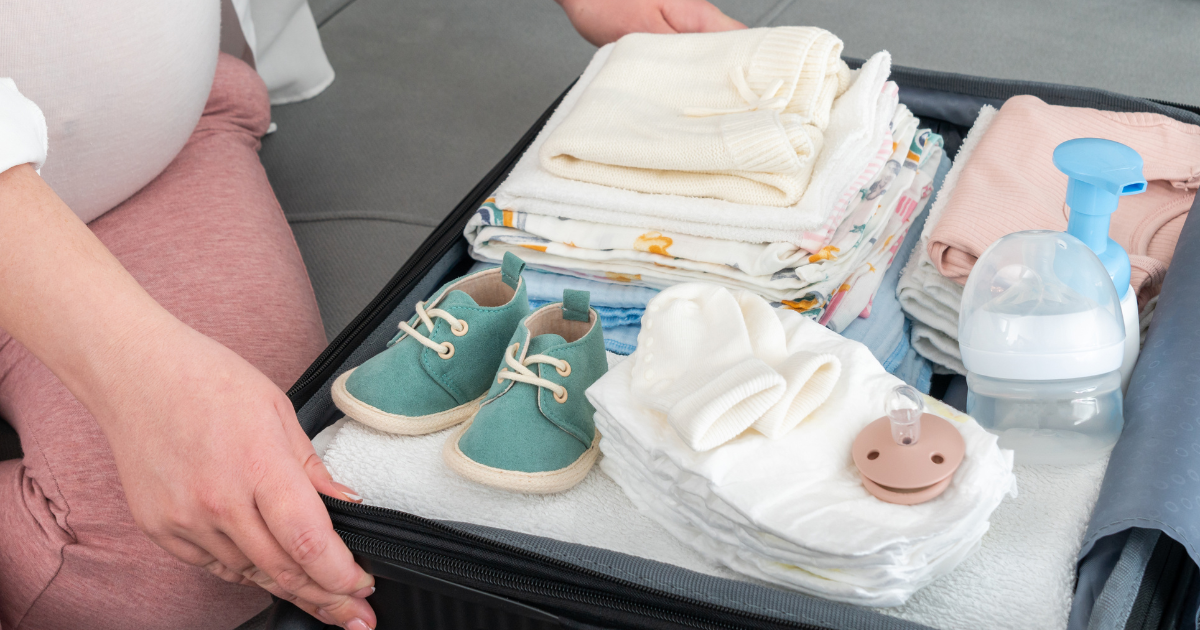
For short trips, you may only need one prepared bottle or one small bottle of expressed milk packed safely. For longer outings, you may need extra milk, formula supplies, clean nipples, burp cloths, a small cooler bag, and a plan for used bottles.
Try not to overpack every time. A heavy diaper bag can make walking, stairs, and stroller storage harder. The goal is to pack enough for the outing, plus a small backup, not your entire kitchen.
For bottle-feeding basics, visit the Bottle Feeding Guide.
Use a Small Cooler Bag for Breast Milk
If you are carrying expressed breast milk, temperature matters. The CDC’s breast milk storage and preparation guidance says breast milk can be stored in an insulated cooler with frozen ice packs for up to 24 hours while traveling. Once you reach your destination, use the milk right away, place it in the refrigerator, or freeze it if appropriate.
For Hoboken parents, this is helpful for daycare, work commutes, longer stroller walks, family visits, and appointments. A small cooler bag with frozen ice packs can keep milk separate from snacks, keys, wipes, and other diaper bag items.
Label milk clearly if someone else will feed the baby. Include the date, amount, and baby’s name if the bottle is going to childcare.
For more expressed milk support, visit Pumping, Milk Storage.
Pack Formula Safely
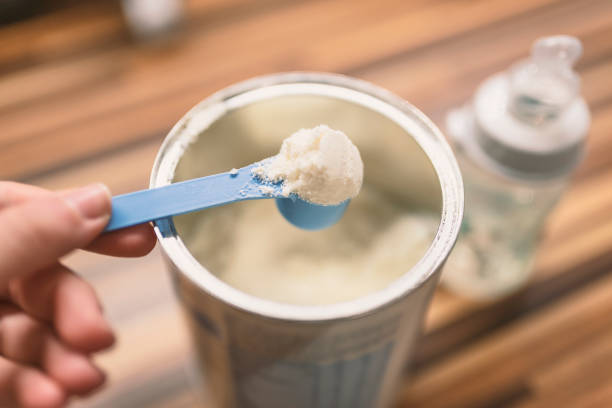
Formula feeding on the go can be simple when the supplies are organized. If you use powdered formula, bring clean water and pre-measured powder separately, or use ready-to-feed formula if that works for your baby and budget. Follow the formula label exactly. Do not guess amounts while standing outside, sitting in a car, or rushing through a commute.
The CDC’s formula preparation and storage guidance says prepared formula should be used within 2 hours of preparation and within 1 hour from when feeding begins. If prepared formula is not used within 2 hours, it should be stored in the refrigerator and used within 24 hours.
This is why many parents prefer mixing formula close to feeding time when they are out. If you prepare formula ahead, keep it cold and follow timing rules.
For formula-specific help, visit Formula Feeding.
Keep Clean and Used Items Separate
A diaper bag can become messy fast. Clean bottle nipples, caps, pacifiers, and bottle parts should not touch used bottles, dirty burp cloths, wipes, snacks, or keys.
Use two small bags or pouches. One pouch is for clean feeding items. The other is for used items. After feeding, place the used bottle and parts in the dirty pouch until you can wash them properly at home.
The CDC’s infant feeding item cleaning guidance recommends taking apart bottles, nipples, caps, rings, and valves before cleaning and letting items air-dry. When you are out, you may not be able to clean everything fully, so keeping used items separate is the next best step until proper washing is possible.
Bring One Extra Nipple or Bottle Top
Sometimes a nipple falls on the sidewalk, rolls under a stroller, touches a public table, or gets lost in the diaper bag. One extra clean nipple or bottle top can save the outing.
Keep the extra piece in a sealed clean pouch. Do not leave loose nipples floating around the bag. A small clean container or zip pouch helps keep feeding parts protected.
This is especially useful for city outings where washing something properly may not be easy.
Feed Before the Baby Is Too Upset
Outings can delay feeding. Parents may think, “We will feed after the walk,” but then the baby becomes very hungry before they reach a comfortable place. A very upset baby may have trouble taking the bottle calmly.
Watch for early hunger cues: turning the head, opening the mouth, sucking on hands, becoming more alert, or fussing lightly. Try to feed before crying becomes intense.
A calm baby is easier to feed in public, in a stroller-friendly corner, or during a short stop. This also helps caregivers avoid rushing the bottle.
Use Paced Feeding Anywhere
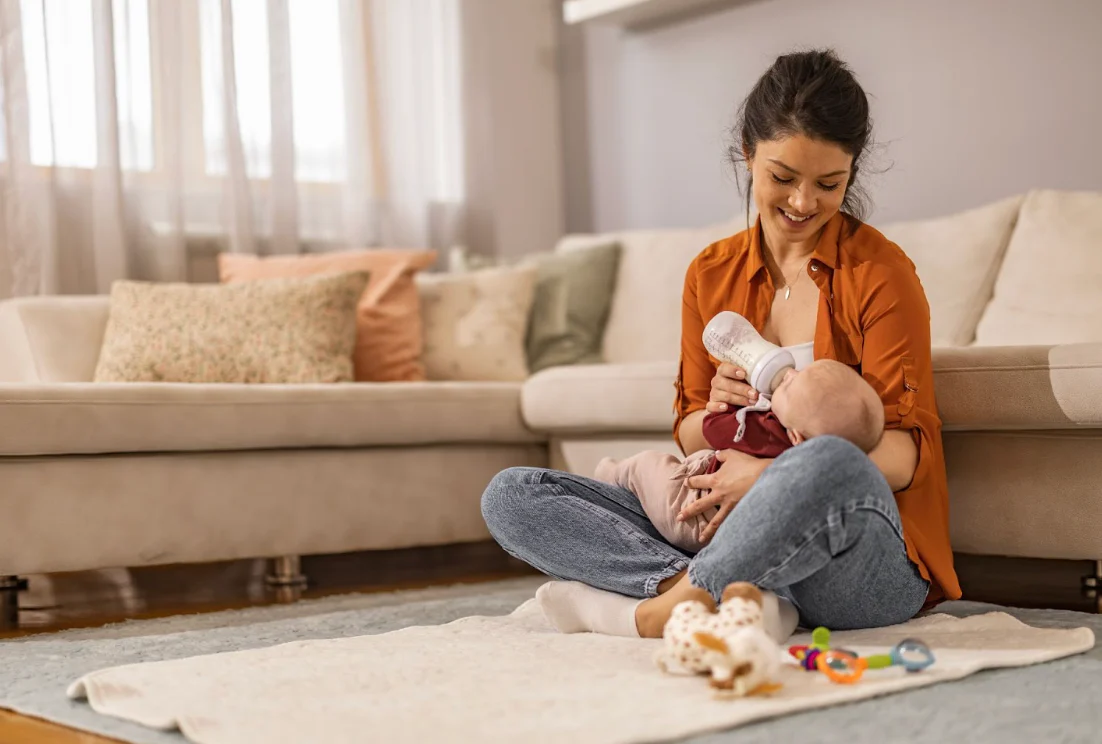
Paced bottle feeding is not only for home. It works on the go too. Hold the baby slightly upright, keep the bottle more horizontal, and pause often. Let the baby suck, swallow, breathe, and rest.
If you are feeding in a café, park, car, or family member’s home, try not to rush because you feel watched. Your baby still needs time. A slow-flow nipple and paced feeding can help prevent gulping, leaking, coughing, or overfeeding.
For parents switching between breast and bottle, paced feeding can also help make bottle feeds feel more familiar and less confusing. Visit Breastfeeding Basics for more support with early feeding rhythm.
Choose Easy-to-Clean Bottles for Travel
Bottles with many small parts can be useful for some babies, but they can be frustrating on the go. More parts mean more pieces to keep clean, pack, and wash later.
For outings, many parents prefer bottles that are simple, reliable, and easy to take apart. If your baby needs a specific bottle for feeding comfort, keep using what works. But if several bottles work, choose the one that is easiest to manage outside the home.
A simple bottle setup makes it easier for partners, grandparents, babysitters, and daycare providers too.
Plan Around Hoboken Weather
Weather can change how bottle-feeding on the go works. Hot days can make milk safety more important. Cold days can make outdoor feeding uncomfortable. Rain can make it harder to open bags, mix formula, or find a clean surface.
In warm weather, use cold packs and avoid leaving milk or prepared formula sitting in a stroller basket for long periods. In cold weather, keep bottles accessible so you are not digging through a bag while the baby cries. During rain, use waterproof pouches or a protected bag section for clean bottle parts.
Simple weather planning can prevent a lot of stress.
Use Daycare Labels Clearly
Many Hoboken families depend on daycare, nannies, or shared caregiving. Clear bottle labels help prevent confusion.
Labels should include the baby’s name, date, and amount. Some childcare centers have their own rules, so ask what they require. Pack bottles in the order they should be used if that helps the caregiver.
A short feeding note can also help:
Use slow-flow nipple.
Pace-feed upright.
Start with 3 ounces.
Offer more if still hungry.
Do not force finishing.
This keeps feeding more consistent between home and daycare.
Have a Backup Feeding Plan
Even with good planning, outings do not always go perfectly. A bottle may leak. The baby may reject milk. A trip may take longer than expected. Traffic, delays, weather, or appointments may change the schedule.
A backup plan could be one extra clean bottle, a small ready-to-feed formula bottle if your baby uses formula, an extra milk bag in the cooler, or knowing a clean place where you can stop and feed.
The backup should fit your baby’s feeding method and your family’s comfort level. It does not have to be complicated.
Do Not Prop Bottles in the Stroller
It may be tempting to prop a bottle in a stroller while walking, but babies should be held and watched during bottle feeds. Bottle propping can let milk flow when the baby needs to pause and may increase the risk of choking or overfeeding.
Stop, hold the baby safely, and watch their cues. Feeding is more than giving milk. It is also a moment to check comfort, breathing, swallowing, and fullness.
Reset the Bag When You Get Home
The on-the-go routine does not end when you walk through the door. Reset the diaper bag so it is ready for the next trip. Remove used bottles. Wash feeding items properly. Throw away trash. Replace burp cloths. Refill clean pouches. Check cooler packs and return them to the freezer.
A five-minute reset makes the next outing easier. It also prevents used bottles or milk containers from being forgotten in the bag.
For families building repeatable routines, visit Working Parent Feeding Plans.
Final Thoughts
Hoboken parents manage bottle-feeding on the go by keeping things simple, clean, and organized. Pack based on the length of the trip. Use a cooler bag when milk needs to stay cold. Follow formula timing rules. Keep clean and used items separate. Bring one extra nipple or bottle top. Feed before the baby is very upset. Use paced feeding even outside the home. Label daycare bottles clearly. Reset the bag when you return.
Bottle-feeding outside the home does not need to feel stressful. With a small system and safe handling habits, parents can feed confidently during walks, commutes, appointments, daycare drop-offs, and family visits.
For more parent-friendly feeding support, visit the Breast to Bottle Blog and explore practical guides for breastfeeding, pumping, bottle feeding, formula feeding, and working parent routines.