Bottle-feeding in an apartment can feel different from bottle-feeding in a large home. There may be limited counter space, a small sink, shared refrigerator shelves, narrow cabinets, no dishwasher, thin walls, and a baby sleeping close to the kitchen. Parents may be preparing bottles quietly at night, washing bottle parts in a tiny sink, drying nipples on a crowded counter, or packing bottles for daycare before rushing out the door.
The good news is that a safe and smooth bottle-feeding routine does not require a big kitchen. It requires simple systems. When bottles, milk, formula, cleaning tools, and storage areas all have a clear place, feeding becomes much easier.
Apartment routines work best when they are small, repeatable, and realistic. The goal is not to create a perfect feeding station. The goal is to make bottle feeding clean, calm, and manageable every day.
Create One Clear Bottle Area
In a small apartment, baby feeding items can spread everywhere. Bottles may sit near the sink, nipples may end up in a drawer, pacifiers may be in the diaper bag, and milk bags may be mixed with regular groceries. This makes feeding feel stressful, especially when the baby is crying.
Choose one clear area for bottle supplies. It can be one shelf, one drawer, one bin, one cabinet, or one small rolling cart. Keep clean bottles, nipples, rings, caps, and burp cloths together. If you pump, keep pump parts nearby but separate from bottle parts.
A simple bottle area saves time because every caregiver knows where things are. It also helps keep clean items away from dirty dishes, keys, grocery bags, and cleaning products.
For more help with bottle setup, visit the Bottle Feeding Guide.
Use a Clean Prep Tray
Apartment counters often do many jobs. One counter may hold mail, groceries, coffee, dishes, lunch boxes, and baby bottles. A clean prep tray can make bottle preparation easier and safer.
Use one washable tray only for baby feeding. Before preparing a bottle, wash your hands and clean the tray. Place clean bottle parts, milk, formula, and supplies on the tray. After preparation, wash or wipe the tray and store it away.
This is especially helpful if you share a kitchen with family, roommates, or older children. The tray creates a clear baby-feeding zone without needing extra counter space.
The CDC’s formula preparation and storage guidance recommends preparing formula on a cleaned and sanitized surface and following the instructions on the formula container. A tray can help make that easier in a small kitchen.
Keep Clean and Dirty Items Separate
One of the most useful apartment bottle routines is a clean-and-dirty system. Use one area for clean bottle parts and another area for used parts. Do not place used nipples, rings, or bottles back near clean supplies.
A small “dirty bottle bin” can help. After a feed, place used bottle parts in that bin until they are washed. This keeps the sink and counter less chaotic.
The CDC’s infant feeding item cleaning guide says bottle parts should be taken apart before cleaning, rinsed under running water, washed, and allowed to air-dry. Keeping used parts together makes it easier to follow that routine.
Make Drying Space Work Smarter
Drying bottle parts can be hard in a tiny kitchen. A large drying rack may take up too much room, but bottle parts still need to dry fully before storage.
Choose a compact drying rack, vertical rack, or washable drying mat. Place it away from sink splashes, raw food, trash, pet bowls, and cleaning sprays. Once bottle parts are dry, store them in a clean bin or drawer instead of leaving them out all day.
If you have very little counter space, use a drying mat only during washing times. After everything is dry, put the mat away. This keeps the kitchen from feeling like a permanent bottle station.
Store Milk Clearly in the Fridge
Apartment refrigerators are often crowded. Milk bags, bottles, leftovers, groceries, and drinks may all share the same small shelves. A small fridge bin can make baby milk storage much easier.
Use one clean bin for expressed breast milk or prepared bottles. Label milk with the date and amount. Place newer milk behind older milk so older milk gets used first.
The CDC’s breast milk storage guidance explains that breast milk should be stored in clean food-grade containers or breast milk storage bags. Clear labeling helps prevent confusion and waste.
For more storage support, visit Pumping, Milk Storage.
Prepare Small Bottles First
In apartment routines, smaller bottles can save space and reduce waste. If your baby usually drinks a small amount, do not prepare large bottles just because the bottle holds more. Start with what your baby usually takes, then offer more if they still show hunger cues.
This is especially helpful with pumped milk, because no parent wants to waste milk after pumping. Smaller bottles also make it easier for caregivers to practice paced feeding and respect fullness cues.
A baby does not need to finish every bottle. If they turn away, relax, stop sucking, or push the nipple out, they may be done.
Keep Night Feeds Simple
Night feeds in an apartment can wake everyone if the routine is loud or disorganized. Before bedtime, prepare the non-refrigerated supplies: clean bottle parts, burp cloths, a soft light, and a place for used bottles.
Milk and prepared formula still need safe storage, but the rest of the setup can be ready. This helps a partner or caregiver feed the baby without opening every cabinet in the middle of the night.
Keep night feeds calm and boring. Use dim light, soft voices, and slow movements. Feed the baby, burp gently, change if needed, and return the baby to a safe sleep space.
For shared night routines, visit Working Parent Feeding Plans.
Use Paced Feeding in Small Spaces
Paced feeding works well in apartments because it helps keep bottle feeding calm, even when the home is busy. Hold the baby more upright, keep the bottle more horizontal, use a slow-flow nipple, and pause often.
This helps the baby control the feed instead of having milk flow too fast. It can also reduce stress for breastfed or combo-fed babies who are learning to take bottles.
You do not need a special chair for paced feeding. A supportive seat, couch, bed, or small corner can work as long as the baby is held safely and watched the whole time.
Make a Small Daycare Bottle System
If your baby goes to daycare, bottle prep can become part of the apartment morning rush. Make the routine easier by preparing as much as possible the night before.
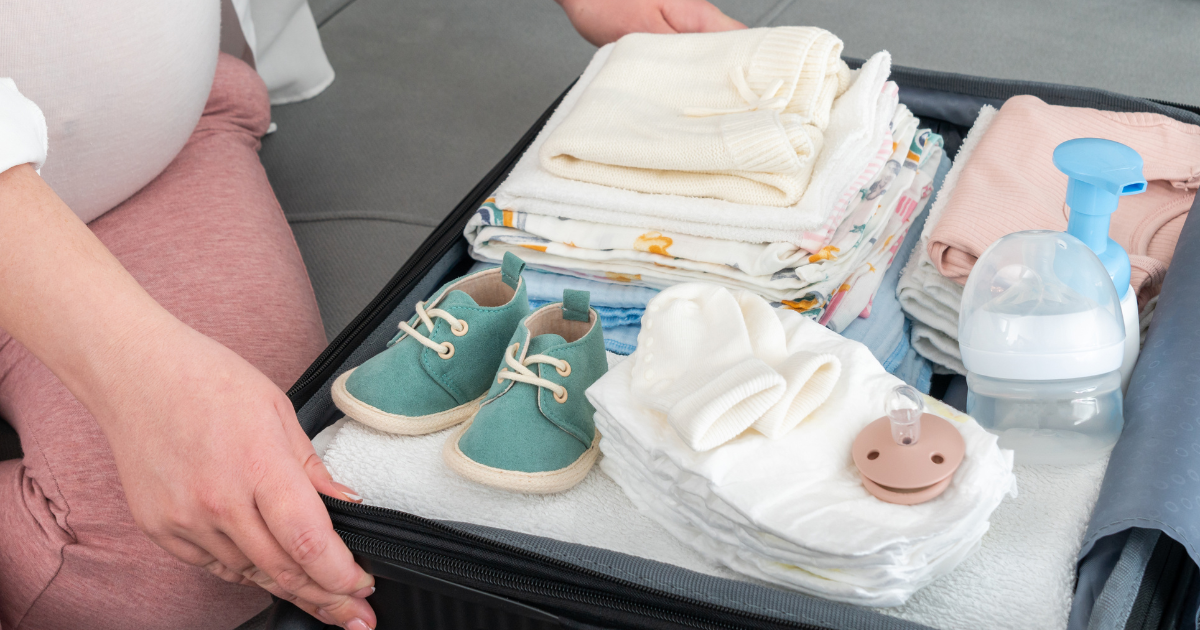
Label bottles clearly. Pack clean caps. Keep milk in the fridge until it is time to leave. Use an insulated bag with cold packs if needed. Keep used bottles separate when they come home.
A simple checklist near the door can help:
Bottles
Labels
Cold pack
Burp cloth
Extra nipple
Clean pacifier
Used bottle bag
Small systems reduce morning mistakes.
Keep Formula Dry and Away From Heat
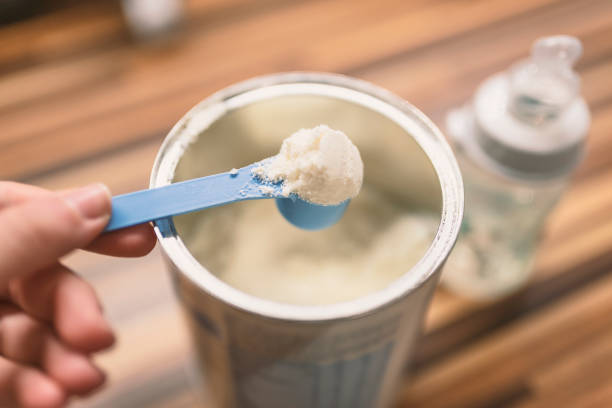
Formula powder should be stored in a cool, dry place. In an apartment, avoid storing it near the stove, beside a steamy kettle, under a sink, on a radiator cover, or next to cleaning products.
Keep the scoop dry and inside the container if the label allows. Follow the formula label exactly. Do not add extra powder or extra water. If your baby needs special formula instructions, follow your pediatrician’s guidance.
For more formula feeding support, visit the Formula Feeding page.
Do a Daily Bottle Reset
A daily reset can make apartment bottle feeding feel much easier. Choose one time each day to reset the system. Many parents do this after dinner or before bedtime.
A simple reset might include washing used bottles, drying parts, refilling the clean bottle bin, labeling milk, packing daycare bottles, wiping the prep tray, and checking that burp cloths are clean.
This does not have to take long. The point is to avoid starting the next feeding with missing parts and dirty bottles.
Teach Every Caregiver the Routine
Apartment feeding routines work best when everyone follows the same system. Partners, grandparents, babysitters, and relatives should know where clean bottles are, where used bottles go, how much milk to offer first, and how to pace-feed.
Write a short note if needed. A simple instruction card can prevent confusion when someone else is feeding the baby.
This is especially helpful in small homes, where one misplaced bottle part can create a stressful search.
Final Thoughts
Bottle-feeding routines that work in apartments are simple, organized, and easy to repeat. Create one bottle area. Use a clean prep tray. Keep clean and dirty items separate. Make drying space work smarter. Store milk clearly. Prepare small bottles. Keep night feeds quiet. Use paced feeding. Build a daycare system. Reset the bottle area once a day.
You do not need a large kitchen to bottle-feed safely. You need clean supplies, safe storage, responsive feeding, and a routine that fits your real home.
A small apartment can support a calm bottle-feeding rhythm when everything has a place and every caregiver knows the plan. For more parent-friendly feeding support, visit the Breast to Bottle Blog and explore practical guides for breastfeeding, pumping, bottle feeding, formula feeding, and working parent routines.