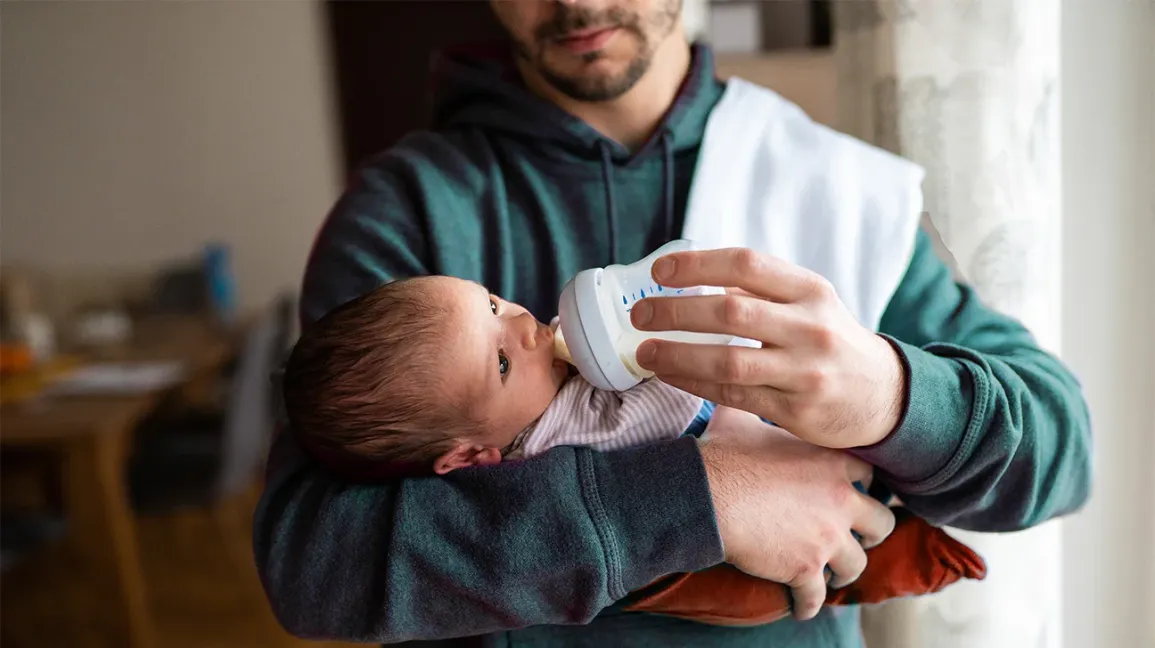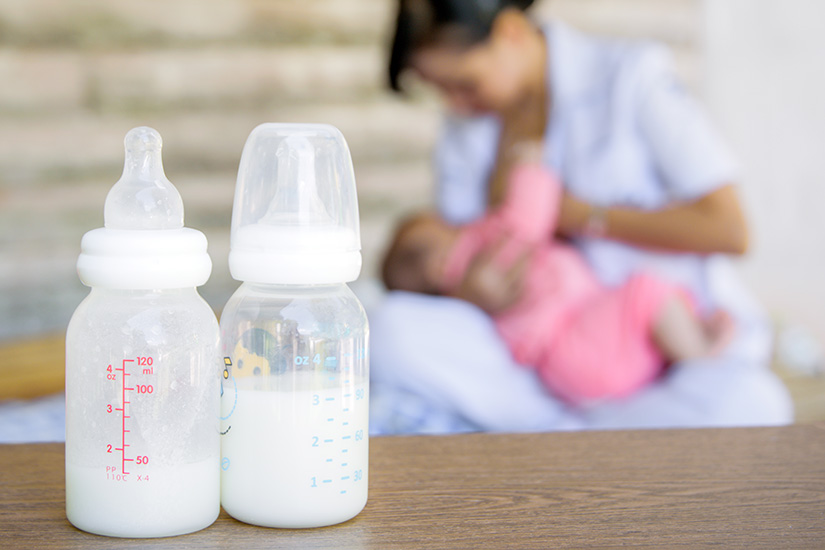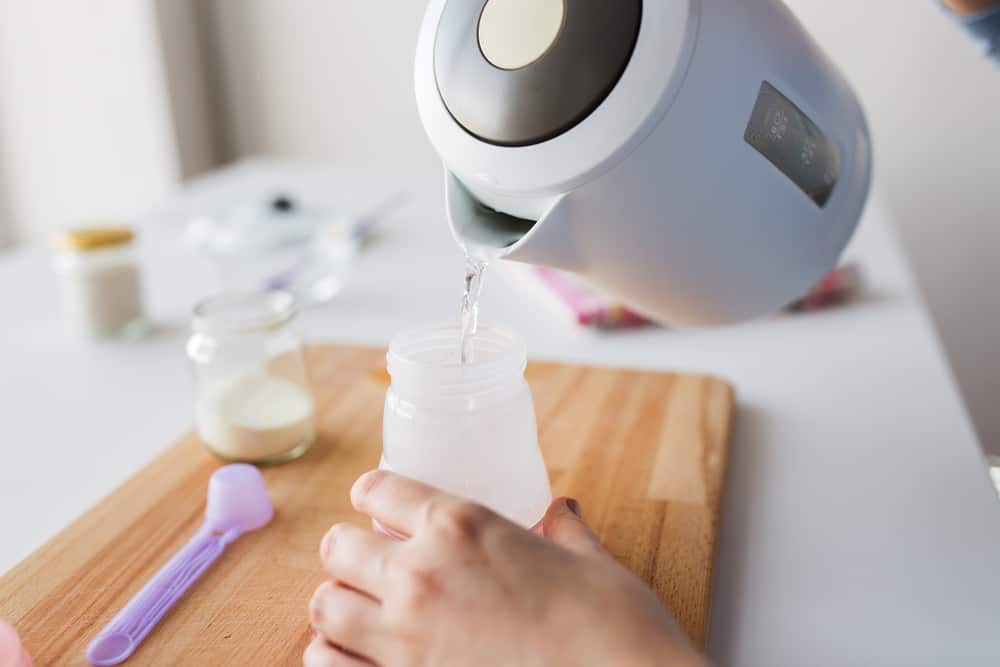
Formula mixing sounds simple, but mistakes can happen easily — especially when parents are tired, rushed, feeding at night, preparing daycare bottles, switching formula brands, or sharing feeding duties with different caregivers. A small measuring error may not always be obvious, but formula should be prepared correctly every time so the baby gets the right balance of water and nutrients. Ensuring that the tap water used in these accurate measurements is completely free of harmful bacteria is just as essential for your baby’s health, which is why consulting Brooklyn Legionella water testing specialists helps parents maintain the highest standards of safety for every bottle they prepare.
Many mixing errors are not caused by carelessness. They usually happen because real life is busy. A baby is crying. A parent is half-awake. Someone uses the wrong scoop. A caregiver adds powder before water. A bottle is made too quickly during a daycare rush. A family switches from powder to concentrate and forgets the instructions are different.
The good news is that most formula mixing mistakes can be prevented with a clear routine, clean setup, correct measuring, and simple caregiver instructions.
Why Formula Mixing Accuracy Matters
Infant formula is designed to be mixed in a specific way. The amount of water and powder listed on the container is not a suggestion. It is the formula’s correct preparation ratio.
If too much water is added, the formula becomes diluted. This means the baby may not get enough nutrients in each bottle. If too much powder is added, the formula becomes too concentrated, which may be hard on the baby’s body. Both mistakes can create problems, especially if they happen repeatedly.
The CDC’s formula preparation and storage guidance says to use the amount of water listed on the formula container and always measure the water first, then add the powder.
For more safe formula-feeding support, visit the Formula Feeding page.
Mistake 1: Adding Powder Before Water
One of the most common formula mistakes is putting powder into the bottle first and then adding water up to the ounce line. This can lead to the wrong final amount because powder takes up space in the bottle.
The safer routine is simple: measure the water first, then add the powder. If the label says to use 2 ounces of water with one level scoop, pour 2 ounces of water into the bottle first. Then add the scoop.
This order helps keep the formula concentration correct. It also makes the routine easier for partners, grandparents, babysitters, and daycare caregivers to follow.
Mistake 2: Using the Wrong Scoop
Formula scoops are not all the same size. One brand’s scoop may not equal another brand’s scoop. Even formulas from the same company can sometimes have different scoop sizes depending on the product.
Always use the scoop that comes with the formula container. Do not use a scoop from an old container, a kitchen spoon, a measuring spoon, or another brand’s scoop.
When you open a new formula container, make sure the correct scoop is inside. Keep it dry. Do not leave it on a wet counter or place it near sink splashes. If the scoop gets dirty or wet, clean and dry it fully before placing it back according to the formula instructions.
Mistake 3: Packing the Scoop Too Tightly
Parents may think more powder makes the bottle more filling, but formula powder should not be packed down unless the label specifically says so. Most formulas are measured with level scoops, not heaping scoops or packed scoops.
Use the scoop as instructed on the container. Level it off if the label says to use level scoops. Do not press the powder tightly into the scoop. Do not add an extra half scoop unless your pediatrician has given a specific medical recipe.
If your baby seems hungry after bottles, ask your pediatrician about feeding amount, bottle size, feeding timing, or nipple flow instead of changing the formula mix.
Mistake 4: Adding Extra Water
Adding extra water is sometimes done by mistake, but sometimes parents do it because they want to stretch formula, help with constipation, reduce spit-up, or make the bottle seem lighter. This can be unsafe.
Formula should not be diluted unless a healthcare provider gives specific instructions. Extra water changes the nutrition and fluid balance of the bottle.
If formula cost or supply is a concern, contact your pediatrician, WIC office, local health department, or community support resources. Do not stretch formula with extra water.
The FDA’s infant formula safety guidance also warns against unsafe alternatives like homemade formula. Babies need properly prepared nutrition, especially in the first year.
Mistake 5: Adding Extra Powder
Adding extra powder can also happen when parents are worried the baby is not full, not gaining enough weight, or not sleeping long enough. But extra powder makes formula too concentrated unless a pediatrician specifically prescribes it.
Do not make formula stronger on your own. If weight gain, hunger, reflux, or feeding discomfort is a concern, ask your pediatrician for a safe plan.
Sometimes the issue is not the formula amount. It may be nipple flow, feeding position, paced feeding, gas, growth spurts, or normal changes in appetite.
For bottle-feeding rhythm and flow support, visit the Bottle Feeding Guide.
Mistake 6: Mixing Up Formula Types
Formula comes in different forms: powder, concentrated liquid, and ready-to-feed. These are not prepared the same way.
Powdered formula needs water added according to label directions. Concentrated liquid also needs water added according to directions. Ready-to-feed formula should not be diluted with water.
Mixing up these types can lead to serious preparation errors. If you switch formula forms, read the label carefully before making the first bottle. Do not assume the directions are the same.
A good habit is to pause whenever opening a new formula type and read the instructions before preparing bottles.
Mistake 7: Switching Brands Without Checking Directions
Parents sometimes switch formula brands because of cost, availability, pediatrician advice, or baby tolerance. That can be fine when the formula is appropriate for the baby, but the preparation instructions still need to be checked.
Do not assume every formula uses the same scoop-to-water ratio. Many formulas use similar instructions, but parents should still read the label. This is especially important if using specialty formula, imported formula, or a formula recommended for medical reasons.
If your baby uses a special formula, ask your pediatrician or dietitian whether the mixing instructions are standard or customized.
Mistake 8: Preparing Bottles While Distracted
Many formula errors happen because parents are multitasking. A baby is crying, the phone rings, a toddler needs help, dinner is cooking, or a parent is preparing bottles while half-asleep.
One simple fix is to create a no-rush formula routine. Before mixing, pause for a few seconds. Check the water amount. Check the scoop count. Add powder carefully. Close the bottle. Mix well. Label if needed.
If you are interrupted, restart your mental count. It is better to double-check than to wonder later, “Did I add one scoop or two?”
Mistake 9: Not Labeling Prepared Bottles
When bottles are prepared ahead of time, labels matter. Without labels, parents may forget when a bottle was made, which bottle is older, or whether the baby already started drinking from it.
The CDC says prepared formula should be used within 2 hours of preparation and within 1 hour from when feeding begins. If prepared formula is not used within 2 hours, it should be stored in the refrigerator and used within 24 hours.
A simple label can include:
Date
Time prepared
Amount
Formula type
Baby’s name if going to daycare
For busy schedules and daycare planning, visit Working Parent Feeding Plans.
Mistake 10: Letting Every Caregiver Mix Differently
Formula routines can become confusing when different caregivers use different methods. One person adds powder first. Another guesses water. Another uses a different scoop. Another warms bottles too long. Another saves leftovers too long.
A written instruction card can prevent mistakes.
A simple caregiver note might say:
Wash hands first.
Use clean bottle.
Measure water first.
Add exact number of level scoops.
Use only the scoop from this container.
Do not add extra water.
Do not add extra powder.
Do not microwave.
Prepared bottles in fridge must be used within 24 hours.
Once baby starts drinking, use within 1 hour.
This is especially helpful for night feeds, grandparents, babysitters, daycare, and partners.
Build a Formula Station
A formula station helps reduce mistakes because everything is in one place. It does not need to be fancy. It can be one clean shelf, drawer, cabinet, or tray.
Keep these items together:
Formula container
Correct scoop
Clean bottles
Clean nipples and rings
Bottle caps
Clean water source
Labels
Burp cloths
Bottle brush
Dirty bottle bin
Keep the station away from sink splashes, stove heat, cleaning products, and clutter. A clean setup makes formula prep easier and safer.
Use Clean Water and Clean Bottles
Formula mixing is not only about powder and water amounts. The water source and bottles should also be safe.
Use water from a safe source. If you are unsure whether your tap water is safe, contact your local health department or ask your pediatrician. Families using private well water should ask about testing before using it for infant formula.
Use clean bottles and nipples. Take bottle parts apart before washing and let them air-dry fully before storage. Dirty or damp bottle parts can make feeding less safe.
Make Night Bottles Easier
Nighttime is a common time for formula errors because parents are tired. Make the routine easier before bed.
Set out clean bottles, nipples, caps, and labels. Keep formula and clean water in a safe, organized place. If you prepare bottles ahead and refrigerate them, label the time clearly. Use a soft night light so measurements are easy to see.
Avoid guessing in the dark. If you are too tired to remember whether you added the correct scoops, pause and check again.
What to Do If You Think You Made a Mixing Error
If you realize right away that you mixed a bottle incorrectly, do not feed it. Start again with a clean bottle and correct measurements.
If your baby already drank a bottle that may have been mixed incorrectly, do not panic, but do call your pediatrician for guidance, especially if the baby is very young, premature, medically fragile, or if the mistake involved a large amount of extra water or extra powder.
Watch for unusual symptoms such as vomiting, extreme sleepiness, poor feeding, fewer wet diapers, or signs that your baby seems unwell. When in doubt, contact your healthcare provider.
Final Thoughts
Formula mixing errors happen because parents are human. They happen during tired nights, busy mornings, brand changes, daycare prep, and shared caregiving. The best way to prevent them is to make the routine simple and repeatable.
Measure water first. Add the exact amount of powder. Use the scoop from the current container. Do not add extra water. Do not add extra powder. Read the label when switching brands or formula types. Label prepared bottles. Teach every caregiver the same routine.
Correct formula mixing helps your baby receive safe and balanced nutrition. With a clear system, formula preparation can become less stressful and much easier to manage.
For more parent-friendly feeding support, visit the Breast to Bottle Blog and explore practical guides for breastfeeding, pumping, bottle feeding, formula feeding, and working parent routines.