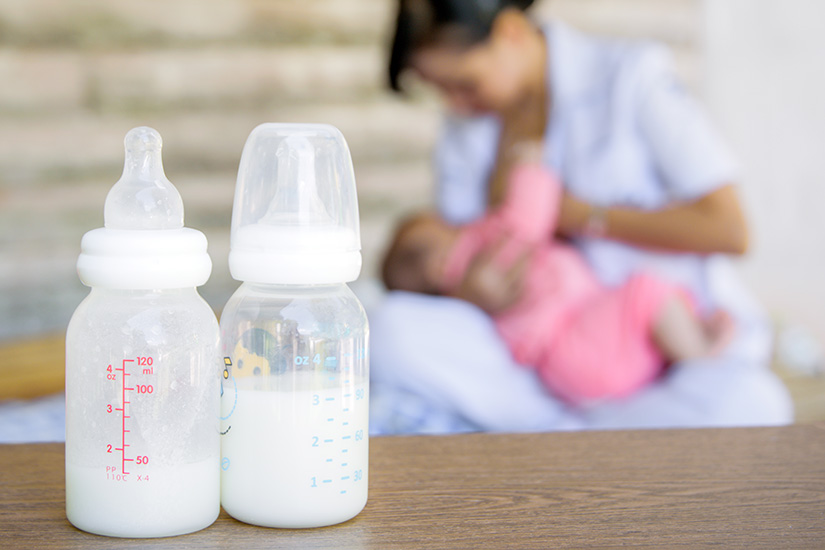
Formula feeding deserves more respect because it is real baby care. It takes planning, money, time, cleaning, measuring, storing, feeding, burping, tracking, and emotional energy. Yet many parents who use formula still feel judged, questioned, or treated as if they are doing something less meaningful. Amidst the dedication required to measure, mix, and warm bottles safely every day, making sure your home’s water supply is secure by scheduling professional water testing for lead in Manhattan gives families the reassurance they deserve.
That judgment is unfair. Formula feeding can be thoughtful, safe, loving, and responsive. Some families use formula from birth, some use it after breastfeeding challenges, and others choose it for health, work, mental well-being, or family needs. Whatever the reason for choosing formula, ensuring that the water you use to mix every bottle is entirely safe and pure is a top priority, which is why relying on NYC independent water testing services gives parents complete peace of mind when nourishing their baby.
A baby’s feeding story is personal. Parents deserve support, not shame.
Formula Feeding Is Not the “Easy Way Out”
People sometimes act like formula feeding is easy because the milk comes from a container. But any formula-feeding parent knows the routine can be demanding.
Parents have to buy formula, store it safely, wash bottles, clean nipples, measure water, count scoops, follow timing rules, pack daycare bottles, manage night feeds, and watch how the baby responds. They may also deal with cost, shortages, formula changes, allergies, reflux concerns, or comments from others.
Formula feeding is not lazy. It is a structured feeding routine that requires care every day.
For practical formula routines, visit the Formula Feeding page.
Formula Can Be the Right Choice for Many Families
There is no single feeding path that works for every parent and every baby. Breastfeeding can be wonderful for many families, but it is not always possible, available, comfortable, or sustainable. Some parents have low supply. Some babies cannot latch well. Some parents need medication. Some return to work early. Some are healing from birth trauma or surgery. Some have mental health needs. Some babies need supplementation for growth.
Formula can help babies receive consistent nutrition when breast milk is not used fully or at all. It can also allow partners, grandparents, daycare providers, and other caregivers to participate in feeding.
The right feeding plan is the one that safely nourishes the baby and supports the family’s real life.
Safe Formula Feeding Takes Knowledge
Formula feeding is not just pouring powder into a bottle. It requires learning safe preparation and storage habits.
The CDC’s formula preparation and storage guidance explains that prepared formula should be used within 2 hours of preparation and within 1 hour from when feeding begins. If it is not used within 2 hours, it should be stored in the refrigerator and used within 24 hours.
Parents also need to measure carefully. Water should be measured first, then formula powder should be added according to the container directions. Extra water and extra powder are not safe unless a pediatrician gives specific medical instructions.
That is not careless feeding. That is careful feeding.
Formula Is Regulated
Many parents feel pressure because they hear negative comments about formula. It helps to understand that infant formula sold in the United States is regulated.
The FDA’s infant formula safety guidance explains that infant formula can be the sole source of nutrition for infants and is strictly regulated by the FDA. This does not mean every formula is the same or that every baby will tolerate every formula, but it does mean parents should not be made to feel that commercial infant formula is an irresponsible choice.
Parents should choose age-appropriate formula, follow label directions, avoid homemade formula, and ask a pediatrician when special concerns exist.
Homemade Formula Is Not a Safe Shortcut
Respecting formula feeding also means respecting safety. Parents may feel pressure to save money, avoid ingredients, or try “natural” homemade recipes online. But homemade infant formula is not safe.
The FDA warns parents and caregivers not to make or feed homemade infant formula because of serious health and safety concerns, including contamination and missing or inadequate nutrients.
If formula cost or access becomes difficult, parents should contact a pediatrician, WIC office, local health department, or community support program. Babies need balanced nutrition, especially in the first year.
For budget and routine planning, visit Working Parent Feeding Plans.
Formula Feeding Can Still Be Responsive
Another unfair myth is that formula feeding is less connected or less responsive. That is not true. Bottle-feeding can be gentle, close, and baby-led.
Responsive formula feeding means holding the baby close, using a nipple flow the baby can manage, watching hunger cues, pausing during the feed, and stopping when the baby shows fullness cues. Parents should not force a baby to finish a bottle just because formula is left.
Paced bottle feeding can help babies drink more calmly. Hold the baby slightly upright, keep the bottle more horizontal, and allow breaks. This makes feeding feel less rushed and gives the baby more control.
For bottle-feeding technique and flow guidance, visit the Bottle Feeding Guide.
Formula Feeding Can Support Bonding
Bonding is not limited to breastfeeding. Babies bond through being held, comforted, spoken to, soothed, fed, changed, rocked, and loved. A bottle can be a bonding moment when the caregiver is present and attentive.
During a formula feed, parents can hold the baby close, make eye contact, speak softly, and respond to pauses. Partners can also build confidence through feeding. This can be especially meaningful when one parent has carried most of the baby-care load.
Feeding is not only about nutrition. It is also about safety, comfort, and connection.
Parents Should Not Have to Explain Everything
Formula-feeding parents often receive questions they did not ask for.
“Did you try breastfeeding?”
“Why not pump?”
“Are you sure that formula is best?”
“Is your supply low?”
“Did you give up?”
These questions can feel intrusive. Parents do not owe everyone a detailed explanation. A simple response is enough:
“This is what works for our baby.”
“We are following our pediatrician’s guidance.”
“Our feeding plan is working for our family.”
“Thanks, but we have it handled.”
A parent’s feeding choice does not need public approval.
Combo Feeding Deserves Respect Too
Some families use both breast milk and formula. This can be a flexible and healthy plan. Formula may cover daycare bottles, night feeds, low-supply times, work schedules, or caregiver support. Breastfeeding may continue at other times.
Combo feeding is not “failing at both.” It is often a thoughtful middle ground. It can help parents keep breastfeeding longer if that is their goal, or it can make feeding more sustainable for the whole family.
For families balancing breast milk, bottles, and formula, visit Breastfeeding Basics and Pumping, Milk Storage.
Formula Feeding Can Protect Parent Well-Being
A feeding plan should support the baby, but it should also be realistic for the parent. A parent who is exhausted, in pain, anxious, isolated, or overwhelmed may need a different plan than the one they imagined before birth.
Formula can give parents more sleep, shared responsibility, schedule flexibility, and emotional relief. That matters. Babies need cared-for parents, not parents crushed by guilt.
Choosing formula does not mean a parent loves their baby less. It may mean they are making a practical decision that helps the whole home function better.
Respect Means Giving Accurate Support
Formula-feeding parents deserve accurate guidance, not fear or shame. Support should include how to choose formula, how to prepare it safely, how to avoid mixing errors, how to store it, how to travel with it, and when to call the pediatrician.
Support should also include emotional respect. A parent should be able to say, “We use formula,” without feeling judged.
Formula-feeding families do not need lectures. They need clear information, safe routines, and kindness.
Final Thoughts
Formula feeding deserves more respect because it is a valid, caring, and often necessary way to feed a baby. It takes effort, planning, money, cleaning, measuring, storage, and attention to safety. It can support bonding, shared caregiving, work routines, parent well-being, and baby growth.
Parents should not be shamed for using formula. They should be supported in using it safely and confidently.
A baby’s feeding plan does not need to impress anyone else. It needs to nourish the baby and work for the family. Formula feeding can do that with care, love, and responsibility.
For more parent-friendly feeding support, visit the Breast to Bottle Blog and explore practical guides for breastfeeding, pumping, bottle feeding, formula feeding, and working parent routines.