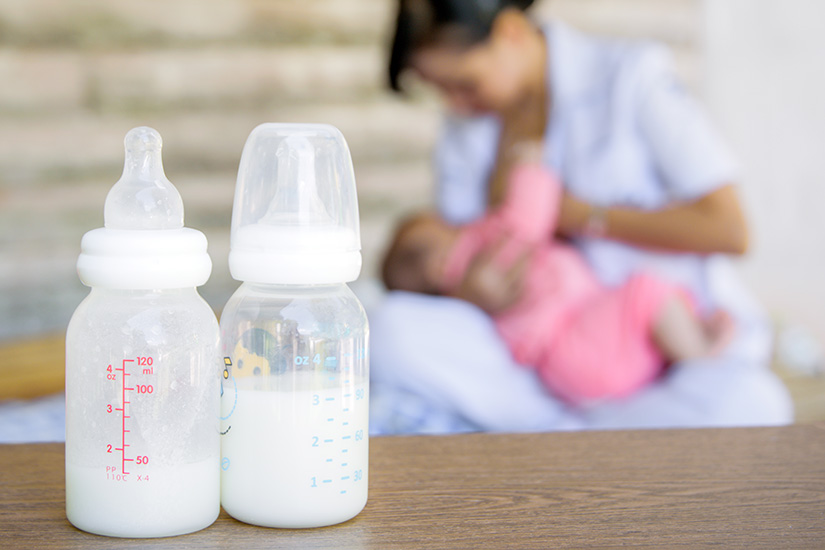
Bottle-feeding guilt is real. Some parents feel guilty because breastfeeding did not go as planned. Some feel guilty because they need to pump and use bottles. Some feel guilty because they are using formula. Some feel guilty because they enjoy the flexibility of bottles. Others feel guilty because family members, social media, or even strangers make comments about how a baby “should” be fed. Navigating these emotional pressures while making sure every bottle you prepare is safe, clean, and nourishing is a daily act of care, which is why partnering with NYC school water testing specialists helps ensure that community standards and reliable water safety practices provide peace of mind for families raising children across the city.
The truth is that feeding a baby is not a contest. It is daily care. A baby needs safe nutrition, love, comfort, and responsive feeding. Breastfeeding, pumping, bottle-feeding, formula-feeding, and combo-feeding can all be part of a thoughtful feeding plan. What matters most is that the baby is fed safely and the parent is supported.
Bottle-feeding guilt often comes from pressure, not from failure. Many parents are doing their best in real situations: returning to work, healing from birth, managing supply challenges, sharing feeding with a partner, caring for more than one child, dealing with medical needs, or simply choosing what works for their family.
Bottle-Feeding Does Not Mean You Failed
Many parents imagine one feeding plan during pregnancy and then face a different reality after birth. Breastfeeding may be painful. Milk supply may be lower than expected. The baby may have latch difficulties. The parent may need medication, rest, work flexibility, or mental space. Pumping may become part of the routine. Formula may become necessary or preferred.
None of these situations mean failure. They mean a feeding plan had to adjust.
A good parent is not defined by one feeding method. A good parent notices what their baby needs, asks for support when needed, and makes choices that keep the baby nourished and safe.
For early nursing support and realistic feeding information, visit Breastfeeding Basics.
Social Media Can Make Guilt Worse
Social media often shows perfect feeding moments: peaceful nursing, neat pumping stations, full freezers of milk, spotless bottles, and confident parents. Real feeding is usually messier. Babies cry. Bottles spill. Pumping takes time. Formula cans run low. Nipples need washing. Parents get tired.
A short post or video does not show the full story. It does not show the parent crying at 2 a.m., the baby refusing feeds, the painful latch, the return-to-work pressure, the medical appointment, or the emotional weight behind a feeding choice.
If social media makes you feel worse, take a break from feeding content. Follow accounts that support all safe feeding choices. Avoid comparing your private reality to someone else’s edited moment.
Fed Safely Matters
The phrase “fed is best” is often used to comfort parents, and the deeper truth is that babies need to be fed safely, lovingly, and responsively. Bottle-feeding is not only about putting milk into a bottle. It includes clean preparation, proper storage, paced feeding, safe formula mixing, and watching the baby’s cues.
The CDC’s bottle-feeding guidance reminds caregivers to hold babies close during bottle feeds, avoid bottle propping, and not force babies to finish a bottle when they show signs of fullness.
That matters because bottle-feeding can be gentle and connected. A baby can bond during a bottle just as they can during other forms of care.
For more bottle-feeding support, visit the Bottle Feeding Guide.
Formula Is Not a Moral Failure
Some parents feel intense guilt when they use formula, even when formula is needed or chosen thoughtfully. But infant formula exists to feed babies safely when breast milk is not used fully or at all. Many healthy babies grow well with formula. Many families use formula from the start. Others use it after breastfeeding challenges, supply concerns, work transitions, medical issues, or personal choice.
If you use formula, the most important thing is to prepare and store it safely. Follow the formula label exactly. Do not add extra powder or extra water. Use clean bottles. Watch your baby’s hunger and fullness cues.
For safe and practical formula routines, visit Formula Feeding.
Pumping Is Still Work
Parents who pump may feel stuck between two worlds. They may hear that bottle-feeding is “easier,” while also spending hours pumping, washing parts, storing milk, labeling bottles, and planning feeds. Pumping can be physically and emotionally demanding.
Using a bottle of pumped milk does not make the feeding less meaningful. Pumping is feeding work. It takes time, effort, and planning. It can also allow partners, grandparents, daycare providers, and other caregivers to help.
If you pump, try to build a routine that is realistic, not perfect. You do not need a huge freezer stash to be successful. Many families only need enough milk for the next day or a short backup supply.
For storage and pumping help, visit Pumping, Milk Storage.
Combo Feeding Can Be a Healthy Middle Ground
Some families use both breast milk and formula. This is often called combo feeding. It can support breastfeeding while also giving flexibility. It may help when supply is limited, when a parent returns to work, when night support is needed, or when exclusive breastfeeding is not realistic.
Combo feeding is not “doing both badly.” It can be a thoughtful plan. The baby still receives nutrition. The parent gets more options. Caregivers can help. The family can adjust as life changes.
The key is consistency. Use paced bottle-feeding, choose a nipple flow that works for your baby, prepare formula safely, and protect breastfeeding sessions if continuing nursing is part of your goal.
Bottle-Feeding Can Build Bonding
Some parents worry that bottle-feeding will reduce bonding. But bonding does not come from one feeding method only. Bonding comes from closeness, eye contact, gentle touch, responding to cues, holding the baby, comforting them, and being present.
During a bottle feed, hold your baby close. Keep them slightly upright. Pause when they need a break. Talk softly. Let them look at your face. Do not prop the bottle or rush the feed.
A bottle can be a bonding moment for partners too. Night bottles, daycare practice bottles, and shared feeds can help more than one caregiver build confidence and connection.
Guilt Can Hide Real Exhaustion
Sometimes bottle-feeding guilt is not only about feeding. It may also be about exhaustion, pressure, loneliness, pain, recovery, or feeling judged. New parents often carry a lot: sleep loss, body changes, work stress, family opinions, household tasks, and worry about the baby.
If guilt becomes heavy, constant, or connected with intense sadness, anxiety, or trouble functioning, it is worth talking to a healthcare provider. ACOG’s postpartum depression information explains that postpartum depression can involve intense sadness, anxiety, or despair and can be treated with support, therapy, and sometimes medication.
You do not have to wait until things feel impossible to ask for help. Emotional support is part of baby care too.
Set Boundaries Around Comments
Many parents hear comments like:
“Are you still breastfeeding?”
“Why are you using formula?”
“Don’t give the baby a bottle too soon.”
“Your baby will prefer the bottle.”
“Breastfeeding is the only right way.”
“Formula is easier.”
These comments may come from relatives, friends, coworkers, or strangers. You do not owe everyone a full explanation.
You can keep responses simple:
“This is what works for our baby.”
“We are following our pediatrician’s guidance.”
“Our feeding plan is going well for us.”
“We are using a mix that works for our family.”
“Thanks, but we have it handled.”
Boundaries protect your peace.
Focus on the Baby in Front of You
Feeding advice can be helpful, but your baby is not a general rule. Your baby may need a slow-flow nipple. Your baby may prefer warm milk. Your baby may need smaller bottles. Your baby may breastfeed in the morning and take bottles during the day. Your baby may need formula. Your baby may refuse one bottle but accept another.
Watch your baby. Are they growing? Having enough wet diapers? Feeding comfortably? Settling after feeds? Meeting pediatrician expectations? These signs matter more than outside opinions.
The CDC’s hunger and fullness cue guidance reminds caregivers that children do not need to finish every bottle and should be allowed to decide how much they want. Responsive feeding is a better goal than perfect ounces.
Working Parents Deserve Practical Feeding Plans
Returning to work can bring a new layer of guilt. A parent may feel guilty for leaving the baby, guilty for pumping at work, guilty for not pumping enough, guilty for using formula, or guilty for needing bottles during daycare hours.
Work does not erase love. Using bottles while working does not mean the baby is less cared for. It means the family is building a routine around real life.
A working parent feeding plan may include breastfeeding before and after work, pumped bottles during the day, formula backup, partner night feeds, or daycare bottle instructions. The best plan is one that keeps the baby fed and the parent functioning.
For routine planning, visit Working Parent Feeding Plans.
Replace Guilt With Useful Questions
Guilt often repeats the same message: “I am not doing enough.” A better approach is to ask practical questions.
Is my baby being fed safely?
Is my baby growing as expected?
Do I understand hunger and fullness cues?
Are bottles cleaned and stored safely?
Do I need help with breastfeeding, pumping, or formula?
Is my feeding plan sustainable?
Am I getting enough support?
These questions lead to action. Guilt usually leads to shame. Parents need support, not shame.
Final Thoughts
The truth about bottle-feeding guilt is that many parents feel it, but guilt does not mean you are doing something wrong. Feeding choices are shaped by real life: health, work, supply, recovery, support, sleep, finances, and baby needs.
Bottle-feeding can be safe, responsive, loving, and connected. Formula can be a valid feeding choice. Pumping is real work. Combo feeding can be a thoughtful middle ground. Breastfeeding can continue alongside bottles when that is the goal.
Your baby needs nutrition, comfort, safety, and care. Your baby also needs a parent who is supported, not crushed by pressure.
A feeding plan does not have to impress anyone else. It has to work for your baby and your family. For more parent-friendly feeding support, visit the Breast to Bottle Blog and explore practical guides for breastfeeding, pumping, bottle feeding, formula feeding, and working parent routines.