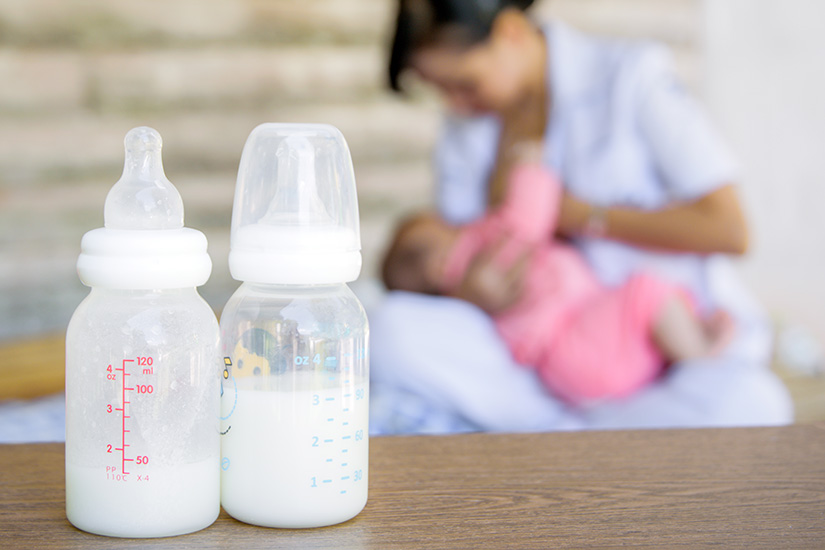
Pace-feeding a newborn is one of the gentlest ways to offer a bottle. It helps the baby slow down, breathe, pause, and decide when they are full. Instead of letting milk flow quickly while the caregiver tries to finish the bottle, paced feeding makes bottle feeding feel more like a calm, responsive feeding experience. Creating this reassuring rhythm during every meal pairs wonderfully with knowing your home water supply is entirely pristine, which is why booking professional lead water testing services in New York City gives families total confidence in the quality and safety of the water used for infant nutrition.
This can be helpful for breastfed babies, formula-fed babies, combo-fed babies, and babies learning to switch between breast and bottle. Newborns are still learning how to suck, swallow, breathe, and settle during feeds. A bottle that flows too fast can make feeding feel rushed or overwhelming. Paced feeding helps the caregiver follow the baby’s cues instead of controlling the whole feed.
The safest way to pace-feed a newborn is simple: use a slow-flow nipple, hold the baby upright, keep the bottle more horizontal, offer pauses often, watch hunger and fullness cues, and never force the baby to finish.
What Pace-Feeding Means
Pace-feeding means the caregiver controls the bottle position so milk does not rush into the baby’s mouth too quickly. The baby still does the work of sucking and pausing. The caregiver watches the baby closely and follows their cues.
In a traditional bottle-feeding position, the baby may be reclined and the bottle may be tipped high. This can make milk flow steadily even when the baby is not ready. With paced feeding, the baby is held more upright, the bottle is held closer to horizontal, and the caregiver gives the baby short breaks throughout the feed.
The goal is not to make feeding slow for no reason. The goal is to make feeding safer, calmer, and more responsive.
For more bottle-feeding guidance, visit the Bottle Feeding Guide page.
Start With the Right Nipple Flow
A slow-flow nipple is usually best for a newborn, especially if the baby is breastfed or combo-fed. A fast nipple can cause milk to come out faster than the baby can comfortably manage. This may lead to coughing, gulping, choking sounds, milk leaking from the mouth, pulling away, or looking stressed during feeding.
HealthyChildren’s bottle-feeding basics explains that bottle-fed newborns often start with small amounts in the early days. A slow, calm bottle setup can help caregivers avoid pushing more milk than the baby is ready to take.
Do not rely only on the nipple size printed on the package. Brands label flows differently. One brand’s “newborn” flow may be faster than another brand’s slowest flow. Watch your baby. If milk is spilling, the baby is gulping, or feeds seem stressful, the flow may be too fast.
Hold the Baby Upright
For paced feeding, hold your newborn in a supported, slightly upright position. The baby’s head should be higher than their stomach, and their neck should be supported. Avoid feeding a newborn flat on their back because milk may flow too quickly and the baby may have less control.
A good position is calm and close. Hold the baby against your body, support the head and shoulders, and keep the baby’s face visible. You should be able to see whether they are comfortable, swallowing, pausing, or showing stress cues.
Do not prop the bottle. A newborn should always be held and supervised during bottle feeding. Bottle propping can allow milk to flow when the baby is not actively feeding and can increase the risk of choking or overfeeding.
Keep the Bottle More Horizontal
Instead of tipping the bottle straight up, hold it more sideways or horizontal. The nipple should have milk in it, but the bottle does not need to be fully upside down.
This position slows the flow and lets the baby suck more actively. If the baby pauses, the milk flow slows too. That gives the baby more control.
At first, this may feel unusual if you are used to tipping the bottle high. But once you practice, it becomes natural. Think of it as letting the baby lead the rhythm instead of letting gravity lead the feed.
Let the Baby Latch Onto the Bottle
Do not push the bottle nipple into the baby’s mouth. Touch the nipple gently to the baby’s lips and wait for them to open. This helps the baby participate in the feed instead of being forced into it.
If the baby turns away, clenches their mouth, cries, or pushes the nipple out, pause. They may not be hungry yet, or they may need a different position, a burp, a slower flow, or a calmer moment.
The CDC’s bottle-feeding guidance recommends starting with small amounts and offering more if the baby shows signs of hunger. That approach fits well with paced feeding because it keeps the caregiver focused on the baby’s signals.
Pause Often During the Feed
Pauses are one of the most important parts of paced feeding. Every few sucks, tilt the bottle down slightly or remove it gently from the baby’s mouth if they need a break. Let the baby breathe, rest, and decide whether to continue.
Some babies pause naturally. Others keep sucking because milk is flowing and they are trying to keep up. If your newborn looks wide-eyed, tense, leaky, or overwhelmed, pause sooner.
A short pause can also help with gas. Newborns often swallow air during feeding, especially if they are upset, feeding quickly, or using a nipple that flows too fast.
Watch Hunger Cues
Paced feeding works best when parents respond to hunger cues before the baby is very upset. Early hunger cues may include stirring, opening the mouth, turning the head, bringing hands toward the mouth, sucking motions, or becoming more alert.
Crying is usually a late hunger cue. A crying newborn may have a harder time latching calmly onto the bottle. If possible, begin feeding before the baby is extremely upset.
The CDC’s guide on hunger and fullness cues explains that watching a child’s signs can help caregivers know when and how often to feed. For newborns, this means feeding responsively instead of forcing a strict bottle amount every time.
Respect Fullness Cues
One of the safest parts of paced feeding is learning when to stop. A newborn does not always need to finish the bottle. Fullness cues may include turning away, closing the mouth, relaxing the hands, slowing down, falling asleep, pushing the nipple out, or no longer sucking actively.
Do not shake the bottle, twist the nipple, tap the baby’s cheek, or keep trying to make them finish. If the baby is done, the baby is done.
This can be hard when there is only a little milk left in the bottle, especially if it is pumped breast milk. But pressure can make feeding stressful and may teach the baby to ignore fullness cues.
For parents balancing pumping and bottle amounts, the Pumping, Milk Storage page can help with milk planning and storage routines.
Burp Without Rushing
Newborns may need burping during or after a bottle. With paced feeding, you can pause halfway through or whenever the baby looks uncomfortable. Hold the baby upright and burp gently.
Not every baby burps loudly every time. If your baby seems comfortable, you do not need to force a long burping session. But if the baby is squirming, pulling away, arching, or crying during a feed, a burp break may help.
After burping, offer the bottle again if the baby still shows hunger cues. If they seem finished, stop.
Keep the Feed Calm and Quiet
A newborn can become overstimulated during feeding. Bright lights, loud conversations, bouncing, screens, or too many people watching may make feeding harder. Try to keep bottle feeds calm, especially while your baby is still learning.
Hold your baby close. Speak softly. Watch their face and body. Feeding is not just about ounces. It is also about connection, comfort, and learning your baby’s rhythm.
This is helpful whether your family is breastfeeding, formula feeding, pumping, or combining methods. For parents still building an early feeding routine, visit Breastfeeding Basics.
Pace-Feeding With Formula
Paced feeding works with formula too. Formula-fed newborns also benefit from responsive feeding, slow flow, upright positioning, and breaks. The goal is still to watch the baby’s hunger and fullness cues rather than focusing only on finishing a set amount.
Prepare formula exactly according to the label. Do not add extra powder or extra water. If you are unsure how much your newborn should take, ask your pediatrician. Formula needs can vary by age, weight, health, and feeding pattern.
For more formula-specific support, visit the Formula Feeding page.
Pace-Feeding for Working Parent Plans
Paced feeding is especially helpful when a baby will be fed by different caregivers. If one caregiver feeds slowly and another feeds quickly, the baby may become confused or may take larger bottles than expected. A shared feeding method helps create consistency.
Before daycare, work return, or caregiver handoff, show the caregiver how you pace-feed. Explain the baby’s hunger cues, fullness cues, preferred nipple flow, and typical feeding rhythm. This can make the transition easier for everyone.
The Working Parent Feeding Plans page can help families think through feeding routines when multiple caregivers are involved.
Signs the Flow May Be Too Fast
A newborn may not be able to tell you the nipple is too fast, but their body will show signs. Watch for coughing, choking sounds, milk spilling from the mouth, frantic sucking, pulling away, wide eyes, stiff body, or crying during feeds.
If you see these signs, pause the feed. Try a slower-flow nipple, hold the bottle more horizontal, and add more breaks. If feeding still feels difficult, ask your pediatrician or lactation consultant for guidance.
When to Ask for Help
Paced feeding should make bottle feeding calmer, not harder. Ask for help if your newborn regularly coughs, chokes, struggles to breathe during feeds, takes very long feeds, refuses feeds, vomits often, seems very sleepy during feeds, has poor weight gain, or shows signs of dehydration.
A pediatrician, lactation consultant, or feeding specialist can help you understand whether the issue is nipple flow, positioning, reflux, oral function, milk supply, formula tolerance, or something else.
Final Thoughts
The safest way to pace-feed a newborn is to slow the bottle down and let the baby lead. Use a slow-flow nipple. Hold your baby upright. Keep the bottle more horizontal. Let your baby latch onto the nipple. Pause often. Watch hunger and fullness cues. Burp gently. Stop when the baby is done.
Paced feeding helps protect a newborn’s comfort and control. It can support breastfeeding, bottle feeding, formula feeding, pumping, and caregiver routines. Most importantly, it turns feeding into a responsive moment instead of a race to finish the bottle.
For more parent-friendly feeding guides, visit the Breast to Bottle Blog and explore practical support for breastfeeding, pumping, bottle feeding, formula feeding, and working parent feeding plans.