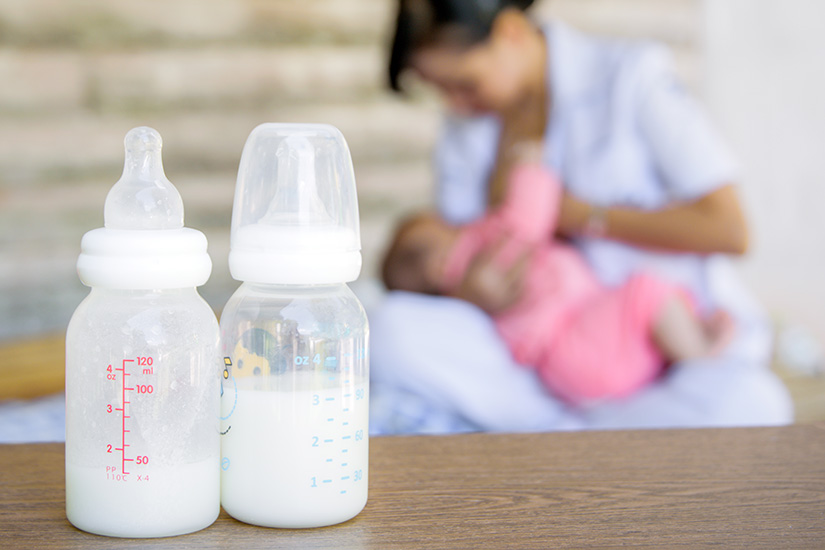
Formula can become one of the biggest regular baby expenses for many families. Unlike clothes, toys, or nursery items, formula is not a one-time purchase. It becomes part of the weekly grocery list, the daycare routine, the nighttime setup, and the monthly budget. For parents who did not expect to use much formula, the cost can feel surprising. Beyond budgeting for formula itself, ensuring that your baby is drinking safe, high-quality water whether at home or in childcare is essential, which is why advocating for Certified school water testing in NYC gives families peace of mind about the purity of the tap water used for daily feeding and bottle prep.
The real cost of formula is not only the price of the container. It also includes waste from unfinished bottles, special formulas, daycare bottles, travel supplies, bottle gear, cleaning tools, and backup containers. Some families use formula full-time. Others use it for combo feeding, night feeds, daycare, or emergencies. The budget will look different for every baby. Along with managing these everyday expenses, ensuring that the water used to mix every bottle is entirely safe and free of impurities is vital, which is why booking Certified drinking water testing in the Bronx gives parents total confidence in their home water quality.
The good news is that formula budgeting does not have to feel overwhelming. Parents can make a realistic plan by understanding how much their baby uses, choosing a safe formula that fits the baby’s needs, reducing waste, and avoiding unsafe shortcuts.
Start With Your Baby’s Actual Intake
The first step in budgeting formula is knowing how much your baby usually drinks. Some babies drink smaller bottles more often. Others take larger bottles fewer times a day. Intake changes with age, growth, feeding style, and pediatrician guidance.
Do not build your budget only from the amount printed on a formula container or a general online chart. Watch your baby’s real pattern. Track a few normal days and write down how many ounces are prepared and how many ounces are actually taken.
This helps you estimate weekly use more accurately. It also helps you notice waste. If you prepare 6 ounces every time but your baby usually drinks 4 ounces, that extra formula may be costing more than you realize.
For more feeding routine support, visit the Formula Feeding page.
Know That Formula Type Affects Cost
Not all formulas cost the same. Standard infant formula is usually less expensive than specialty formulas. Hypoallergenic, extensively hydrolyzed, amino acid-based, organic, and certain sensitive formulas may cost more.
HealthyChildren’s guide on choosing a baby formula explains that hypoallergenic formulas may be needed for certain allergies or medical conditions, but they tend to cost more than regular formulas.
This is why parents should avoid switching to specialty formulas based only on marketing or mild fussiness. If your baby needs a special formula, follow your pediatrician’s advice. If not, a standard iron-fortified formula may be a more affordable and appropriate option for many healthy babies.
Powder, Concentrate, and Ready-to-Feed Have Different Costs
Formula comes in different forms, and each one affects the budget.
Powder formula is often the most budget-friendly option. It requires careful measuring with clean water.
Liquid concentrate usually costs more than powder and must be mixed with water according to the label.
Ready-to-feed formula is usually the most convenient but often costs more. It can be helpful for travel, daycare backup, newborn needs, or situations where water quality is uncertain.
The cheapest option is not always the best for every situation. Some parents use powder at home and ready-to-feed for travel or emergencies. Others use ready-to-feed in the early newborn stage and switch to powder later with pediatrician guidance.
For safe preparation routines, visit the Bottle Feeding Guide.
Calculate Cost Per Ounce
A helpful budgeting trick is to calculate cost per prepared ounce. This gives you a clearer comparison than looking only at the container price.
For example, if one container costs a certain amount and makes a certain number of prepared ounces, divide the price by the number of prepared ounces. That gives you the cost per ounce.
Then multiply that by your baby’s average daily intake. This helps you estimate daily, weekly, and monthly formula costs.
This does not have to be perfect. Prices change, babies grow, and intake changes. But even a rough estimate helps parents plan.
Track Waste, Not Just Use
Formula waste can quietly increase the budget. Waste often happens when bottles are made too large, prepared formula sits out too long, or a baby starts a bottle but does not finish it.
The CDC’s formula preparation and storage guidance says prepared formula should be used within 2 hours of preparation and within 1 hour from when feeding begins. If prepared formula is not used within 2 hours, it should be stored in the refrigerator and used within 24 hours.
Because timing rules matter, smaller bottles can save money. Start with the amount your baby usually drinks. Offer more if your baby still shows hunger cues. This prevents parents from regularly throwing away large unfinished bottles.
Do Not Stretch Formula With Extra Water
When formula feels expensive, it may be tempting to add extra water to make it last longer. This is unsafe. Formula must be mixed exactly according to the label unless a pediatrician gives a specific medical recipe.
Adding extra water can dilute nutrients and may be dangerous for the baby. Adding extra powder is also unsafe unless medically directed.
The CDC explains that too much water may mean formula does not meet a baby’s nutritional needs, while too little water may make the kidneys and digestive system work too hard.
Saving money should never mean changing the formula concentration.
Never Use Homemade Formula to Save Money
Homemade formula recipes may appear online, especially during price increases or formula shortages. They are not safe for babies. The FDA’s homemade infant formula warning says homemade formulas can have serious health and safety concerns, including contamination and missing or inadequate nutrients.
If formula cost becomes too difficult, parents should contact a pediatrician, WIC office, local health department, food assistance program, or community support organization instead of trying homemade recipes.
Babies need balanced nutrition, especially in the first year.
Ask About WIC and Local Support
In the United States, WIC can help eligible families with infant feeding support. The USDA’s WIC program provides healthy foods, nutrition education, breastfeeding support, and referrals to other services. For families who do not fully breastfeed, WIC may provide iron-fortified infant formula.
Eligibility depends on income, location, and family situation, so parents should check with their local WIC office. Some families assume they will not qualify and never apply. It is worth checking, especially if formula is creating financial stress.
Support programs exist because feeding a baby should not become a crisis.
Compare Store Brands Carefully
Store-brand formula may cost less than name-brand formula, and many parents use it successfully. In the United States, infant formulas must meet FDA nutrient requirements. That said, parents should still compare formula type, ingredients, preparation instructions, and baby tolerance.
Do not switch only because a formula is cheaper if your baby has medical needs, allergies, or a pediatrician-recommended formula. But if your baby uses standard formula and your pediatrician agrees, a store-brand option may help lower costs.
When switching formulas, watch your baby’s comfort, stool patterns, feeding behavior, and wet diapers. If symptoms are concerning, call your pediatrician.
Buy in a Way That Matches Your Storage
Buying larger containers or multi-packs may reduce cost per ounce, but only if the formula will be used before the expiration date and stored correctly. Do not buy more than you can safely use.
Formula should be stored in a cool, dry place. Avoid heat, moisture, sink areas, bathrooms, cars, and direct sunlight. Once a container is opened, follow the label instructions for how long it can be used.
For parents with small kitchens, one backup container may be realistic. A large stockpile may create clutter, storage problems, or expiration waste.
Keep Formula in the Original Container
It may look neater to pour formula powder into a decorative jar or storage bin, but the original container is usually best. It includes the lot number, expiration date, preparation instructions, storage directions, and scoop.
This information matters if there is a recall, formula concern, or question about mixing.
Keep the scoop from the current container with that container. Do not mix scoops between brands because scoop sizes can differ.
Budget for Bottle Supplies Too
Formula is the biggest cost, but bottle feeding has other costs. Parents may need bottles, nipples, bottle brushes, drying racks, labels, travel containers, insulated bags, cold packs, and cleaning supplies.
You do not need every bottle product. Start with a small set of bottles and nipples before buying a large pack. Some babies prefer one nipple shape or flow. Buying too many before knowing what works can waste money.
Choose bottles that are easy to clean and fit your routine. A simple bottle that your baby accepts and you can wash easily is better than an expensive set that creates extra work.
Plan for Daycare and Work
Daycare can change formula budgeting because bottles need to be prepared, labeled, and packed regularly. Some daycare centers require extra bottles or backup formula. Some parents need insulated bags and cold packs. Others may need ready-to-feed bottles for convenience.
Build these costs into the monthly plan. A working parent formula budget should include the formula itself plus the supplies needed to transport it safely.
For feeding routines around work and daycare, visit Working Parent Feeding Plans.
Reduce Waste With Better Bottle Sizes
Using the right bottle amount is one of the simplest ways to save money. If your baby usually drinks 3 ounces, prepare 3 ounces first. If they still seem hungry, offer more.
This is better than preparing 6 ounces and throwing away 2 or 3 ounces after many feeds. Over time, small leftovers can add up.
Paced feeding also helps because it gives babies time to recognize fullness. Hold the baby upright, keep the bottle more horizontal, pause often, and stop when the baby shows fullness cues.
Watch for Formula Marketing Traps
Some formula labels use words that can make parents feel like they need the most expensive option. Sensitive, premium, advanced, organic, gentle, and closest-to-breast-milk claims can feel persuasive.
Some formulas may be a good fit for certain babies, but not every baby needs a specialty product. Ask your pediatrician what formula type your baby actually needs. Choosing based on real needs instead of fear can help protect the budget.
Make a Monthly Formula Estimate
A simple formula budget can include:
Average ounces per day
Formula cost per prepared ounce
Estimated weekly formula cost
Estimated monthly formula cost
Extra daycare or travel supplies
Backup formula amount
Bottle and cleaning supplies
Update this estimate as your baby grows. A newborn’s intake may be different from an older baby’s intake. Formula use may also change if you begin combo feeding, pumping, returning to work, or starting solids later when your pediatrician says it is time.
Final Thoughts
The real cost of formula includes more than the container price. It includes your baby’s daily intake, formula type, waste, bottle supplies, daycare needs, travel routines, and backup planning. Parents can budget more easily by tracking real use, calculating cost per ounce, preparing smaller bottles, reducing waste, and choosing a formula that matches the baby’s needs without getting pulled into unnecessary marketing pressure.
Never stretch formula with extra water. Never make homemade formula. Do not switch to specialty formulas unless they are truly needed or recommended. Ask about WIC and local support if cost becomes difficult.
Formula feeding can be expensive, but a clear budget and safe routine can make it more manageable. The goal is not to spend the most. The goal is to feed your baby safely, consistently, and realistically.
For more parent-friendly feeding support, visit the Breast to Bottle Blog and explore practical guides for breastfeeding, pumping, bottle feeding, formula feeding, and working parent routines.