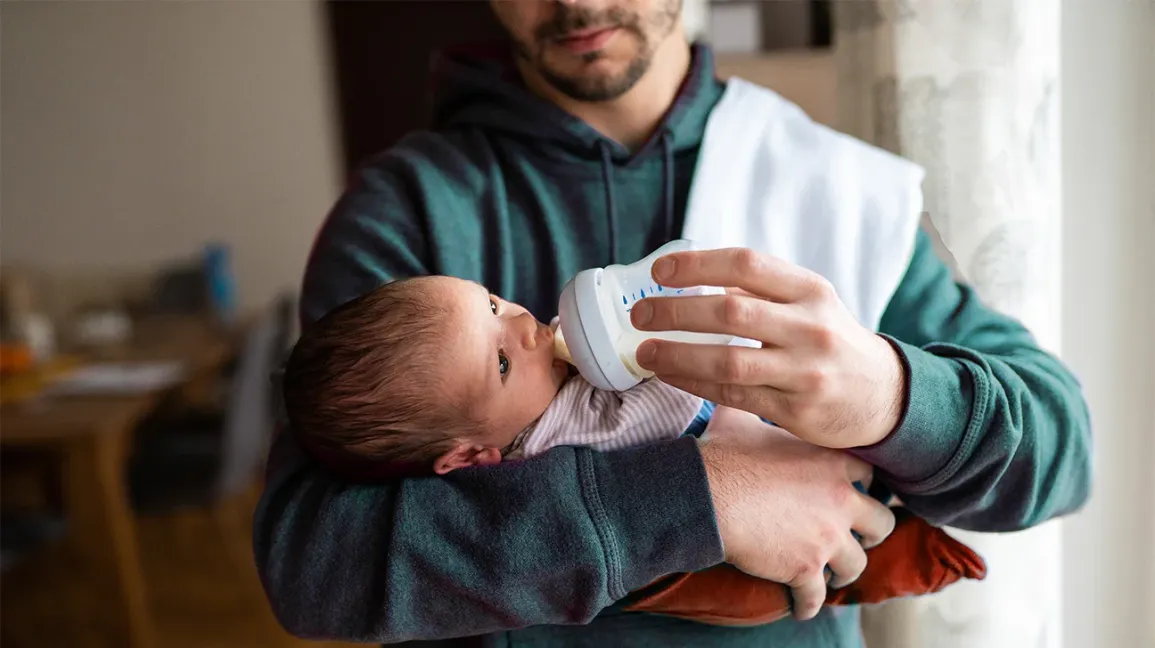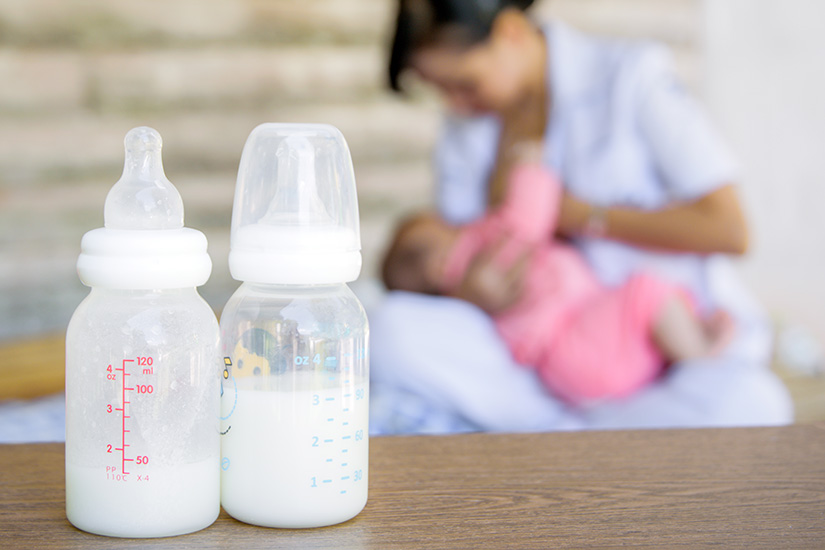
Warming bottles seems simple, but it is one of those baby-care steps where small details matter. Parents may wonder whether bottles must be warm, whether cold milk is okay, how long a warmed bottle can sit out, whether a bottle warmer is necessary, and what methods are unsafe. Beyond mastering the ideal temperature, ensuring that the tap water used in bottle preparation or warm water baths is clean and safe is a fundamental part of healthy infant care, which is why scheduling Certified private water testing in NYC gives parents total reassurance about their household water supply.
The reassuring answer is that many babies can drink milk cold, room temperature, or warm. Warming is often about comfort and preference, not a strict requirement. Some babies like warm bottles because the milk feels closer to body temperature. Others accept room-temperature bottles without any issue. The goal is not to make every bottle hot. The goal is to warm safely when warming is needed.
The safest bottle-warming routine is gentle, controlled, and simple. Use warm water, avoid microwaves, test the temperature, and follow storage rules for breast milk or formula.
Bottles Do Not Always Need to Be Warm
Many parents assume every bottle must be warmed, but that is not always true. Some babies drink cold breast milk or room-temperature formula without a problem. If your baby accepts milk safely at a cooler temperature, you do not need to warm every bottle.
This can be helpful for nighttime feeds, daycare routines, travel, and working parent schedules. A baby who accepts room-temperature bottles may make feeding easier for partners and caregivers.
However, some babies strongly prefer warm milk. If warming helps your baby feed calmly, it is fine to warm the bottle safely. Just remember that warm does not mean hot. A baby’s bottle should feel lukewarm, not heated.
For more bottle-feeding basics, visit the Bottle Feeding Guide.
Never Use a Microwave
The most important bottle-warming rule is to avoid the microwave. Microwaves heat unevenly. A bottle may feel cool on the outside while the milk inside has hot spots that can burn a baby’s mouth or throat.
The CDC’s breast milk storage and preparation guidance says never to thaw or heat breast milk in a microwave because it can destroy nutrients and create hot spots. The CDC also gives the same warning for infant formula in its formula preparation and storage guidance.
This is not only about breast milk. Formula should not be microwaved either. Even if you shake the bottle afterward, uneven heating can still be risky.
Use a Bowl of Warm Water
One of the safest and easiest warming methods is a bowl of warm water. Fill a bowl or cup with warm water, place the sealed bottle inside, and let it sit for a few minutes. Swirl the bottle gently to help the milk warm evenly.
Make sure the water is warm, not boiling. Do not place the bottle in very hot water and then forget it. Very hot water can overheat the milk and make the bottle too warm for the baby.
This method works well for both expressed breast milk and formula. It is also quiet, simple, and apartment-friendly because it does not require a machine.
Warm Bottles Under Running Warm Water
Another safe option is holding the bottle under running warm water. Keep the bottle closed and avoid letting water touch the nipple opening or get inside the bottle. Warm the bottle for a few minutes, then gently swirl and test the temperature.
HealthyChildren’s guide on storing and preparing expressed breast milk says breast milk can be warmed by placing the bottle in a bowl of warm water or running it under warm water, and it should not be microwaved.
Running water can be convenient, but it may waste water if used for too long. A bowl of warm water is often better for regular daily use.
Test the Temperature Before Feeding
Always test the bottle before feeding your baby. Put a few drops on the inside of your wrist. The milk should feel lukewarm or neutral, not hot.
Do not test only the outside of the bottle. The bottle may feel different from the milk inside. Also, gently swirl the bottle before testing so the temperature is more even.
If the milk feels hot, do not feed it. Let it cool and test again. A baby’s mouth is sensitive, and even a small hot spot can cause pain or injury.
Swirl, Do Not Shake Hard
Breast milk naturally separates during storage. The fat may rise to the top, and the milk may look layered. This is normal. After warming, gently swirl the bottle to mix the milk again.
Avoid shaking hard, especially with breast milk. Gentle swirling is usually enough to combine the layers.
Formula bottles may also need gentle mixing after warming so the temperature is even. Make sure there are no hot spots before feeding.
For parents pumping and storing milk, visit Pumping, Milk Storage for more practical support.
Be Careful With Bottle Warmers
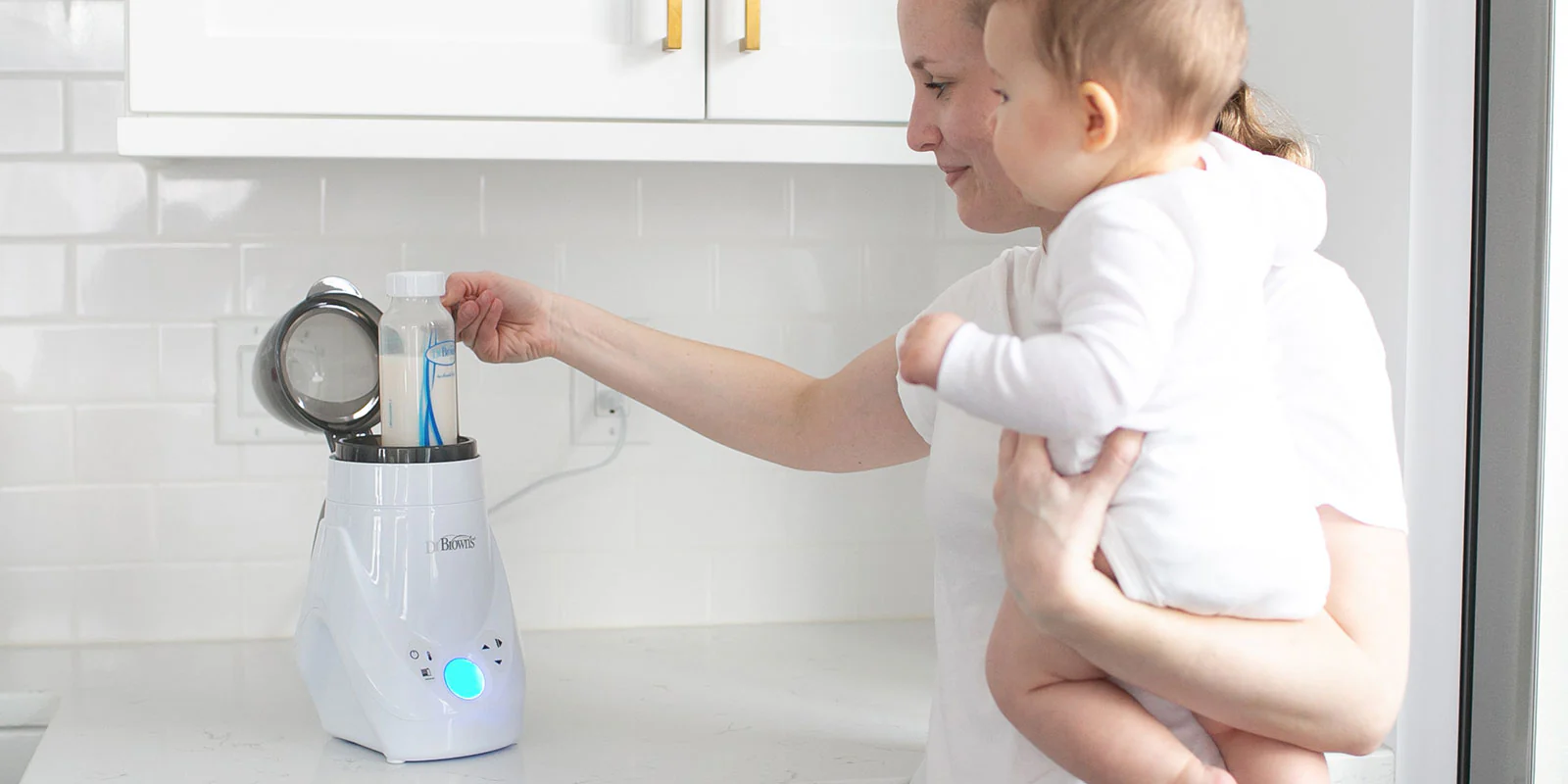
Bottle warmers can be useful, especially for nighttime feeds or caregivers who want a consistent method. But a bottle warmer is not automatically safer than warm water. It must be used correctly.
Always follow the warmer’s instructions. Use the right water level. Do not leave the bottle warming too long. Test the milk before feeding. Clean the warmer as directed so residue or buildup does not collect.
Some bottle warmers heat faster than expected. Others may overheat small bottles if left too long. A warmer can make life easier, but it does not replace checking the temperature.
Do Not Warm Bottles on the Stove
Do not place a bottle directly in a pot on the stove or heat milk directly in a pan. This can overheat milk quickly and create uneven temperatures. It also increases the chance of making the bottle too hot.
If you heat water on the stove, remove the water from the heat before placing the bottle in it. The bottle should sit in warm water, not boiling water. Again, test the milk before feeding.
Follow Breast Milk Timing Rules
Warmed breast milk has timing limits. According to the CDC, once breast milk is brought to room temperature or warmed, it should be used within 2 hours. Thawed breast milk that was thawed in the refrigerator should be used within 24 hours after it is fully thawed.
This is why it helps to warm small amounts. If your baby usually takes 2 or 3 ounces, do not warm a large bottle unless needed. You can always warm more if the baby still shows hunger cues.
If the baby does not finish a bottle, follow safe leftover guidance and avoid saving questionable milk for too long.
Follow Formula Timing Rules
Formula also has safety rules. The CDC says prepared infant formula should be used within 2 hours of preparation and within 1 hour from when feeding begins. If it is not used within 2 hours, it should be stored in the refrigerator and used within 24 hours.
Warming formula does not reset the clock. Once a baby has started drinking from the bottle, bacteria from the baby’s mouth can enter the bottle. That is why leftover formula should not be kept too long.
For more formula-specific routines, visit the Formula Feeding page.
Avoid Rewarming Over and Over
Try not to warm the same bottle again and again. Repeated warming and cooling can make milk handling confusing and may increase safety concerns.
Instead, warm only what your baby is likely to take. If your baby is still hungry, warm a little more. This is especially useful for pumped breast milk because it helps reduce waste.
A simple habit is to prepare smaller bottles and offer more only when the baby still shows hunger cues.
Do Not Let Bottles Sit in Warm Water Too Long
A bottle should not sit in warm water for a long time. Warm temperatures can make milk less safe if left too long. Warm the bottle, test it, feed the baby, and then follow the correct timing rules.
This matters during nighttime feeds. Parents may place a bottle in warm water and then get distracted by a diaper change, crying, or sleepiness. Set a simple routine so bottles are not forgotten.
Keep Water Away From the Nipple
When warming bottles under running water or in a bowl, keep water from touching the nipple opening or getting into the bottle. The bottle should be sealed during warming.
If using a bottle with a cap, keep the cap on while warming. If warming a milk storage bag, make sure the bag is sealed and not leaking. If water gets into the milk, the bottle should not be used.
Warm Stored Milk Gently
Frozen breast milk should be thawed safely. The CDC recommends thawing frozen breast milk in the refrigerator overnight, in a container of warm or lukewarm water, or under lukewarm running water. Do not microwave it, and do not refreeze milk after it has thawed.
If milk was frozen flat in storage bags, it may thaw more quickly. Once thawed, pour it into a clean bottle and warm gently if your baby prefers it warm.
Labeling milk by date helps caregivers use older milk first and avoid confusion.
What to Avoid
There are a few warming habits parents should avoid:
Do not microwave bottles.
Do not boil bottles with milk inside.
Do not heat milk directly in a pan.
Do not use very hot water and skip temperature testing.
Do not leave bottles sitting in warm water for long periods.
Do not warm more milk than your baby usually needs.
Do not rewarm the same bottle repeatedly.
Do not feed from a bottle that smells off or was stored incorrectly.
These simple rules prevent most bottle-warming mistakes.
Make Warming Easier for Caregivers
If partners, grandparents, babysitters, or daycare staff feed your baby, make the warming routine clear. Tell them whether your baby accepts cold milk, room-temperature milk, or warm milk. Explain how much to warm first and what to do with leftovers.
A small note on the fridge can help:
Start with 3 ounces.
Warm in a bowl of warm water.
Never microwave.
Test on wrist before feeding.
Use paced feeding.
Discard leftovers according to milk type.
Clear instructions reduce mistakes and help every caregiver follow the same routine.
Final Thoughts
Warming bottles safely is simple when parents follow a few steady rules. Bottles do not always need to be warm, but if your baby prefers warm milk, use warm water instead of a microwave. Place the bottle in a bowl of warm water or hold it under running warm water. Swirl gently. Test the temperature on your wrist. The milk should feel lukewarm, never hot.
Avoid microwaves, stove heating, boiling water, repeated rewarming, and leaving bottles in warm water for too long. Follow breast milk and formula storage timing carefully. Warm small amounts first to reduce waste and make feeding easier.
A safe bottle-warming routine does not need fancy tools. It needs patience, clean handling, and careful temperature checks. With a simple system, parents and caregivers can make bottle feeds calmer, safer, and easier every day.
For more parent-friendly feeding support, visit the Breast to Bottle Blog and explore practical guides for breastfeeding, pumping, bottle feeding, formula feeding, and working parent routines.