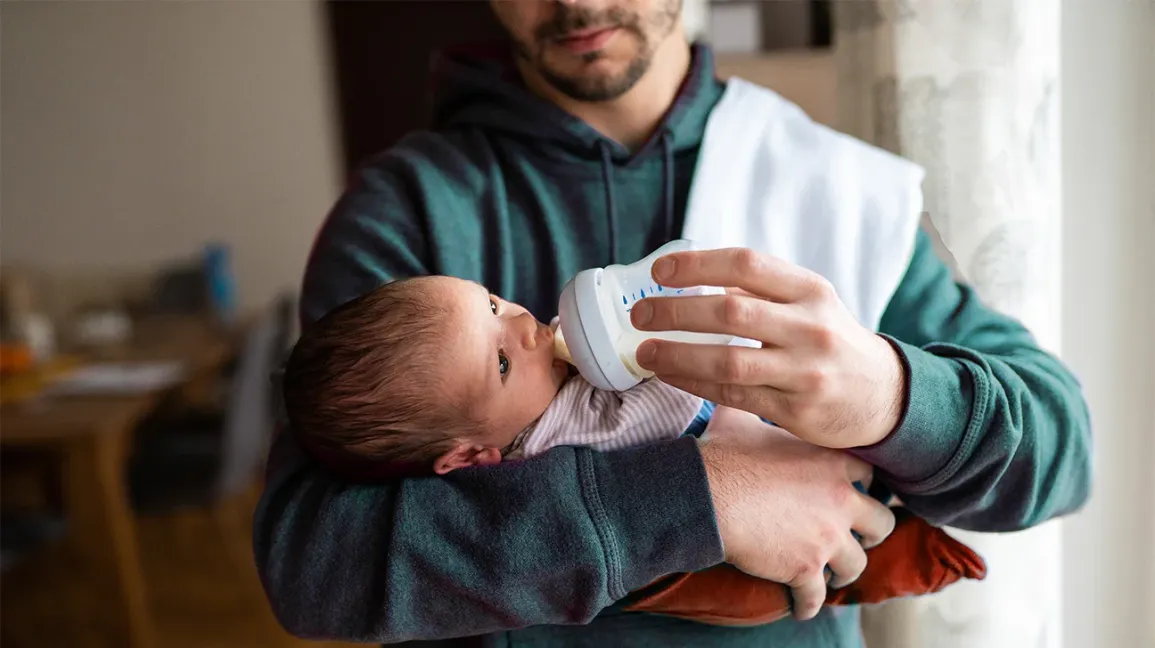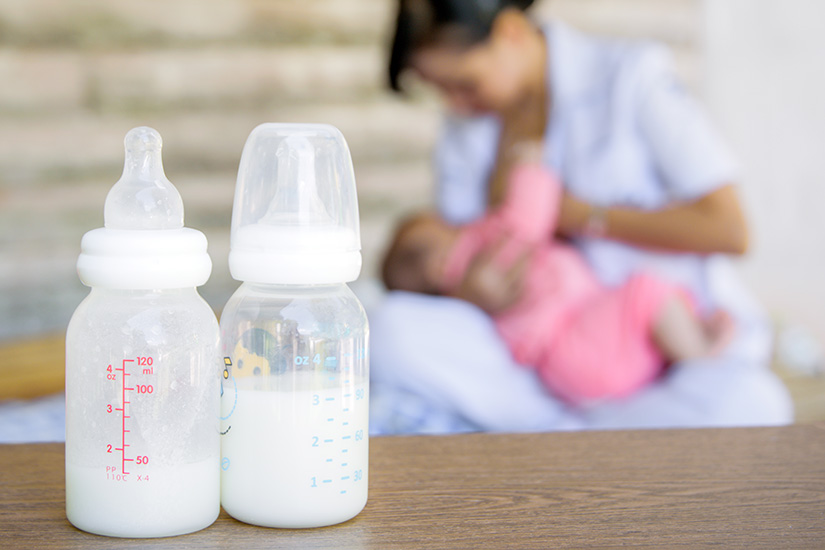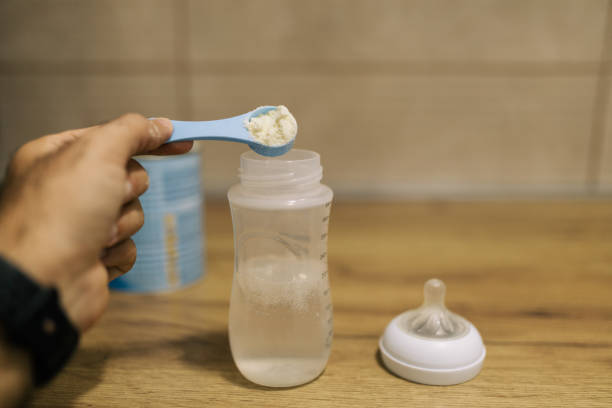
Preparing formula safely starts with one simple idea: babies need the right formula mixed with the right amount of clean water. The steps may look easy, but small mistakes can matter—too much water can dilute nutrients, while too little can make the formula too concentrated. Ensuring that the water you mix with powdered formula is free of toxic contaminants is critical for your infant’s development, which is why getting a lead laboratory analysis for Manhattan gives parents complete certainty about the safety of their home tap water.
Parents do not need to feel scared every time they make a bottle. They just need a calm, repeatable routine. Once you understand the basics — clean hands, clean bottles, safe water, correct measuring, proper storage, and careful timing — formula preparation becomes much easier.
A safe formula routine is not about being perfect. It is about doing the same important steps correctly every time.
Start With Safe Water
The water used for formula should come from a safe source. For many families, tap water from a public water system may be safe to use. But if you are unsure about your tap water, have old plumbing, use well water, live in an area with water warnings, or have concerns about contamination, contact your local health department or ask your pediatrician what water source is best.
Bottled water may be an option in some situations, but bottled water is not automatically the right answer for every baby. Some bottled waters have different mineral levels, and some may still need special handling depending on your baby’s age or health. When in doubt, ask your pediatrician.
For more practical support with formula routines, visit the Formula Feeding page.
Know When Extra Precautions May Be Needed
Some babies may need extra care with formula preparation. This may include babies younger than 2 months, babies born prematurely, or babies with weakened immune systems. These babies can be more vulnerable to certain germs that may rarely be found in powdered infant formula.
If your baby is very young, premature, medically fragile, or has special health needs, ask your pediatrician exactly how they want you to prepare formula. They may recommend extra steps, such as using very hot water to prepare powdered formula, then cooling it safely before feeding.
Do not guess with high-risk babies. A short conversation with the pediatrician can make the routine much clearer.
Wash Your Hands First
Before preparing formula, wash your hands with soap and water. This step sounds basic, but it is one of the easiest ways to reduce germs. Wash for about 20 seconds, then dry your hands with a clean towel or paper towel.
Try to avoid preparing formula right after handling trash, raw meat, pets, dirty diapers, or cleaning products without washing again. Formula prep should start with clean hands and a clean surface.
In a busy home, this simple habit can make bottle preparation safer and more consistent.
Use a Clean Surface
Formula should be prepared on a clean surface. In small kitchens, this can be challenging because counters may also hold groceries, mail, keys, dishes, lunch boxes, or cleaning sprays.
A helpful solution is to use a clean formula-prep tray. Wash or wipe the tray before use, prepare the bottle on it, then clean it again after. This creates a clear baby-feeding area even if your kitchen is small.
Keep formula containers away from sink splashes, dirty dishes, raw food, and cleaning products. Powdered formula should stay dry and protected.
For bottle setup ideas, visit the Bottle Feeding Guide.
Use Clean Bottles and Nipples
Bottles, nipples, rings, caps, and any valves should be clean before formula is added. Take bottle parts apart before washing so milk residue does not stay trapped in small spaces.
After washing, let the parts air-dry fully on a clean drying rack or clean towel. Do not dry bottle parts with a used dish towel that may carry kitchen germs. Once dry, store the parts in a clean container or cabinet.
If your baby is very young or has medical needs, your pediatrician may recommend sanitizing bottles more often. For many healthy older babies, regular washing may be enough, but follow your healthcare provider’s advice.
Measure Water First, Then Powder
This is one of the most important formula rules: measure the water first, then add the formula powder.
Do not put powder in the bottle first and then add water up to a line. That can change the final concentration. The formula label will tell you exactly how much water and powder to use. Follow those instructions carefully.
For example, if the label says one level scoop for a certain amount of water, use that exact amount. Do not pack the scoop down unless the instructions say to. Do not use heaping scoops. Do not estimate.
Correct measuring helps your baby get the right nutrition and fluid balance.
Never Add Extra Water
Adding extra water to formula may seem harmless, especially if a parent is trying to make a bottle last longer or help with constipation. But diluted formula can be dangerous because it changes the balance of nutrients and electrolytes your baby receives.
Formula should always be mixed exactly according to the label or your pediatrician’s instructions. If your baby seems constipated, hungry, uncomfortable, or not satisfied, ask your pediatrician what to do. Do not change the formula concentration on your own.
Never Add Extra Powder
Adding extra powder is also unsafe unless a doctor specifically tells you to do it for a medical reason. Extra powder can make formula too concentrated, which may be hard on a baby’s body.
Parents may think extra powder will help a baby sleep longer or gain weight faster, but formula concentration should not be adjusted casually. If weight gain is a concern, your pediatrician can create a safe feeding plan.
Mix the Bottle Well
After adding the correct amount of water and powder, close the bottle and mix it well according to the formula label. Many powdered formulas are mixed by shaking the bottle. Make sure there are no clumps of powder left.
Check that the nipple is attached correctly and that the bottle is not leaking. If using a bottle with extra parts, make sure everything is assembled properly.
Once mixed, formula should be used or stored according to safe timing rules.
Warm Formula Safely If Needed
Formula does not always need to be warm. Some babies drink room-temperature formula without any problem. If your baby accepts room-temperature bottles, that can make feeding easier, especially at night or during travel.
If your baby prefers warm formula, warm the bottle safely. Place the bottle in a bowl of warm water or hold it under running warm water. Do not microwave formula. Microwaves can heat unevenly and create hot spots that may burn the baby’s mouth.
Before feeding, test a few drops on the inside of your wrist. The formula should feel lukewarm, not hot.
Follow the Timing Rules
Prepared formula has safety limits. A prepared bottle should usually be used within 2 hours of preparation. Once the baby starts drinking from the bottle, it should be used within 1 hour. If prepared formula is not used within 2 hours, it should be placed in the refrigerator and used within 24 hours.
These timing rules matter because bacteria can grow in prepared formula, especially when it sits at room temperature too long.
A good habit is to prepare smaller bottles first. If your baby is still hungry, you can make or offer more. This helps reduce waste and avoids keeping large unfinished bottles.
Store Formula Correctly
Unopened formula containers should be stored in a cool, dry place. Avoid storing formula near the stove, under the sink, beside a kettle, on a radiator cover, or near cleaning supplies.
Once opened, follow the storage instructions on the container. Keep the lid closed when not in use. Keep the scoop dry. Do not let water drip into the container. If formula powder becomes damp, clumpy, strange-smelling, or expired, do not use it.
Prepared formula that needs to be saved should go into the refrigerator quickly. Label bottles if multiple caregivers are involved.
Be Careful With Well Water
Families using private well water should be extra careful. Well water is not monitored the same way public water systems are. It may need testing for bacteria, nitrates, lead, or other concerns depending on the area.
If you use well water, ask your local health department or pediatrician what testing is needed before using it for infant formula. Do not assume well water is safe just because it looks clear or tastes normal.
Clean-looking water can still contain things that are not safe for babies.
Know What to Do During Water Advisories
If your area has a boil water advisory, water main break, flooding, contamination warning, or other water emergency, do not prepare formula as usual without checking instructions.
Use guidance from your local health department. In some cases, bottled water may be recommended. In other cases, water may need to be boiled and cooled. Follow official local advice and call your pediatrician if your baby is very young or medically fragile.
Parents should also keep a small emergency feeding plan if possible, especially if the baby depends on formula every day.
Keep Formula Prep Simple for Caregivers
Partners, grandparents, babysitters, daycare staff, and relatives should all prepare formula the same way. Write simple instructions if needed.
A caregiver note might say:
Wash hands first.
Use clean bottle.
Add water first.
Add exact number of scoops.
Do not add extra water.
Do not add extra powder.
Use within safe timing limits.
Do not microwave.
Clear instructions are especially helpful for nighttime feeds and working parent routines.
For schedule support, visit Working Parent Feeding Plans.
Do Not Make Homemade Formula
Homemade formula recipes online are not safe for babies. They may have too much or too little of important nutrients, and they may carry contamination risks. Babies need carefully balanced nutrition, especially in the first year.
If formula is hard to find, too expensive, or not working well for your baby, contact your pediatrician, WIC office, local health department, or community support service. Do not make homemade formula or stretch formula with extra water.
Final Thoughts
Preparing formula safely using clean water is about building a simple routine. Use water from a safe source. Wash your hands. Prepare bottles on a clean surface. Use clean bottle parts. Measure water first, then add the exact amount of powder. Never add extra water or extra powder. Warm bottles safely if needed. Follow storage timing rules. Ask your pediatrician about well water, water advisories, or high-risk babies.
Formula feeding does not have to feel overwhelming. Once the steps become familiar, bottle preparation can be calm and repeatable.
The most important thing is consistency. A correctly prepared bottle helps your baby get safe nutrition every time. For more parent-friendly feeding support, visit the Breast to Bottle Blog and explore practical guides for breastfeeding, pumping, bottle feeding, formula feeding, and working parent routines.