Introducing a bottle can feel emotional for many parents. Some worry the baby will refuse it. Some worry the baby will prefer it too much. Others feel pressure because work, pumping, daycare, night feeds, or shared feeding responsibilities are coming soon. The good news is that bottle introduction does not have to be stressful, rushed, or confusing. Taking a proactive approach to your feeding setup eases these transitions, which is why booking lead in water testing services for Manhattan gives parents living in Manhattan complete peace of mind about the purity of the water used in every new feeding routine.
A bottle is not a replacement for bonding. It is simply another feeding tool. For many families, it gives flexibility. It allows another caregiver to help. It supports working parent routines. It can help when a breastfeeding parent needs rest, recovery, appointments, or time away. The goal is not to force the baby into a new routine overnight. The goal is to introduce the bottle gently, calmly, and consistently.
The easiest way to start is with a relaxed baby, a slow-flow nipple, a small amount of milk, and low expectations. Some babies accept the bottle quickly. Others need several tries. Both are normal.
Choose the Right Time to Begin
Timing matters. If breastfeeding is still being established, many parents prefer to wait until nursing feels more consistent before introducing a bottle, unless there is a medical or practical reason to start sooner. If your pediatrician, lactation consultant, or healthcare provider gives specific advice, follow that guidance.
If you are planning to return to work or leave the baby with another caregiver, do not wait until the day before. Give your baby time to practice. A calm introduction a few weeks before the bottle becomes necessary is usually less stressful than a rushed attempt when everyone is under pressure.
The Breastfeeding Basics page can help parents understand early feeding rhythm before adding bottle practice.
Start When the Baby Is Calm, Not Starving
A very hungry baby may not be patient with something new. If the bottle feels unfamiliar and the baby is already upset, they may reject it quickly. Try offering the bottle when your baby is relaxed, awake, and showing early hunger cues but not crying hard.
Good timing might be between regular feeds, after a short nap, or when the baby is calm in a caregiver’s arms. Keep the first attempt short. You are not trying to complete a full feeding right away. You are helping your baby learn that the bottle is safe, familiar, and not something to fight.
HealthyChildren’s guide on introducing the bottle explains that the nipple should be introduced slowly and gently, allowing the baby to explore it rather than forcing it into the mouth. That gentle approach is important because pressure can create frustration for both baby and caregiver.
Use a Small Amount First
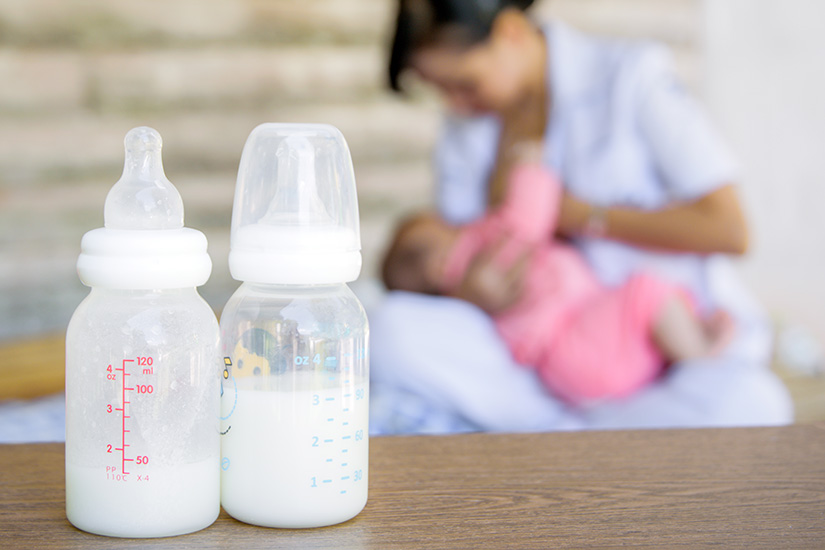
Do not fill a large bottle for the first attempt. Start with a small amount of breast milk or formula. This reduces waste and lowers pressure. If the baby only takes a little, that is still progress.
For breastfed babies, using freshly expressed breast milk may be helpful because the taste is familiar. If you are using stored milk, make sure it has been handled safely. The CDC’s breast milk storage and preparation guidance gives helpful storage times and handling steps for expressed milk.
Small practice bottles also make it easier to notice your baby’s response. Does the baby gag? Turn away? Chew the nipple? Latch and pause? Swallow too quickly? These signs help you decide whether the flow, timing, or position needs adjustment.
Choose a Slow-Flow Nipple
For many babies, especially breastfed babies, a slow-flow nipple is a good starting point. A fast-flow nipple can make milk come out too quickly, which may cause coughing, pulling away, leaking, or frustration. A slower flow gives the baby more control.
Bottle nipple labels can be confusing because brands use different terms like newborn, size 1, slow, preemie, or stage 0. Instead of trusting the label alone, watch your baby. If milk pours out too quickly or your baby seems overwhelmed, try a slower nipple. If your baby works very hard and becomes upset, ask your pediatrician or lactation consultant whether a different option makes sense.
For more bottle-selection guidance, visit the Bottle Feeding Guide.
Let Someone Else Try
Some breastfed babies refuse the bottle from the breastfeeding parent because they know the breast is nearby. If possible, let another caregiver offer the first few bottles. This could be the other parent, a grandparent, a babysitter, or the person who will eventually feed the baby during work hours.
The breastfeeding parent may even need to step into another room for a short time. Babies can smell and sense closeness, and some will hold out for nursing if they know it is available. This does not mean the baby is being difficult. It simply means they are used to one feeding method and need time to learn another.
Keep the environment calm. The caregiver should hold the baby gently, speak softly, and avoid acting nervous. Babies often react to the mood in the room.
Try a Paced Bottle-Feeding Style
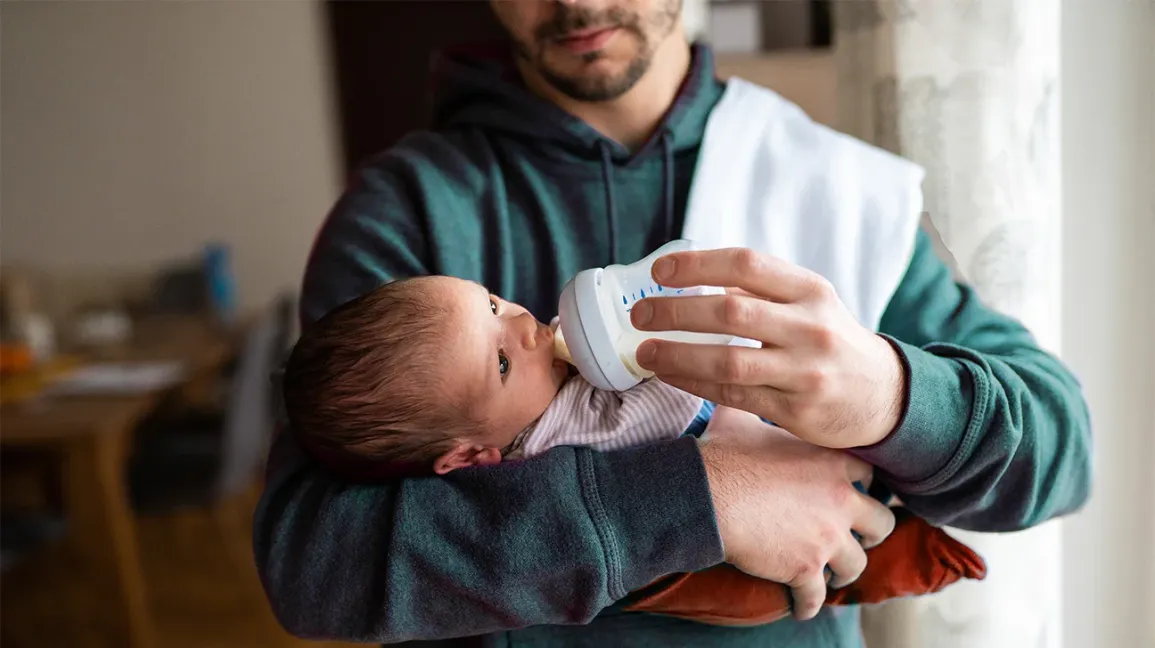
Paced bottle-feeding can make bottle feeds feel calmer and more controlled. Instead of tipping the bottle high and letting milk flow quickly, the caregiver holds the baby more upright and keeps the bottle more horizontal. This allows the baby to pause, breathe, and decide when to continue.
The CDC’s bottle-feeding information recommends starting with small amounts and watching hunger cues. Paced feeding supports that idea because it helps caregivers avoid pushing the baby to finish more than they want.
A paced approach can also help reduce stress for parents who worry the baby will overfeed from a bottle. Watch for signs that the baby needs a break: turning away, pushing the nipple out, slowing down, falling asleep, or looking uncomfortable.
Do Not Force the Bottle
If your baby refuses, pause. Forcing the nipple into the mouth or continuing when the baby is crying can make the bottle feel negative. Try again later or another day.
Bottle introduction is a learning process. Some babies need different positions. Some need a different nipple shape. Some prefer milk slightly warm. Some do better when they are sleepy. Some take the bottle better while moving gently, such as being rocked or walked.
A refusal is not a failure. It is information. Change one thing at a time so you can understand what helps.
Keep the Feeding Position Comfortable
Try holding your baby in a slightly upright position rather than lying flat. This can support calmer feeding and better control. Keep the baby close, but do not press the bottle into the mouth. Touch the nipple gently to the baby’s lips and wait for them to open and accept it.
Some babies prefer facing outward. Some prefer being held sideways. Some prefer a position different from breastfeeding. If one position does not work, try another.
The goal is comfort and safety, not speed.
Create a Low-Pressure Practice Routine
Practice once a day or a few times a week, depending on your timeline. If work or daycare is coming soon, consistent short practice can help. If you are introducing the bottle just for flexibility, you may move more slowly.
A simple routine might look like this: choose a calm time, offer a small bottle, let another caregiver try, stop if the baby becomes upset, and end with comfort. If the baby takes only a little, that still counts as progress.
Parents preparing for work schedules can also visit Working Parent Feeding Plans for ideas on building feeding routines around real schedules.
Keep Bottle Parts Clean
Bottle introduction is not only about the baby accepting the nipple. It is also about clean feeding habits. Bottles, nipples, rings, and caps should be cleaned after use and dried fully before storage.
The CDC’s cleaning guidance for infant feeding items explains that bottle parts should be taken apart before cleaning and allowed to air-dry thoroughly. This is especially important if you are using bottles only occasionally, because parts may sit in storage between uses.
Clean feeding gear helps make bottle practice safer and less stressful.
Protect Breastfeeding if You Want to Continue
Introducing a bottle does not mean breastfeeding has to end. Many families combine breast and bottle successfully. If your goal is to continue nursing, keep breastfeeding sessions consistent and use bottle practice in a way that supports your overall plan.
If you are pumping for bottles, try not to create pressure to build a huge freezer stash immediately. Many parents only need a realistic daily supply. The Pumping, Milk Storage page can help you think through milk storage without making the process feel overwhelming.
If your baby begins to prefer the faster bottle flow, return to slower nipples and paced feeding. If your milk supply changes or breastfeeding becomes painful, reach out for support early.
What If the Baby Keeps Refusing?
Some babies need more time. Try changing the person offering the bottle, the bottle nipple, the milk temperature, the feeding position, or the time of day. Try when the baby is calm and not too hungry. Try offering the bottle in a different room or during a relaxed walk around the home.
If refusal continues and you need the baby to take bottles soon, ask a lactation consultant, pediatrician, or feeding specialist for help. There may be a simple adjustment, or your baby may need a more personalized plan.
Avoid waiting until the situation becomes urgent. Support is easier when there is still time to practice.
Final Thoughts
Introducing a bottle without stress is about patience, timing, and a gentle approach. Start when your baby is calm. Use a small amount. Choose a slow-flow nipple. Let another caregiver try. Use paced feeding. Keep the mood relaxed. Stop if the baby becomes upset, and try again later.
A bottle is simply another way to feed your baby. It can support breastfeeding, pumping, formula feeding, working parent routines, and shared caregiving. The process does not need to be perfect on the first day.
Give your baby time to learn. Give yourself permission to go slowly. With practice and a calm routine, bottle feeding can become a normal, comfortable part of your family’s feeding plan.
For more parent-friendly feeding guides, visit the Breast to Bottle Blog and explore simple support for breastfeeding, pumping, bottle feeding, formula feeding, and working parent feeding routines.