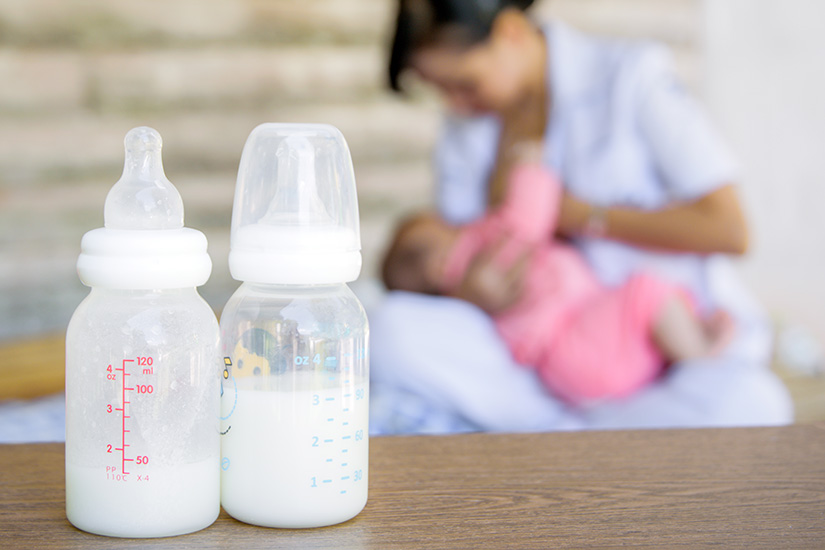
Returning to work after having a baby can bring many emotions at once. Some parents feel ready for routine again, while others feel nervous about leaving the baby and worry about pumping, bottles, daycare, formula, milk supply, and night feeds. Feeding can become one of the biggest stress points before work even starts. Taking proactive steps at home—like arranging On-site water testing in Queens to verify that your tap water is safe for formula prep and bottle washing—can relieve extra worry and help you feel fully prepared for the transition back to work.
A realistic feeding plan can make the transition easier. The goal is not to create a perfect schedule that works every single day. Babies change, workdays change, and parents get tired. The goal is to create a plan that covers the basics: how the baby will be fed while you are away, how milk or formula will be prepared, who will feed the baby, how pumping will fit into the workday, and what backup options are available. Part of preparing your household for formula mixing and bottle washing is learning how to check NYC water for lead so you can ensure your tap water is safe and pure for your baby’s nutrition.
A good return-to-work feeding plan should be simple enough for real life and flexible enough for imperfect days.
Start Planning a Few Weeks Early
If possible, start thinking about the feeding plan a few weeks before returning to work. This gives your baby time to practice bottles and gives you time to test pumping, storage, formula routines, or daycare instructions.
The CDC’s guidance on breastfeeding and returning to the workplace recommends practicing with your pump or hand expression before returning to work and thinking about how much milk your baby will need while you are apart.
Starting early does not mean you need to build a huge freezer stash or change everything overnight. It simply gives you time to learn what works before the first workday arrives.
For more support with work routines, visit Working Parent Feeding Plans.
Choose Your Main Feeding Method During Work Hours
Before building a schedule, decide how the baby will usually be fed while you are away. Some families use pumped breast milk. Some use formula. Some use a mix of both. Some breastfeed before and after work while the baby gets bottles during the day.
Your plan may look like one of these:
Breastfeed before work and after work, with pumped milk during the day.
Breastfeed at home and use formula during daycare hours.
Pump at work and send milk for the next day.
Use combo feeding with breast milk and formula bottles.
Formula feed during work hours and breastfeed for comfort when together.
There is no single correct plan. The best plan is the one that feeds your baby safely and supports your schedule, body, mental health, and childcare setup.
Practice Bottles Before the First Workday
If your baby has not taken a bottle yet, practice before work starts. Waiting until the first day of daycare can make the transition harder for the baby and caregiver.
Keep bottle practice calm. Offer a small amount when the baby is relaxed but hungry. Use a slow-flow nipple. Let another caregiver try if the baby refuses the bottle from the breastfeeding parent. Use paced feeding so the bottle does not feel too fast or overwhelming.
For more bottle help, visit the Bottle Feeding Guide.
Build a Pumping Plan That Matches Your Baby’s Feeds
If you want to provide breast milk while at work, think about when you will pump. The CDC’s pumping guidance says that when you are away from your baby or exclusively pumping, try to pump as often as your baby is drinking breast milk. This helps remind your body to keep making the milk your baby needs.
For many parents, this may mean pumping every few hours during the workday, but the exact timing depends on your baby’s age, your milk supply, your comfort, your job, and your pumping output.
A realistic pump plan might include a morning pump, a lunch pump, and an afternoon pump. Another parent may need shorter but more frequent sessions. The best schedule is one you can actually maintain.
Know Your Workplace Pumping Rights
If you are in the United States, many employees have legal protections for pumping at work. The U.S. Department of Labor explains that most covered employees have the right to reasonable break time to express breast milk for one year after the child’s birth, each time they need to pump. Employers must also provide a private space that is not a bathroom.
Workplace rules can vary by job and location, so it helps to learn your rights before returning. Talk with your employer early if possible. Ask where you can pump, how breaks will work, and where milk can be stored.
You do not need to wait until your first day back to figure this out.
Plan Milk Storage at Work
If you pump at work, you need a milk storage plan. The CDC’s breast milk storage guidance says freshly expressed breast milk can be stored at room temperature for up to 4 hours, in the refrigerator for up to 4 days, and in the freezer for about 6 months for best quality, with up to 12 months acceptable.
At work, many parents use a small cooler bag with frozen ice packs or an employee refrigerator if available. Label milk with the date and amount. Keep milk away from heat and direct sunlight. If using a shared fridge, store milk in a clean bag or container.
For more pumping and storage support, visit Pumping, Milk Storage.
Do Not Overbuild the Freezer Stash
Many parents think they need a huge freezer stash before returning to work. That can create unnecessary pressure. A small backup supply can be helpful, but many working parents pump milk during the workday for the next day’s bottles.
A realistic goal may be enough milk for the first workday plus a small emergency backup. If you can build more without stress, that is fine. But a freezer full of milk is not required for every family.
If pumping is difficult or supply is limited, formula can be part of the plan. Combo feeding can still be thoughtful and healthy.
Make a Daycare or Caregiver Feeding Note
Caregivers need clear feeding instructions. A simple note can prevent confusion and help your baby receive consistent feeds.
Your note might include:
Baby’s usual bottle amount
Preferred nipple flow
How often baby usually eats
How to pace-feed
How to warm milk or formula
What to do with leftovers
Signs baby is full
When to call you
Backup feeding plan
This is especially important if your baby switches between breast and bottle or uses both breast milk and formula.
Pack Bottles the Same Way Each Day
A repeatable packing routine saves time in the morning. Try preparing bottles, labels, caps, cold packs, and bags the night before when possible.
If sending breast milk, label each bottle with the date, amount, and baby’s name if required. If sending formula, follow daycare rules. Some centers want formula pre-mixed, while others allow powder and water separately. Always follow safe storage and preparation rules.
A simple checklist by the door can help:
Bottles
Labels
Cold pack
Bottle caps
Burp cloth
Extra nipple
Used-bottle bag
Backup milk or formula if needed
Include Formula Without Guilt If Needed
Some parents feel guilty adding formula to a return-to-work plan. But formula can be a practical tool. It may help if pumping output is lower than expected, work breaks are difficult, travel is involved, or the family wants a backup.
If using formula, prepare it safely. Follow the label exactly. Do not add extra water or extra powder. Use clean bottles. Store prepared formula according to timing rules.
For formula routines, visit the Formula Feeding page.
Think Through Morning and Evening Feeds
Many working parents breastfeed or bottle-feed before leaving and again after coming home. These feeds can become emotional connection points during the transition.
If breastfeeding, morning and evening nursing can help maintain closeness and support milk supply. If bottle-feeding, these feeds can still be calm bonding moments. Hold the baby close, feed responsively, and avoid rushing when possible.
The workday plan should not only cover the hours apart. It should also include what happens before and after work.
Prepare for Imperfect Days
Some days will not go according to plan. You may pump less than expected. A meeting may run long. The baby may drink more at daycare. A bottle may spill. You may forget a pump part. The caregiver may call with questions.
A realistic feeding plan includes backup options. Keep extra pump parts if possible. Store a backup formula option if your baby uses formula. Keep an emergency bottle at daycare if allowed. Know who to call if feeding becomes difficult.
The goal is not to prevent every problem. The goal is to have a plan when problems happen.
Protect Your Own Comfort
If you are breastfeeding or pumping, pay attention to your body. Skipping pumps suddenly can cause engorgement, leaking, discomfort, clogged ducts, or supply changes. If your work schedule makes pumping difficult, talk with your employer and healthcare provider about a better plan.
Bring nursing pads, a clean shirt if needed, pump wipes if you use them safely, storage bags, and extra parts. A small pumping bag can reduce stress.
Your comfort matters. A feeding plan that ignores the parent’s body is not realistic.
Review the Plan After the First Week
The first week back at work is a test run. After a few days, review what is working and what needs changing.
Ask:
Did the baby take bottles well?
Was the bottle amount right?
Did daycare need clearer instructions?
Was pumping possible at work?
Was milk storage easy?
Did we waste milk or formula?
Were mornings too rushed?
Do we need a backup plan?
Update the routine based on real life, not what you expected before work started.
Final Thoughts
Building a realistic feeding plan before returning to work is about preparation, not perfection. Start a few weeks early if possible. Practice bottles. Decide whether the baby will receive pumped milk, formula, or both. Create a pumping plan if needed. Learn your workplace pumping rights. Plan milk storage. Write caregiver instructions. Pack bottles consistently. Include backup options.
Returning to work is a big change for both parent and baby. A clear feeding plan can reduce stress and help everyone feel more confident.
The best plan is not the most perfect one. It is the one that safely feeds your baby, supports your workday, and gives your family room to adjust.
For more parent-friendly feeding support, visit the Breast to Bottle Blog and explore practical guides for breastfeeding, pumping, bottle feeding, formula feeding, and working parent routines.