Storing formula in a small Jersey City kitchen can feel like a daily puzzle. Many parents are working with narrow cabinets, limited counter space, crowded refrigerators, shared shelves, tiny sinks, older apartment layouts, and busy mornings. Formula cans, bottles, nipples, drying racks, labels, burp cloths, and daycare supplies can quickly take over the kitchen if there is no simple system. Setting up an efficient space for washing and preparing bottles is much easier when you know your tap water is pure, which is why scheduling Office building drinking water testing in Queens gives families and community members confidence in the quality and safety of their water supply.
The good news is that safe formula storage does not require a large kitchen. It requires a dry place for unopened and opened formula, a clean area for preparation, safe refrigerator habits for prepared bottles, and clear separation between clean and used feeding items.
Jersey City parents often need routines that work in apartments, condos, walk-ups, and shared family homes. A good formula storage system should be safe, compact, easy to repeat, and simple enough for every caregiver to follow.
Choose One Formula Home
The first step is to give formula one clear home. Do not let formula containers move from counter to cabinet to stroller basket to bedroom shelf. When supplies move around too much, it becomes easier to lose the scoop, expose the container to moisture, or forget where the backup formula is stored.
Choose one dry, clean cabinet or shelf for formula. Keep it away from the sink, stove, kettle, radiator, dishwasher steam, trash, pet bowls, and cleaning products. Formula powder should stay dry and protected.
A small bin can help. Place the formula container, backup container, labels, and clean measuring tools in one bin. This makes it easier to pull everything out, prepare a bottle, and put everything back.
For more formula-feeding basics, visit the Formula Feeding page.
Keep Formula Away From Moisture
Moisture is one of the biggest problems in small kitchens. Steam from cooking, sink splashes, wet counters, damp cabinets, and dishwashing areas can all affect formula storage.
Do not store powdered formula under the sink. Even if the space seems convenient, under-sink areas can be damp and may also contain cleaning products. Do not store formula beside a kettle, near a bottle warmer, on a windowsill with condensation, or near a stove where steam rises.
Keep the formula lid closed when not in use. Keep the scoop dry. If water drips into the container or the powder becomes damp, clumpy, strange-smelling, or changed in appearance, do not use it.
Use a Small Prep Tray
Small Jersey City kitchens often have counters that do everything: coffee station, mail drop, grocery space, food prep area, bottle station, and sometimes even work-from-home overflow. A formula prep tray can create a clean feeding area without needing more counter space.
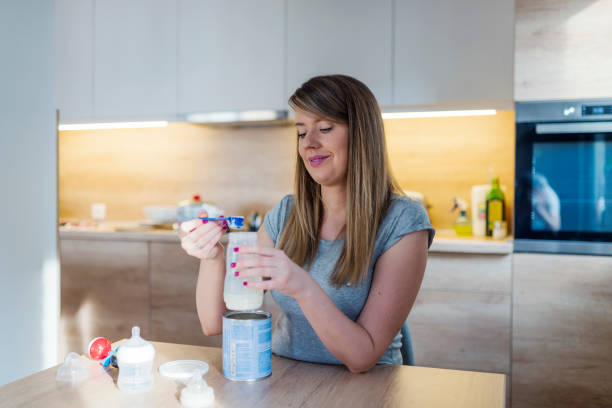
Use one washable tray only for baby feeding. Before preparing formula, wash your hands and clean the tray. Place the bottle, water, formula container, cap, and nipple on the tray. After preparing the bottle, clean the tray again and store it upright.
This helps keep formula preparation separate from dirty dishes, raw food, grocery bags, phones, keys, and cleaning sprays.
For bottle setup ideas, visit the Bottle Feeding Guide.
Store Unopened Formula in a Cool, Dry Place
Unopened formula containers should be stored according to the manufacturer’s instructions. In most homes, that means a cool, dry place. Avoid heat, moisture, direct sunlight, and freezing temperatures.
Do not store formula in a bathroom, laundry area, car trunk, stroller basket for long periods, or near heating pipes. Jersey City apartments can have warm closets, radiator heat, or cabinets close to appliances, so choose the storage spot carefully.
Check expiration dates before using a container. If a container is dented, damaged, leaking, opened, or past the expiration date, do not use it.
Make Opened Formula Easy to Track
Once a formula container is opened, follow the instructions on the label for how long it can be used and how it should be stored. Different products may have different instructions, so do not rely only on memory.
A simple label can help. Write the date you opened the container on a small piece of tape and place it on the lid or side of the container. This is especially useful when more than one caregiver prepares bottles.
For example:
Opened: June 10
Use by: Follow container instructions
Baby: Emma
This small habit prevents guessing.
Keep the Scoop With the Right Container
Formula scoops are not always the same size. Do not use a scoop from another formula brand or an old container. Keep the scoop that came with the container with that container.
The scoop should stay clean and dry. If it falls on the floor, touches the sink, or becomes wet, clean and dry it properly before using it again. Do not place a wet scoop back into powdered formula.
If you switch formula brands or formula types, read the new label carefully. Do not assume the scoop size or mixing instructions are the same.
Use Water From a Safe Source
Formula storage and preparation also depend on water safety. Use water from a safe source. If you are unsure about your tap water, old plumbing, building water quality, or a local advisory, ask your pediatrician or local health department what water is best for your baby.
HealthyChildren’s guidance on preparing formula with water explains that families should use a safe water source as defined by state or local government, and tap water can generally be used unless there is known contamination.
If your baby is very young, premature, medically fragile, or has immune concerns, ask your pediatrician whether any extra preparation steps are needed.
Store Prepared Formula Safely
Prepared formula has different storage rules than dry powder. Once formula is mixed with water, it should not sit out for long periods.
The CDC says prepared infant formula should be used within 2 hours of preparation and within 1 hour from when feeding begins. If it is not used within 2 hours, it should be stored in the refrigerator and used within 24 hours.
This means prepared bottles should be labeled clearly if they are made ahead. A label can include the time, date, amount, and baby’s name if the bottle is going to daycare.
Use a Fridge Bin for Baby Bottles
Small apartment refrigerators can become crowded fast. Leftovers, groceries, drinks, lunch containers, and baby bottles may all share limited space. A small refrigerator bin can keep prepared formula bottles organized and easier to identify.
Use one clean bin for baby bottles. Keep prepared formula away from raw meat, leaking containers, strong-smelling foods, and messy shelves. Place older bottles in front so they are used first.
A fridge bin also helps partners, grandparents, babysitters, and daycare-prep helpers find the right bottle quickly.
Do Not Store Powdered Formula in the Refrigerator
Powdered formula should not be stored in the refrigerator unless the product label specifically says so. Refrigerators can create moisture, and moisture is not good for formula powder.
Keep powder dry in its original container. Do not pour formula powder into random jars or containers unless the formula manufacturer specifically allows it. The original container has important information, including preparation instructions, lot number, expiration date, and storage guidance.
If there is ever a recall or question about the formula, the original container information matters.
Avoid Counter Clutter
Counter clutter makes formula preparation harder. It also increases the chance that clean bottle parts touch dirty surfaces. In a small kitchen, try to keep the formula area as clear as possible.
A simple rule helps: clean items go in clean storage, used items go in the dirty bottle bin, and formula goes back to its dry home after each use.
Do not leave formula containers open on the counter. Do not leave scoops beside the sink. Do not let clean nipples roll around near dishes or food prep.
Create a Daycare Bottle Routine
Many Jersey City parents prepare bottles for daycare, nanny shares, relatives, or babysitters. A clear daycare routine can save time and reduce mistakes.
The night before, clean bottles, label them, and prepare what you safely can according to your family’s routine. If bottles are prepared ahead, refrigerate them quickly and use them within the safe storage window.
A daycare label may include:
Baby’s name
Date
Time prepared
Formula amount
Formula type
Feeding notes
For parents managing work and feeding schedules, visit Working Parent Feeding Plans.
Keep Ready-to-Feed Formula Separate
Some families use ready-to-feed formula for travel, daycare backup, nighttime feeds, or newborn feeding. Ready-to-feed formula should be stored according to the label. It should not be diluted with water.
HealthyChildren explains that infant formula generally comes in powder, concentrated liquid, and ready-to-feed forms. Each form has different preparation needs, so read the label carefully.
If you keep ready-to-feed formula as a backup, store it in the same dry formula area and check expiration dates regularly.
Keep Clean and Dirty Bottle Parts Separate
Formula storage is easier when bottle storage is also organized. Clean bottle parts should not mix with used bottle parts.
Use one clean bin for dry bottle parts and one dirty bin for used items waiting to be washed. After feeding, separate the bottle, nipple, ring, and cap. Keep used items away from clean supplies until they are washed and dried.
Once washed, bottle parts should air-dry fully before storage. Damp parts placed in a closed cabinet can develop unpleasant smells and may not stay clean.
Write Simple Instructions for Caregivers
If multiple people feed the baby, write the formula routine down. This is especially helpful in busy apartments where everyone shares the same small kitchen.
A caregiver note might say:
Formula is in the white cabinet.
Use the scoop from the current container only.
Measure water first.
Add the exact number of scoops from the label.
Do not add extra water.
Do not add extra powder.
Prepared bottles are in the fridge bin.
Use labeled bottles first.
Dirty bottles go in the gray bin.
Simple instructions make feeding safer and less stressful.
Do a Weekly Formula Reset
A weekly reset helps small kitchens stay under control. Once a week, check the formula area. Look at expiration dates. Check the opened date label. Wipe the shelf or bin. Remove empty containers. Check bottle labels. Wash storage bins if needed. Make sure backup formula is still available if your family keeps extra.
This routine takes only a few minutes but prevents clutter and confusion.
Final Thoughts
Jersey City parents can store formula safely in small kitchens by keeping the system simple. Choose one dry formula home. Keep powder away from moisture, heat, and cleaning products. Use the original container. Keep the scoop dry and with the correct formula. Label opened containers. Prepare formula on a clean surface. Store prepared bottles in the refrigerator with clear labels. Use a fridge bin to keep bottles organized. Keep clean and dirty bottle parts separate.
Small kitchens do not have to make formula feeding stressful. With a clear routine, every caregiver can find what they need, prepare bottles safely, and keep feeding supplies organized.
The goal is not a perfect kitchen. The goal is a safe, repeatable system that works during real mornings, night feeds, daycare prep, and busy family life.
For more parent-friendly feeding support, visit the Breast to Bottle Blog and explore practical guides for breastfeeding, pumping, bottle feeding, formula feeding, and working parent routines.