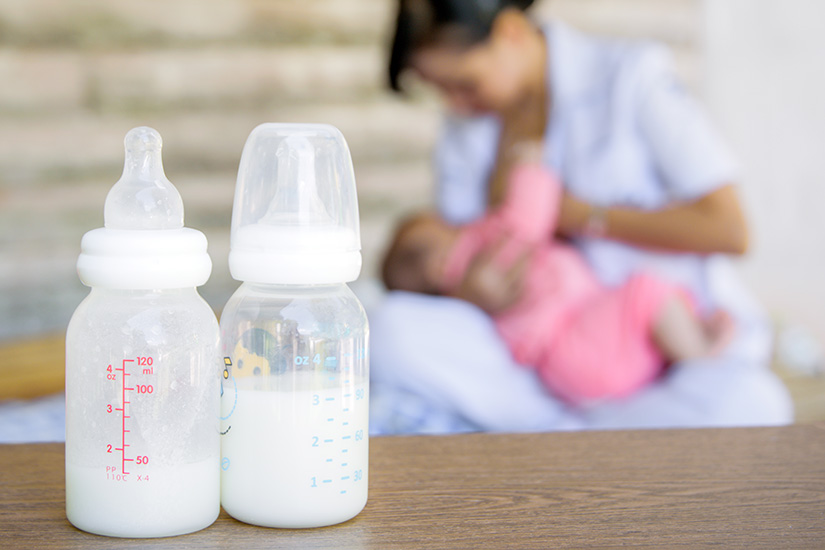
Brooklyn parents are experts at making small spaces work. A bottle-feeding setup in a brownstone, walk-up, studio, railroad apartment, or shared family home may look very different from a large suburban kitchen. There may be limited counter space, narrow cabinets, stroller traffic near the door, older sinks, radiator heat, and a baby sleeping just a few steps away from the kitchen. Designing an organized, efficient station for washing parts and mixing bottles makes daily routines smoother, which is why relying on Brooklyn independent water testing services helps families living in Brooklyn Click to open side panel for more information
That is why Brooklyn-style bottle-feeding hacks are usually not about buying more. They are about making the routine easier, cleaner, quieter, and more realistic. A good bottle-feeding system should help parents prepare bottles safely, clean parts fully, store milk correctly, and feed the baby calmly without turning the kitchen into a full-time bottle station.
These hacks are practical ideas Brooklyn families can adapt for real apartment life.
Create a One-Shelf Bottle Zone
The simplest bottle-feeding hack is to give bottles one clear home. In small apartments, bottle parts can quickly spread everywhere: nipples in one drawer, caps near the sink, bottles on the drying rack, pacifiers in the diaper bag, and formula on the counter.
Choose one shelf, drawer, bin, or cabinet space for clean bottle items. Keep bottles, nipples, caps, rings, and extra parts together. If you pump, keep pump parts separate but nearby. If you use formula, keep the container in a dry place away from sink splashes and stove heat.
The CDC recommends taking apart infant feeding items before cleaning and letting them air-dry fully before storage. Keeping clean items in one protected zone makes that easier and prevents clean parts from mixing with dirty kitchen items.
For more bottle setup support, visit the Bottle Feeding Guide.
Use a Counter Tray Instead of Taking Over the Kitchen
Many Brooklyn kitchens do not have much counter space. A counter tray can create a clean bottle-prep surface without needing a permanent station.
Use one washable tray only for baby feeding prep. Before making bottles, clean the tray and place the items you need on it. After prep, wash or wipe the tray and store it upright. This keeps bottles away from mail, keys, grocery bags, dirty dishes, and regular cooking mess.
A tray is also helpful if your kitchen is shared with roommates, family members, or older siblings. It creates a clear boundary: this is the clean baby-feeding area.
If you prepare formula, the CDC says to wash your hands, clean and sanitize the workspace, and prepare formula according to the label directions. A tray makes that routine easier in a small kitchen.
For formula-specific routines, visit Formula Feeding.
Keep Night Bottles Quiet and Simple
In an apartment, a loud nighttime bottle routine can wake everyone. Cabinet doors, bright lights, clinking bottles, running water, and searching for nipples can turn one feeding into a household event.
Set up a nighttime basket before bed. It can include burp cloths, clean bottle parts, a small towel, and anything safe to keep at room temperature. Milk or prepared formula should still be stored safely according to guidance, but the non-refrigerated supplies can be ready.
Use a soft light instead of overhead lighting. Keep used bottles in one designated dirty bin until morning, unless they need immediate handling. Do not mix dirty bottle parts with clean ones.
This small setup helps partners and caregivers take over feeds without asking where everything is at 2 a.m.
Label Milk Like a Brooklyn Delivery Order
When multiple bottles or milk bags are in the fridge, labels prevent confusion. Use simple labels with the date, amount, and baby’s name if the milk is going to daycare.
The CDC says freshly expressed breast milk can be kept at room temperature for up to 4 hours, in the refrigerator for up to 4 days, and in the freezer for about 6 months for best quality, with up to 12 months acceptable. Clear labeling helps parents use milk in the right order and avoid guessing.
A simple label might say:
Monday 8 AM — 3 oz
Tuesday night — 2 oz
Daycare — June 12 — 4 oz
If you are pumping and storing milk often, visit Pumping, Milk Storage for more planning support.
Store Milk in Small Amounts
Brooklyn parents who pump often learn this quickly: small amounts save stress. If your baby usually takes 2 or 3 ounces at a time, storing milk in huge bags may lead to waste. Once milk is warmed or used in a bottle, it has limits on how long it can be safely kept.
Small portions are easier to thaw, easier to warm, and easier to combine if the baby wants more. This also helps caregivers avoid pressuring the baby to finish a large bottle just because the milk was thawed.
Start with the amount your baby usually drinks, then offer more if they still show hunger cues.
Use Paced Feeding in Busy Homes
Bottle feeding can become rushed when parents are multitasking. In a Brooklyn apartment, the caregiver may be feeding the baby while someone is cooking, the buzzer is ringing, the dog is barking, or another child needs help. Paced feeding helps keep the baby’s feed calm even when the home is busy.
Hold the baby upright. Use a slow-flow nipple. Keep the bottle more horizontal. Pause often. Watch the baby’s cues. Do not force the baby to finish.
Paced feeding is especially helpful for breastfed or combo-fed babies because it can make bottle feeding feel more controlled and less overwhelming. It can also help any caregiver learn when the baby is hungry, full, tired, or needing a break.
For a full feeding rhythm guide, visit the Breastfeeding Basics page.
Keep a “Clean and Dirty” System for the Diaper Bag
A city diaper bag can become messy fast. Bottles, pacifiers, wipes, snack containers, keys, toys, used burp cloths, and stroller items can all end up together.
Use two small pouches: one for clean feeding items and one for used items. Clean pacifiers, bottle caps, and nipples should not touch dirty burp cloths or used spoons. If a bottle is used while outside, place it in the dirty pouch or a separate section until it can be washed.
This system is especially helpful for stroller walks, pediatrician visits, subway trips, daycare drop-offs, and family visits.
Choose Bottles With Fewer Parts
Some bottles have vents, valves, tubes, inserts, and several tiny pieces. These may help some babies, but they also create more cleaning work. In a small kitchen, complicated bottles can quickly become frustrating.
The CDC recommends separating bottle parts such as bottles, nipples, caps, rings, and valves before cleaning. If your bottle has many extra pieces, each one needs attention.
Brooklyn parents often do better with a bottle that matches the baby’s needs but is still easy to wash. Before buying a large set, test one or two bottles. Ask yourself: Can I take this apart quickly? Can I clean every piece? Does it dry fully? Will I still want to wash this after a long day?
Simple products are often easier to keep safe.
Make the Drying Rack Work Harder
Drying racks can take over small counters. A compact vertical rack, wall-friendly rack, or washable drying mat may work better in tight apartments.
Place the drying rack away from raw food, sink splashes, trash, pet bowls, and cleaning sprays. Bottle parts should air-dry fully before storage. Damp parts stored too soon can develop musty smells.
If counter space is very limited, use a drying mat during the day and store it after everything dries. The goal is not to keep baby gear on display forever. The goal is to clean, dry, and reset.
Keep Formula Away From Heat and Moisture
Formula powder needs a dry, cool storage spot. Do not store it beside a steamy stove, on a radiator cover, under a leaky sink, or next to cleaning products. Keep the scoop clean and dry.
If your apartment has a tiny kitchen, use a sealed bin or high cabinet for formula supplies. Keep clean bottles nearby, but avoid storing formula where water can splash into the container.
The CDC formula guidance says infant formula does not need to be warmed before feeding. If your baby accepts room-temperature formula, that can make Brooklyn apartment life easier because it reduces warming steps and nighttime noise.
Use a Mini Fridge Bin
A small bin inside the refrigerator can keep baby bottles and milk bags organized. This is helpful in shared fridges or crowded family kitchens.
Use one clean bin for pumped milk, prepared bottles, or baby feeding items that need refrigeration. Label milk clearly. Keep baby milk away from raw meat, leaking containers, and strong-smelling leftovers.
A bin also makes it easier for partners, grandparents, or babysitters to find the right bottle without searching through the whole fridge.
Prep for Daycare the Night Before
Brooklyn mornings can move fast. Daycare drop-off, subway timing, stroller packing, elevator waits, or school runs can make bottle prep stressful. Prepare bottles and labels the night before when possible.
Set out clean bottles, caps, labels, and the daycare bag. Store milk safely in the fridge until leaving. Use an insulated bag and cold packs when needed. Keep clean and used items separate.
A short evening routine can prevent rushed mistakes in the morning.
For work and daycare planning, visit Working Parent Feeding Plans.
Teach Every Caregiver the Same System
Bottle-feeding hacks only work if everyone uses them. Partners, grandparents, babysitters, and daycare helpers should know the basics: where clean bottles are, where dirty bottles go, how much milk to offer, how to pace-feed, and what to do with leftovers.
Write a small note if needed. It does not have to be fancy. A simple paper on the fridge can say:
Use slow-flow nipple.
Start with 3 oz.
Pace-feed upright.
Dirty bottles go in the gray bin.
Milk bags are labeled by date.
Clear instructions reduce stress and help the baby get a more consistent feeding experience.
Do Not Prop Bottles
Bottle propping may seem tempting when a parent is exhausted or trying to multitask, but babies should be held and watched during bottle feeds. A baby cannot control the bottle safely if milk keeps flowing while they need to pause.
Hold the baby, watch their face, and pause when needed. Feeding is not only about getting milk into the baby. It is also a chance to notice comfort, breathing, swallowing, fullness, and connection.
Final Thoughts
Brooklyn parents often build bottle-feeding systems around real space limits, busy mornings, older kitchens, shared caregivers, and small storage. The best hacks are simple: create one bottle zone, use a clean prep tray, label milk clearly, store small portions, keep clean and dirty items separate, choose bottles that are easy to wash, and teach every caregiver the same routine.
Bottle feeding does not require a huge kitchen or a complicated setup. It needs clean parts, safe milk handling, responsive feeding, and a routine parents can repeat even when tired.
A small apartment can still support a calm, organized bottle-feeding plan. With a few practical systems, bottles become less stressful and more manageable.
For more parent-friendly feeding support, visit the Breast to Bottle Blog and explore practical guides for breastfeeding, pumping, bottle feeding, formula feeding, and working parent routines.