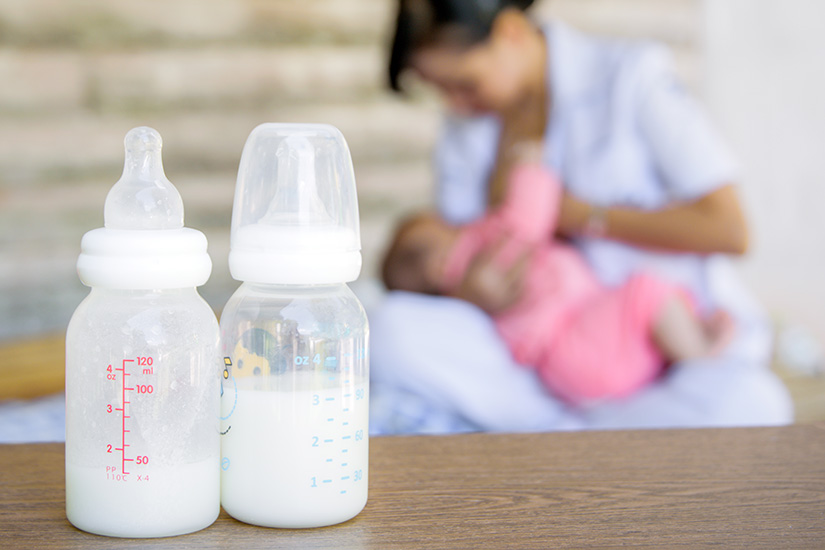
The shift from breastfeeding to formula can feel much bigger than a feeding change. For many parents, it can feel emotional, personal, and even confusing. A parent may know that formula is the right choice for their baby or their family, but still feel sadness, guilt, relief, worry, or uncertainty. As you transition to preparing formula safely, ensuring your home’s water quality by using certified drinking water lead laboratory testing for Brooklyn can offer total peace of mind and protect your baby’s health during this journey.
This emotional shift can happen whether breastfeeding lasted a few days, a few weeks, several months, or longer. It can happen when the change is planned, or when it comes suddenly due to pain, low supply, work schedules, medication, pumping burnout, baby weight concerns, or mental health needs. As parents adapt to new formula routines, relying on dependable Home and residential water testing in Manhattan helps ensure that every bottle prepared is safe, clean, and free from contaminants for their baby’s health.
The truth is that moving from breastfeeding to formula does not mean the bond is gone. It does not mean the parent failed. It means the feeding plan changed. Babies need safe nutrition, comfort, and care. Parents need support, rest, and a feeding routine that works in real life.
It Is Normal to Feel More Than One Emotion
Many parents expect to feel one clear emotion after switching to formula. But the reality is often mixed. A parent may feel relieved that someone else can help with bottles, but sad that breastfeeding is ending. They may feel proud they breastfed as long as they could, but guilty for stopping. They may feel peaceful one day and emotional the next.
All of these feelings can exist at the same time.
Breastfeeding is not only about milk. It can be connected to identity, closeness, recovery, expectations, and pressure. When it changes, emotions may come with it. Feeling emotional does not mean the decision is wrong. It means the experience mattered.
For support with early feeding expectations, visit Breastfeeding Basics.
Formula Is Not a Failure
Many parents carry the idea that formula is the backup plan only when something went wrong. That belief creates unnecessary shame. Formula is a valid way to feed a baby when breast milk is not used fully or at all.
The CDC’s guide on choosing an infant formula explains that no brand of infant formula is best for every baby and that families should choose an infant formula made especially for babies. Commercial infant formulas in the United States are regulated to meet nutrition and safety requirements.
Formula feeding can be safe, loving, responsive, and carefully planned. It can support growth, sleep, shared caregiving, work schedules, and parent well-being.
For practical formula support, visit Formula Feeding.
Relief Does Not Mean You Did Not Care
Some parents feel guilty because they feel relieved after switching to formula. They may finally sleep more, stop worrying about pumping output, heal from pain, share night feeds, or feel less trapped by feeding schedules.
Relief is not proof that breastfeeding did not matter. It is proof that the previous routine may have been hard.
A parent can love breastfeeding and still feel relieved when it ends. A parent can miss nursing and still appreciate formula. A parent can feel sad and confident at the same time.
Feeding decisions are not always simple because real life is not simple.
The Bond Can Continue
One common fear is that switching to formula will weaken the bond between parent and baby. But bonding does not come from breastfeeding alone. Babies bond through being held, fed, comforted, spoken to, rocked, changed, protected, and loved.
During a formula bottle, hold your baby close. Look at their face. Feed slowly. Pause when they need a break. Stop when they show fullness cues. Keep the feed calm and connected.
A bottle can be a bonding moment when the caregiver is responsive. Your baby still knows your smell, your voice, your touch, and your comfort.
For bottle-feeding technique and flow guidance, visit the Bottle Feeding Guide.
Switching Can Be Gradual or Direct
Some parents move from breastfeeding to formula slowly. They replace one feeding at a time, use combo feeding for a while, and let the baby adjust. Other parents need to switch more directly because of medical advice, parent health, medication, supply issues, or urgent family needs.
The NHS guide on combining breast and bottle feeding explains that it can take time for a breastfed baby to get used to bottle feeding and that it may help to offer bottles when the baby is relaxed.
If you have time and want a gradual transition, that may feel easier emotionally and physically. If you need to switch quickly, ask your pediatrician or lactation consultant how to do it safely and comfortably.
Your Body May Need Time Too
Stopping breastfeeding can affect the body. Some parents feel fullness, leaking, tenderness, or emotional changes as feeding patterns shift. If you are reducing breastfeeding gradually, your body may adjust more slowly. If you stop suddenly, you may need more support to stay comfortable.
Avoid abruptly dropping many feeds without guidance if you are uncomfortable or prone to clogged ducts. Ask a lactation consultant, OB-GYN, midwife, or healthcare provider for advice if you have pain, swelling, fever, or symptoms that worry you.
Your body deserves care during the transition too.
Learn Safe Formula Preparation
Once formula becomes part of the routine, safe preparation matters. Formula should be mixed exactly according to the label. Measure the water first, then add the correct amount of powder. Do not add extra water. Do not add extra powder. Use clean bottles and the scoop that comes with the formula container.
The CDC’s formula preparation and storage guidance says prepared formula should be used within 2 hours of preparation and within 1 hour from when feeding begins. If it is not used within 2 hours, it should be stored in the refrigerator and used within 24 hours.
Safe formula feeding is a skill, and it becomes easier with a simple routine.
Avoid Comparing Feeding Stories
The emotional shift from breastfeeding to formula can feel harder when parents compare. One parent may breastfeed longer. Another may pump more. Another may use formula from birth without guilt. Another may seem confident online.
You do not see the full story behind someone else’s feeding plan. You do not see pain, supply worries, work pressure, emotional stress, medical needs, or private decisions.
Your baby does not need someone else’s feeding journey. Your baby needs a safe, supported plan that works for your family.
Let Partners and Caregivers Help
One benefit of formula feeding is that other caregivers can help more easily. A partner can take a night bottle. A grandparent can feed while the parent rests. Daycare bottles may become simpler to plan. This shared care can reduce stress.
But partners should not only help with the feeding itself. They can also wash bottles, prepare the formula station, label bottles, track supplies, pack daycare bags, and learn safe formula rules.
Shared feeding works best when the whole routine is shared, not just the bottle.
For work and caregiver routines, visit Working Parent Feeding Plans.
Watch Your Emotional Health
It is normal to feel emotional during a feeding transition. But if sadness, anxiety, guilt, or overwhelm feels intense, constant, or makes daily life hard, it is important to talk with a healthcare provider.
ACOG’s postpartum depression guidance explains that postpartum depression can involve intense sadness, anxiety, or despair that affects daily tasks, and treatment can help.
Feeding changes can bring up strong feelings, and parents deserve support. You do not need to manage everything alone.
Create a New Feeding Ritual
If you miss breastfeeding, it may help to create a new bottle-feeding ritual. This can make formula feeding feel connected instead of only practical.
You might choose a quiet chair, use the same soft light at night, hold the baby skin-to-skin when appropriate, sing during feeds, or keep one calm morning bottle as a bonding time. The ritual does not need to copy breastfeeding. It only needs to feel warm and personal.
Feeding is still a relationship. The method changed, but the care remains.
Final Thoughts
The emotional shift from breastfeeding to formula can be complicated. Parents may feel grief, guilt, relief, peace, worry, or all of these at once. Those emotions are normal. Breastfeeding may have mattered deeply, and formula may still be the right next step.
Switching to formula does not erase your bond. It does not erase the effort you gave. It does not make you less caring. It simply means your baby’s feeding plan changed.
Focus on safe preparation, responsive bottle-feeding, and emotional support. Let other caregivers help. Avoid comparison. Ask for medical or mental health support when needed.
Your baby needs nourishment, comfort, and love. Formula can provide nutrition, and you still provide the love. For more parent-friendly feeding support, visit the Breast to Bottle Blog and explore practical guides for breastfeeding, pumping, bottle feeding, formula feeding, and working parent routines.