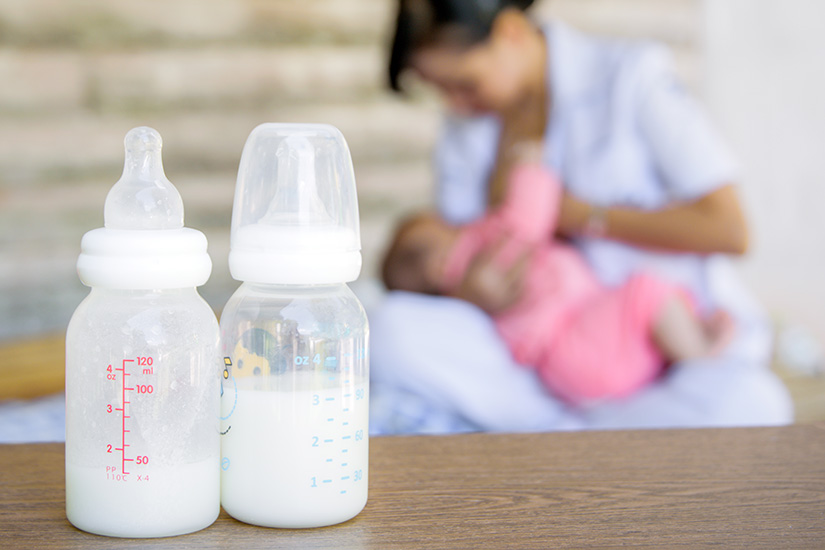
Most parents imagine some kind of feeding plan before the baby arrives, whether that means exclusive breastfeeding, pumping, formula feeding, or combo feeding. However, as you prepare to welcome your baby and stock up on bottles, making sure your home’s water supply is safe is just as essential. Choosing to check my drinking water for lead in Queens ensures that every bottle of formula you prepare is made with clean, safe tap water for your newborn’s health.
Then real life happens.
The baby may have latch trouble, milk may come in later than expected, or pumping may feel harder than planned. As your baby grows and adapts to new feeding routines, preparing for their safety both at home and in childcare environments becomes a priority—including relying on certified Bronx school water testing specialists to ensure clean, safe water for little ones outside the home when parents return to work or adjust daycare schedules.
No feeding journey goes exactly as planned because babies are real people, parents are real people, and life changes quickly. A changed feeding plan is not a failed feeding plan. It is often a sign that parents are paying attention and adjusting to what the baby and family need.
Feeding Plans Usually Start With Good Intentions
Most feeding plans come from love. Parents want to do what is best for their baby. They read, ask questions, buy supplies, prepare bottles, choose pumps, look at formula options, or plan breastfeeding support. That preparation matters.
But a plan made before birth cannot predict everything. It cannot predict the baby’s latch, the parent’s recovery, milk supply, work pressure, sleep loss, mental health, daycare needs, or medical concerns.
A feeding plan should be a guide, not a rule that makes parents feel trapped.
For early feeding support, visit Breastfeeding Basics.
Breastfeeding Can Be Different Than Expected
Some parents expect breastfeeding to feel natural right away. For some, it does. For others, it can involve pain, latch difficulty, cluster feeding, supply worries, tongue-tie concerns, engorgement, or emotional stress.
Needing help does not mean breastfeeding is failing. Many parents need a lactation consultant, pediatrician, or support person to help them adjust. Some continue breastfeeding fully. Some add pumping. Some add formula. Some stop breastfeeding because that is the healthiest choice for their family.
The important thing is not whether the original plan stayed perfect. The important thing is whether the baby is fed safely and the parent is supported.
Bottle Feeding Can Bring Surprises Too
Parents may assume bottles will be simple, but babies can have strong opinions. Some babies refuse bottles at first. Some prefer one nipple shape. Some need slower flow. Some drink too fast and need paced feeding. Some take bottles well from one caregiver but not another.
The CDC’s bottle-feeding guidance recommends starting with small amounts and offering more if the baby still shows hunger signs. This is a helpful reminder that bottle feeding should be responsive, not forced.
If bottles are part of the plan, parents may need time to test nipple flow, bottle position, milk temperature, and caregiver technique. For practical help, visit the Bottle Feeding Guide.
Pumping Is Often More Work Than Expected
Many parents think pumping will be simple: pump milk, store it, and feed later. In real life, pumping can involve schedules, flange sizing, washing parts, labeling milk, storing bags, carrying supplies, pumping at work, and worrying about output.
Some parents pump a lot. Some pump a little. Some never respond well to a pump even if breastfeeding is going well. Some parents decide that pumping is not worth the stress. Others rely on pumping as their main feeding method.
None of these paths are wrong. Pumping is feeding work, and it deserves respect.
For storage and pumping routines, visit Pumping, Milk Storage.
Formula May Become Part of the Plan
Some parents plan to use formula from birth. Others add formula later because of supply, work, sleep, medical guidance, or personal choice. Some parents feel relief when formula becomes part of the plan. Others feel guilt, even when it is clearly helping.
Formula is not a sign that a parent failed. It is a safe feeding option when prepared correctly and used appropriately. The key is to follow label instructions, use clean bottles, measure carefully, and avoid unsafe shortcuts like adding extra water or making homemade formula.
If formula becomes part of your baby’s routine, visit Formula Feeding for simple guidance.
Babies Change the Plan as They Grow
Even when feeding starts smoothly, babies change. A newborn feeding pattern may not match a 3-month-old feeding pattern. A baby may suddenly become distracted during feeds. They may drink more during growth phases. They may start refusing a bottle they accepted before. They may feed more at night after daycare starts.
These changes do not always mean something is wrong. Feeding is a relationship between the baby’s needs and the family’s routine. As the baby grows, the plan needs updates.
A flexible feeding plan leaves room for change.
Work and Daycare Can Change Everything
Returning to work often changes feeding. A breastfeeding parent may need to pump. A bottle-fed baby may need daycare labels and timed bottles. A combo-fed baby may need a clear plan for caregivers. A parent may realize that the original schedule does not fit the workday.
This is common. The first weeks of work or daycare are often a testing period. Parents may need to adjust bottle amounts, pumping times, formula backup, or evening feeding routines.
A working parent feeding plan should be realistic, not perfect. It should include what the baby eats, who feeds the baby, how bottles are stored, what happens if the baby refuses, and what backup is allowed.
Emotions Are Part of Feeding
Feeding can feel emotional because it is tied to love, identity, health, bonding, pressure, and expectations. Parents may feel proud, guilty, sad, relieved, frustrated, or confused — sometimes all in the same week.
If feeding stress becomes heavy, constant, or connected with intense sadness or anxiety, it is worth asking for help. ACOG explains that postpartum depression can involve intense sadness, anxiety, or despair that affects daily life, and it can be treated with support, therapy, and sometimes medication.
Parents deserve emotional support, not just feeding instructions.
Avoid Comparing Your Feeding Journey
Comparison makes feeding harder. One parent may have a large freezer stash. Another may use formula. One baby may nurse easily. Another may need bottles. One parent may pump at work without trouble. Another may not have enough breaks or privacy.
You are not seeing the whole story when you compare. You may not see the pain, exhaustion, cost, medical concerns, or private decisions behind someone else’s feeding routine.
Your baby does not need someone else’s plan. Your baby needs a plan that works in your home.
Focus on Safe and Responsive Feeding
When plans change, return to the basics. Is the baby being fed safely? Are bottles clean? Is formula mixed correctly? Is breast milk stored properly? Is the baby having wet diapers? Is growth on track? Are caregivers watching hunger and fullness cues?
The CDC’s hunger and fullness guidance reminds caregivers that babies do not need to finish every bottle if they show signs of being full. This matters because responsive feeding protects the baby’s comfort, whether the milk is breast milk, formula, or both.
Safe and responsive feeding is a better goal than perfect feeding.
Make Room for Backup Plans
A backup plan is not negative thinking. It is smart parenting. Backup may mean keeping a little frozen milk, having formula available, teaching a partner how to feed, writing daycare instructions, or knowing when to call the pediatrician.
A backup plan can reduce panic when something changes. It gives parents more options and keeps the baby’s needs at the center.
Final Thoughts
No feeding journey goes as planned because babies, bodies, work schedules, sleep, emotions, and daily life are unpredictable. A feeding plan may begin with breastfeeding and later include pumping. It may begin with formula and later include a different bottle routine. It may become combo feeding, daycare bottles, night bottles, or a plan that changes month by month.
Changing the plan does not mean failing. It means responding.
Your baby needs safe nutrition, comfort, and care. You need support, rest, and a feeding routine that is possible in real life. The best feeding journey is not the one that looks perfect from the outside. It is the one that helps your baby grow and helps your family function with confidence.
For more parent-friendly feeding support, visit the Breast to Bottle Blog and explore practical guides for breastfeeding, pumping, bottle feeding, formula feeding, and working parent routines.