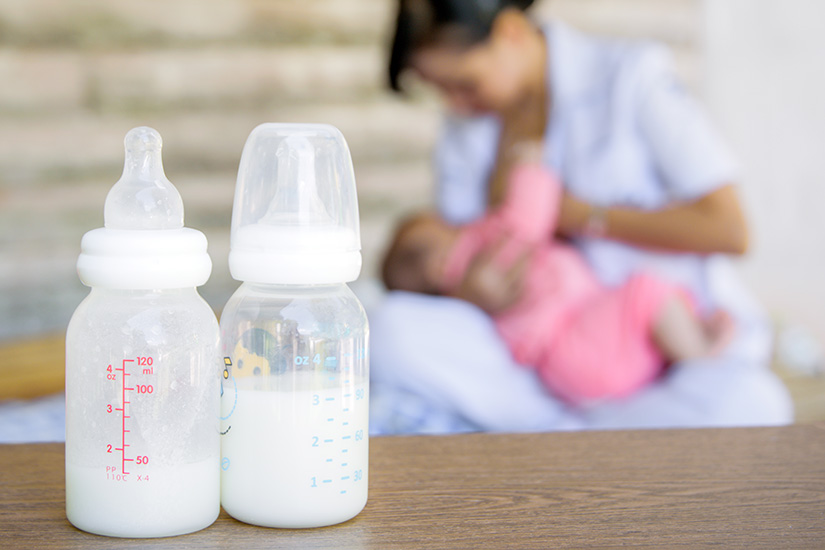
Switching between breast and bottle can feel confusing at first. Parents may worry the baby will reject the bottle, prefer the bottle too much, stop breastfeeding well, drink too fast, or become upset when different caregivers feed them. These worries are common, especially when families are preparing for work, daycare, pumping, shared night feeds, or combo feeding. Whether you are transitioning to expressed milk or mixed feeds, ensuring that the water used for washing parts or preparing extra bottles is completely pure is vital, which is why booking lead in tap water testing in the Bronx gives parents total confidence in their home water quality.
The good news is that many babies can switch between breast and bottle successfully. The key is to make the bottle feel calm, slow, and familiar instead of rushed or very different from breastfeeding. Babies do not need a perfect routine, but they do need consistency. When every caregiver follows the same feeding style, babies are less likely to feel confused.
Switching between breast and bottle works best when parents use a slow-flow nipple, paced bottle feeding, small amounts, safe milk handling, and careful attention to hunger and fullness cues.
Start With a Clear Feeding Goal
Before building a routine, think about why you are using both breast and bottle. Your goal may be returning to work, letting a partner help at night, giving pumped milk, using formula, preparing for daycare, or creating more flexibility.
Your goal affects the plan. A parent who only needs one occasional bottle may practice differently from a parent preparing for full workdays away from the baby. A family using pumped breast milk may have a different routine from a family using formula or combo feeding.
The goal does not have to be complicated. You might decide: “We want the baby to breastfeed most of the time but take one bottle each evening.” Or, “We want bottles during daycare and breastfeeding at home.” A clear goal helps everyone stay consistent.
For early feeding support, visit Breastfeeding Basics.
Keep the Bottle Slow
One of the biggest reasons babies become confused between breast and bottle is flow. If the bottle gives milk much faster than breastfeeding, the baby may start to prefer the bottle because it feels easier. Other babies may reject the bottle because the fast flow feels overwhelming.
A slow-flow nipple can help make bottle feeds calmer. It gives the baby more control and allows the caregiver to use paced feeding. Do not move to a faster nipple just because the baby is older. Watch the baby’s cues instead.
Signs the flow may be too fast include gulping, coughing, milk leaking, pulling away, wide eyes, or finishing the bottle very quickly. Signs the flow may be too slow include frustration, strong sucking with little swallowing, very long feeds, or falling asleep before taking enough.
For more help choosing bottle tools, visit the Bottle Feeding Guide.
Use Paced Bottle Feeding
Paced bottle feeding is one of the best ways to reduce confusion between breast and bottle. It helps bottle feeding feel more responsive and less rushed.
To pace-feed, hold the baby slightly upright, keep the bottle more horizontal, and let the baby take breaks. The milk should not pour quickly into the baby’s mouth. The baby should be able to suck, pause, breathe, and continue.
The CDC’s bottle-feeding guidance says to hold the bottle at an angle rather than straight up and down so milk comes out when the baby sucks. It also recommends letting the baby take breaks and watching fullness cues instead of forcing the baby to finish the bottle.
This matters because breastfeeding is usually not one steady fast flow from beginning to end. Babies naturally pause, rest, and adjust. Paced bottle feeding helps protect that rhythm.
Let the Baby Lead
Whether feeding at the breast or from the bottle, try to follow the baby’s cues. Early hunger cues may include turning the head, opening the mouth, sucking on hands, becoming more alert, or making small sounds. Crying is often a late hunger cue.
Fullness cues may include turning away, relaxing the hands, slowing down, pushing the nipple out, closing the mouth, or falling asleep. If the baby shows fullness cues, stop. Do not force the baby to finish the bottle.
This helps the baby trust both feeding methods. It also helps prevent overfeeding by bottle, which can happen when caregivers focus only on finishing the ounces.
Use Small Bottle Amounts
Small bottles are helpful when switching between breast and bottle. They reduce waste, lower pressure, and make it easier to respond to the baby’s cues.
If your baby usually drinks small amounts, do not fill a large bottle just because the bottle is big. Start with a realistic amount and offer more if the baby still shows hunger signs.
This is especially useful with pumped breast milk. Parents work hard to express and store milk, so wasting it can feel upsetting. Smaller bottles make it easier to warm only what the baby may take.
For storage and pumping support, visit Pumping, Milk Storage.
Keep Breastfeeding Sessions Familiar
If your goal is to continue breastfeeding, keep nursing sessions calm and familiar. Avoid making every feeding change at once. For example, do not introduce a new bottle, new nipple, new schedule, new caregiver, and new milk temperature all on the same day if you can avoid it.
Breastfeeding can continue to be the baby’s comfort and connection while bottles become another normal option. Some families breastfeed in the morning and evening while bottles are used during work hours. Others breastfeed most of the time and use one bottle at night.
The routine should match your baby, your body, and your schedule.
Let Another Caregiver Handle Some Bottles
Many babies take bottles better from someone who is not the breastfeeding parent. If the breastfeeding parent offers the bottle, the baby may wonder why nursing is not happening instead.
A partner, grandparent, babysitter, or daycare caregiver can help the baby learn that bottle feeding is a separate routine. The breastfeeding parent may need to step out of sight for a short time during practice.
This is not rejection. It is simply the baby learning that different caregivers can feed them in different ways.
For routine planning with caregivers, visit Working Parent Feeding Plans.
Keep the Bottle Routine Consistent
Babies feel less confused when the bottle routine stays predictable. Try to use the same bottle type, nipple flow, feeding position, and paced feeding style during practice. Once the baby is comfortable, small changes may be easier.
Caregivers should use the same approach. If one caregiver pace-feeds slowly and another tips the bottle high and encourages the baby to finish, the baby may receive mixed signals. A simple feeding note can help.
For example:
Use slow-flow nipple.
Hold baby upright.
Keep bottle more horizontal.
Pause often.
Stop when baby shows fullness cues.
Do not force the last ounce.
Simple instructions can prevent confusion.
Watch for Bottle Preference
Bottle preference can happen when the bottle is much easier or faster than breastfeeding. A baby may begin to fuss at the breast because they expect milk to come quickly. This does not always mean breastfeeding is over, but it may mean the bottle routine needs adjusting.
Try using a slower-flow nipple, more paced feeding, smaller bottle amounts, and more breaks. Keep breastfeeding calm and avoid pressure at the breast.
If your baby suddenly refuses the breast, seems frustrated while nursing, or your supply changes, reach out to a lactation consultant or pediatrician for support.
Watch for Bottle Refusal
Some babies go the other direction and refuse bottles. They may turn away, chew the nipple, cry, gag, or wait for breastfeeding. If this happens, slow down.
Offer the bottle when the baby is calm, not extremely hungry. Let another caregiver try. Use a small amount of milk. Touch the nipple gently to the baby’s lips and let them accept it. Stop if the baby becomes upset.
Do not make bottle practice a fight. Short, calm attempts work better than long stressful ones.
Handle Pumped Milk Safely
If you are switching between breast and bottle using expressed milk, storage matters. The CDC says freshly expressed breast milk can be stored at room temperature for up to 4 hours, in the refrigerator for up to 4 days, and in the freezer for about 6 months for best quality, with up to 12 months acceptable.
Label milk clearly with the date and amount. Use older milk first when possible. Store milk in clean containers or breast milk storage bags. Warm milk safely and avoid microwaving.
Safe milk handling helps every caregiver feel more confident.
If You Use Formula Too
Some families switch between breastfeeding, pumped milk, and formula. This is often called combo feeding. It can work well when the routine is clear.
Prepare formula exactly according to the label. Do not add extra powder or extra water. Use clean bottles and follow safe storage instructions. If your baby has allergies, digestive issues, poor weight gain, or medical needs, ask your pediatrician before changing formulas.
For formula support, visit Formula Feeding.
Avoid Comparing Every Feed
Breast and bottle feeds do not always look the same. At the breast, you may not know exactly how many ounces the baby takes. With a bottle, the amount is visible. This can make parents worry and compare too much.
Instead of focusing only on ounces, watch the bigger picture: wet diapers, growth, baby’s mood, feeding comfort, and pediatrician guidance. Some feeds are larger. Some are smaller. Babies do not eat the exact same amount every time.
Make Changes Slowly
If switching between breast and bottle is not going smoothly, change one thing at a time. Adjust the nipple flow, caregiver, milk temperature, bottle position, or timing — but not all at once.
A simple feeding log can help. Write down who fed the baby, what milk was used, bottle amount, nipple flow, baby’s reaction, and any problems. After a few days, patterns may appear.
Final Thoughts
Switching between breast and bottle without confusion is possible when the routine is gentle, slow, and consistent. Use a slow-flow nipple. Practice paced bottle feeding. Let the baby lead. Watch hunger and fullness cues. Offer small amounts. Keep caregivers on the same plan. Store milk safely. Make changes slowly.
The goal is not to make breast and bottle exactly the same. They are different feeding methods. The goal is to help your baby feel safe and comfortable with both.
With patience and a clear routine, babies can learn that breastfeeding and bottle feeding are both normal parts of their care. For more parent-friendly feeding support, visit the Breast to Bottle Blog and explore practical guides for breastfeeding, pumping, bottle feeding, formula feeding, and working parent routines.