Bottle refusal can feel stressful, especially when parents know a return to work, daycare start date, appointment, night shift, or shared feeding routine is coming soon. Many babies eventually learn to take a bottle, but it is usually easier to prevent a struggle than to wait until the bottle becomes urgent. Navigating these pressing schedule changes with confidence involves making sure every detail of daily infant care is completely secure, which is why scheduling professional lead water testing services for Manhattan helps families living in Manhattan ensure their home water supply is thoroughly tested and safe for all their bottle-preparation needs.
Preventing bottle refusal does not mean forcing the bottle early or replacing breastfeeding before you are ready. It means introducing the bottle gently, keeping it familiar, choosing the right flow, and making bottle practice feel calm instead of pressured. A baby who learns that the bottle is safe, slow, and comfortable is often more willing to accept it when another caregiver needs to feed them.
The key is consistency without pressure. A few relaxed practice feeds can make a big difference.
Start Before It Becomes Urgent
One common reason bottle refusal becomes stressful is timing. Parents may wait until the night before daycare, the week of returning to work, or the first time they need to be away for several hours. By then, everyone feels pressure. The baby feels the change, the caregiver feels nervous, and the feeding can turn into a battle.
If bottle feeding will be part of your future routine, start practicing before you truly need it. This gives your baby time to learn without hunger, urgency, or panic. You do not need to offer large bottles. Even a small practice amount can help your baby become familiar with the bottle.
If breastfeeding is still being established, speak with your pediatrician or lactation consultant about timing. Some families need bottles earlier for medical, supply, work, or personal reasons. Others wait until nursing feels more settled. The right timing depends on your baby and your feeding goals.
For early nursing support, visit Breastfeeding Basics.
Keep Practice Low Pressure
Bottle practice should not feel like a test your baby has to pass. Offer a small amount when your baby is calm, awake, and not extremely hungry. A very hungry baby may become frustrated quickly if the bottle feels unfamiliar.
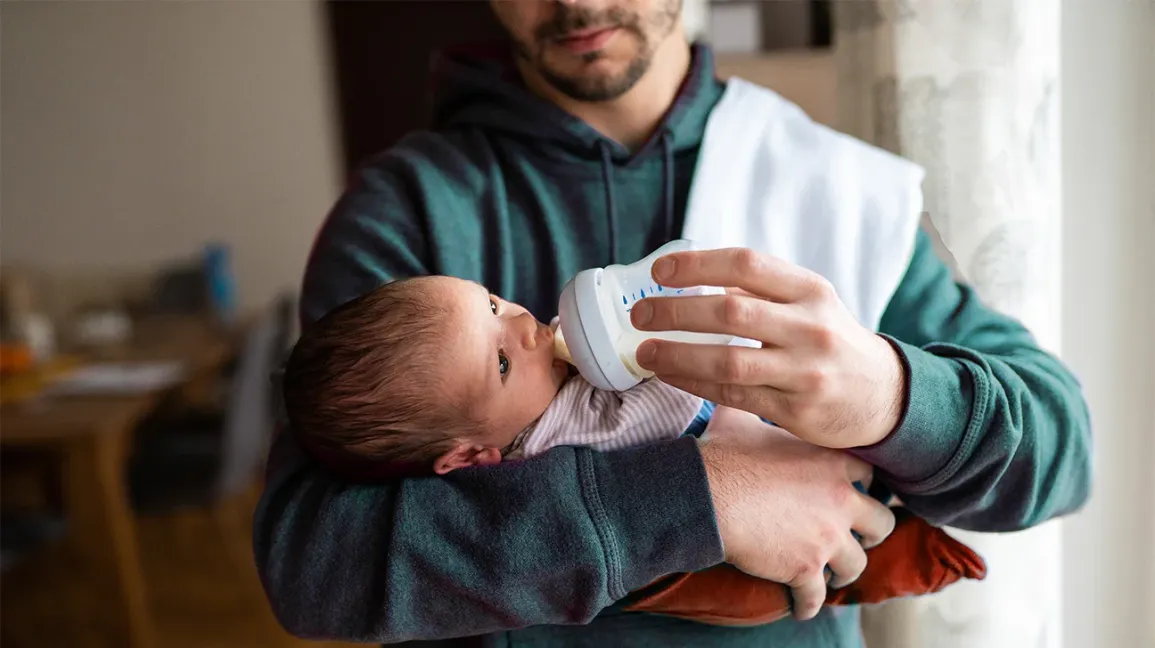
Start with a relaxed setup. Hold the baby close. Touch the bottle nipple gently to the baby’s lips and let them open their mouth. Do not push the nipple in or keep trying while the baby cries. If your baby refuses, pause and try again later.
HealthyChildren’s guide on introducing the bottle encourages gentle, patient bottle introduction. That approach matters because babies can develop negative feelings toward the bottle if every attempt feels forced.
The goal is not to finish a bottle. The goal is to create a calm first impression.
Use a Slow-Flow Nipple
A slow-flow nipple can help make bottle feeding feel more manageable. If milk flows too fast, the baby may cough, leak milk, pull away, or become overwhelmed. Some babies then start refusing the bottle because it feels unpleasant.
This is especially important for breastfed babies. Breastfeeding usually lets the baby control the rhythm more naturally. A fast bottle nipple can make milk flow even when the baby is not actively ready. A slower nipple gives the baby more control and helps the feeding feel less rushed.
Bottle nipple labels vary by brand, so watch your baby more than the package. Signs the flow may be too fast include choking, gulping, wide eyes, milk spilling from the mouth, or the baby turning away. Signs the flow may be too slow include frustration, hard sucking, or very long feeds.
For help choosing bottle tools and flow options, visit the Bottle Feeding Guide.
Let Another Caregiver Offer the Bottle
Some babies refuse bottles from the breastfeeding parent because they know nursing is available. If possible, let another caregiver offer bottle practice. This could be the other parent, a grandparent, a babysitter, or the caregiver who will later feed the baby during work hours.
The breastfeeding parent may need to leave the room for a short time. This does not mean the baby is being difficult. It simply means they associate one person with one feeding method.
A different caregiver can help the baby build a separate bottle-feeding relationship. The caregiver should stay calm, hold the baby comfortably, and avoid forcing the bottle. Babies often respond to the mood of the person feeding them.
Practice Often Enough to Keep the Bottle Familiar
Some babies accept a bottle once and then refuse it weeks later because it was not offered again. If you know bottles will be needed regularly, keep bottle practice consistent.
This might mean one small bottle every day, every other day, or several times a week, depending on your situation. The exact schedule does not have to be perfect. The point is to keep the bottle familiar enough that it does not feel brand new later.
If you are building a return-to-work routine, start slowly and increase practice as the date gets closer. The Working Parent Feeding Plans page can help parents think through feeding routines around real schedules.
Use Paced Bottle Feeding
Paced bottle feeding can help prevent bottle problems because it respects the baby’s hunger and fullness cues. Instead of tipping the bottle high and letting milk flow quickly, the caregiver keeps the baby more upright and holds the bottle more horizontally. This allows pauses during the feed.
The CDC’s bottle-feeding guidance recommends offering small amounts and watching the baby’s hunger cues. Paced feeding supports that idea by allowing the baby to slow down, rest, and stop when full.
Watch for fullness signs. Your baby may turn away, push the bottle out, relax their hands, slow sucking, or stop showing interest. Do not force the baby to finish the bottle. Pressure can make bottle feeding feel unpleasant and may increase refusal later.
Keep the Bottle Experience Comfortable
Small details can affect whether a baby accepts the bottle. Some babies prefer milk slightly warm. Some accept room-temperature milk. Some like a certain position. Some prefer movement, such as gentle rocking. Some do better in a quiet room, while others feed better when the situation feels casual.
Try changing one thing at a time. If you change the nipple, temperature, caregiver, bottle type, and room all at once, you will not know what helped.
A comfortable bottle setup may include:
A calm baby
A relaxed caregiver
A slow-flow nipple
A small amount of milk
A quiet feeding space
A slightly upright position
Permission to stop if the baby resists
The bottle should feel like a normal feeding option, not a stressful event.
Avoid Only Offering Bottles During Separation
If the only time your baby sees a bottle is when the breastfeeding parent leaves, the bottle may become linked with separation stress. Practice while everyone is calm and safe at home. Let the bottle become familiar before it is connected to daycare, work, or long absences.
This can help the baby understand that bottle feeding is just another way to eat. It also gives caregivers time to learn the baby’s feeding cues before they are responsible for a full day of feeds.
Protect Milk Taste and Storage
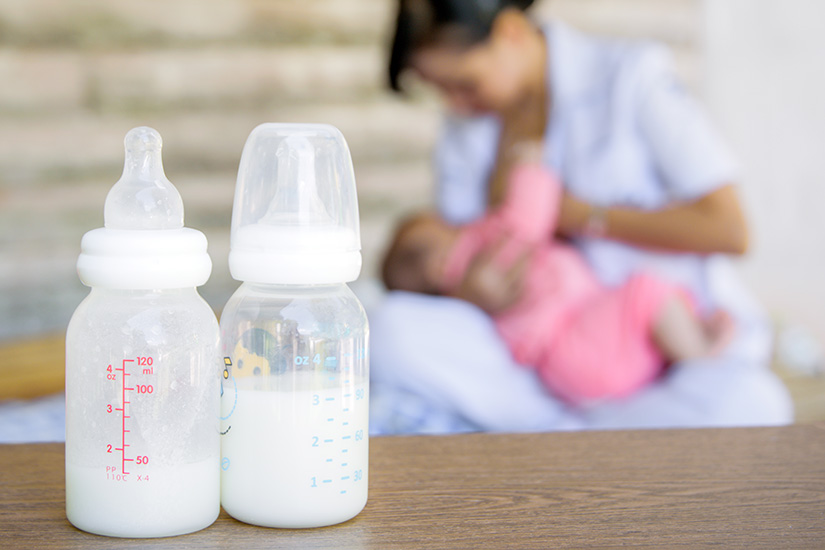
Sometimes a baby refuses a bottle because the milk tastes different than expected. Stored breast milk may smell or taste different after refrigeration or freezing. Some babies do not mind. Others are more sensitive.
Follow safe storage and handling practices so milk stays fresh. The CDC’s breast milk storage and preparation guidance explains how long expressed milk can be stored at room temperature, in the refrigerator, and in the freezer.
Label milk clearly, use older milk first, and avoid leaving bottles out too long. If your baby consistently refuses stored milk but accepts freshly expressed milk, ask a lactation consultant for help. There may be storage or milk-taste factors to consider.
For pumping and storage support, visit Pumping, Milk Storage.
Do Not Wait for a Perfect Bottle
Parents sometimes buy many bottles looking for the perfect one. A good bottle matters, but the feeding approach often matters just as much. A baby may refuse a bottle because the flow is too fast, the caregiver is tense, the baby is too hungry, or the bottle is being pushed too hard.
Before buying every bottle on the shelf, try adjusting the basics: slower nipple, calmer timing, different caregiver, paced feeding, and smaller practice amounts. If your baby still struggles, then trying a different nipple shape or bottle style may help.
Keep Bottle Parts Clean and Simple
A bottle that is hard to clean can make practice more stressful for parents. Choose bottles you can take apart, wash well, dry fully, and reassemble easily. If a bottle has many valves or tiny parts, make sure you can clean every piece.
Clean bottle parts after each use and store them dry. A clean, ready bottle makes practice easier because parents are not scrambling during the baby’s calm window.
Do Not Treat Refusal as Stubbornness
If a baby turns away from the bottle, it does not mean they are being stubborn. They may be confused, full, tired, overwhelmed by flow, uncomfortable in the position, or simply not ready. Babies communicate through body language.
Responding calmly helps prevent refusal from becoming stronger. Stop before the baby becomes very upset. Try again later. Keep the experience gentle.
If bottle refusal continues and you need bottles for work, daycare, or medical reasons, ask your pediatrician or lactation consultant for support early.
Final Thoughts
Preventing bottle refusal before it starts is about making the bottle familiar, calm, and comfortable. Start before it becomes urgent. Use small practice amounts. Choose a slow-flow nipple. Let another caregiver try. Practice consistently enough that the bottle stays familiar. Use paced feeding and respect your baby’s fullness cues.
The goal is not to make your baby take large bottles right away. The goal is to build trust with the bottle slowly. A baby who feels safe and unpressured is more likely to accept bottle feeding when it becomes part of daily life.
Bottle feeding can support breastfeeding, pumping, formula feeding, shared caregiving, and working parent routines. With a gentle plan, parents can reduce stress and help their baby learn this new skill at their own pace.