Pumping breast milk for the first time can feel awkward, emotional, and a little intimidating. Many parents expect the pump to be simple: attach the parts, turn it on, and collect milk. But the first pumping session often comes with questions. Is the suction too strong? Is this flange the right size? How much milk should come out? Why does it feel uncomfortable? Should pumping hurt? These questions are common, especially when pumping is added during an already intense season of feeding, healing, and caring for a baby.
The most important thing to know is this: pumping should not be painful. It may feel unusual at first. It may feel like gentle pulling, rhythmic tugging, or pressure. But sharp pain, pinching, burning, rubbing, nipple damage, or pain that continues through the session is a sign that something needs adjusting. The goal is not to “push through” discomfort. The goal is to set up the pump correctly, protect the nipples, support milk flow, and make pumping as calm and efficient as possible. Parents who are new to expressing milk can start with pumping and milk storage basics before building a full routine.
Start With the Right Reason for Pumping
Before the first pumping session, it helps to know why pumping is being added. Some parents pump because the baby is not latching well. Some pump to relieve fullness. Some are returning to work. Some want another caregiver to offer a bottle. Some are building a small emergency supply. Some are exclusively pumping. The reason matters because it affects timing, frequency, and expectations. A parent pumping once to relieve pressure does not need the same plan as a parent pumping every few hours to replace feeds.
If breastfeeding is still being established, pumping too often without guidance can sometimes create more confusion or extra work. If the baby is not transferring milk well, pumping may protect supply while latch is being addressed. If the parent is returning to work, pumping may be introduced gradually. If supplementation is needed, pumping may be part of a feeding plan. The best pumping routine is not the one someone else follows online. It is the one that fits the parent’s body, baby, and reason for expressing milk.
Check the Flange Fit First
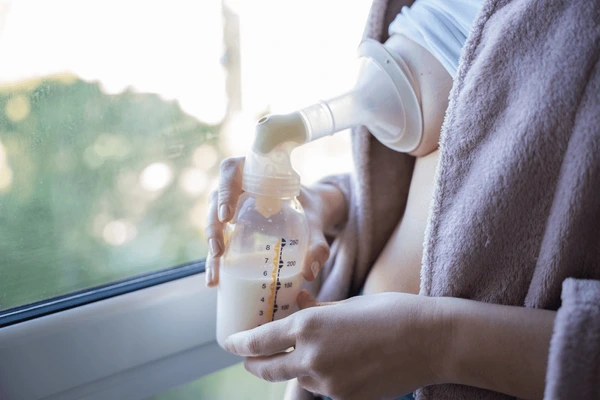
Flange fit is one of the biggest reasons pumping becomes painful. The flange is the funnel-shaped part that sits over the nipple and areola. If it is too small, the nipple may rub, pinch, or swell. If it is too large, too much areola may be pulled into the tunnel, causing discomfort and less efficient milk removal. Many pumps come with standard flange sizes, but standard does not mean correct for every body.
The Office on Women’s Health explains that pumping can be helpful for expressing and storing milk, but comfort and correct use matter. Parents can review its official pumping and storing breastmilk resource for practical background. A correctly fitting flange usually allows the nipple to move freely in the tunnel without rubbing hard against the sides and without pulling in excessive areola. The nipple may lengthen during pumping, but it should not look squeezed, blanched, scraped, or misshapen afterward.
Use Low Suction at First
A common first-time mistake is turning the suction too high. Many parents assume stronger suction means more milk. In reality, too much suction can cause pain, swelling, nipple damage, and poorer milk flow. Pumping should feel comfortable enough to continue without bracing the body. A strong but painful setting is not better. The best setting is usually the highest comfortable suction, not the highest possible suction.
Start low and increase slowly only if it still feels comfortable. If pain begins, lower the suction immediately. If lowering suction does not help, stop and check the flange fit, nipple position, and pump parts. Pain is information. It is not proof that the parent is weak or that pumping cannot work. The body often releases milk better when the parent feels safe and relaxed, not when the session feels like something to endure.
Center the Nipple Carefully
Even the right flange size can hurt if the nipple is not centered. Before turning the pump on, place the nipple in the center of the tunnel. The nipple should move forward and backward with the pump rhythm, not drag against one side. If pumping begins and the nipple shifts, pause, break suction, and reposition. It is better to stop and adjust early than to continue a painful session.
Good alignment also means sitting in a comfortable position. Leaning too far forward, twisting, or holding bottles awkwardly can make pumping harder. A hands-free pumping bra may help some parents, but it should not press the flanges too tightly into the breast or pull them out of position. Comfort and alignment matter more than rushing through the setup.
Warmth and Gentle Massage Can Help
Pumping is often easier when the body is relaxed and milk flow has started. Some parents find that warmth helps before pumping. A warm compress, warm shower, or gently warming the breasts for a few minutes may encourage let-down. Gentle breast massage before or during pumping can also help some parents, especially when milk flow feels slow.
Massage should be gentle, not aggressive. Hard pressing or deep digging can cause soreness. Think of it as encouraging milk movement rather than forcing milk out. Some parents also find it helpful to look at the baby, smell a baby blanket, watch a video of the baby, or take slow breaths before beginning. Pumping is physical, but let-down can be affected by stress, privacy, comfort, and emotional state.
Do Not Judge Supply by the First Pump
The first pumping session may produce very little milk, especially if the parent is early postpartum, pumping after a feeding, stressed, using the wrong flange size, or still learning the pump settings. This does not automatically mean supply is low. Babies are often better at removing milk than a pump, and the body may need time to respond to a new device. Some parents see only drops at first and improve later with better fit and timing.
It helps to set realistic expectations. Pump output depends on timing, baby’s feeding pattern, time of day, pump type, flange fit, let-down, hydration, stress, and whether the parent is replacing a feed or pumping after nursing. A parent who pumps after a full breastfeeding session may collect less than someone pumping instead of a feed. The amount in the bottle is not a complete measure of the body’s ability to nourish a baby.
Know When Pumping Should Stop
If pumping hurts sharply, causes nipple blanching, creates cracks, leads to bleeding, or makes the parent tense through the entire session, stop and reassess. A painful pump session should not be repeated without changes. Check the flange size, suction level, nipple alignment, valve and membrane condition, and whether the pump parts are assembled correctly. If pain continues, bring the pump to a lactation professional if possible so they can observe the setup.
Parents should also stop and contact a healthcare provider if they develop severe breast pain, fever, red hot areas on the breast, flu-like symptoms, or worsening nipple damage. Pumping can be a helpful tool, but it should not create injury. Early help can prevent a small discomfort from turning into a larger feeding problem.
Learn the Pump Modes
Many electric pumps have more than one mode. One mode is often designed to stimulate let-down with faster, lighter suction. Another mode is used for milk expression with slower, deeper suction. New parents sometimes skip the stimulation mode or do not understand what the buttons mean. Reading the manual matters, even if the pump looks simple. Each pump model can work differently.
Start with the let-down or stimulation setting if the pump has one, then switch to expression mode once milk begins flowing or after a couple of minutes, depending on the pump instructions. Some parents trigger another let-down later in the session by returning briefly to stimulation mode. The key is to use the pump as a tool with adjustable settings, not a machine that must be endured at one speed.
Keep Pump Parts Clean and Complete
Pain and poor output can sometimes happen when pump parts are worn, missing, or incorrectly assembled. Valves, membranes, duckbills, tubing, connectors, and backflow protectors all matter. If a small part is stretched, torn, wet when it should be dry, or not seated correctly, suction may feel wrong or milk output may drop. Parents should follow the pump manufacturer’s cleaning and replacement instructions.
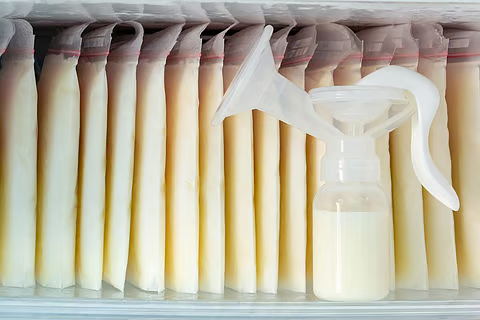
Milk safety also matters after pumping. The CDC provides official guidance on breast milk storage and preparation, including storage times and safe handling. Clean hands, clean parts, and proper storage help protect the milk after the work of pumping is done. A painless pumping session should still be paired with safe milk handling.
Choose the Right Time to Pump
Timing can affect both comfort and output. Some parents pump in the morning because supply may feel higher then. Some pump after the baby feeds. Some pump instead of a feeding when separated from the baby. Some pump briefly to relieve fullness. The right time depends on the goal. Pumping when breasts are extremely full may be uncomfortable, but pumping too soon after a feed may produce less milk and make parents worry unnecessarily.
If pumping is being added to build a small supply, one short session at a predictable time may be enough for some families. If pumping is replacing a feed, the session may need to be more complete. If pumping is part of a medical or supply plan, parents should follow guidance from a lactation consultant or healthcare provider. Families planning bottle use can also review the bottle-feeding guide so expressed milk is offered in a way that supports the overall feeding plan.
Use Lubrication Carefully if Needed
Some parents find pumping more comfortable when the inside of the flange tunnel is slightly lubricated. A small amount of food-grade oil or nipple-safe product may reduce friction for some people. However, parents should be careful about what they use, especially if the baby is very young, premature, medically fragile, or if the product may contact milk. It is best to ask a lactation professional or healthcare provider what is appropriate.
Lubrication should not be used to hide a bad fit. If the flange is too small or too large, lubrication may reduce rubbing slightly but will not solve the underlying problem. Comfort should come from correct size, proper nipple centering, and reasonable suction first. If the nipple still rubs, swells, or hurts, the setup needs another look.
Avoid Watching the Bottles Too Closely
It is very common for parents to stare at the bottles while pumping, waiting for milk to appear. This can increase stress and make the session feel longer. Stress does not help let-down. Some parents find it easier to cover the bottles with socks or a cloth so they are not constantly measuring progress. Others listen to music, look at baby photos, breathe slowly, or use the time to rest.
This does not mean output should never be tracked. Tracking can be useful for exclusive pumping, low supply concerns, or return-to-work planning. But during a first session, constant watching may create unnecessary worry. A calm environment, comfortable suction, and good flange fit are more important than judging the body minute by minute.
How Long Should the First Pumping Session Be?
The first pumping session does not need to be extremely long. Many parents start with about 10 to 15 minutes, depending on the reason for pumping and professional guidance. Pumping longer is not always better, especially if the session is uncomfortable. If milk is still flowing and the parent is comfortable, the session may continue a bit longer. If the parent is in pain or the nipples look irritated, it is better to stop and adjust.
Parents who are exclusively pumping or pumping because the baby is not feeding effectively may need a more structured schedule. Parents pumping occasionally may need much less. There is no single first-time session length that fits every family. The right session is the one that meets the goal without causing pain or injury.
Pumping at Work or Away From the Baby
Some parents begin pumping because they are preparing to return to work. In that case, comfort and routine become even more important. The pump should be easy to assemble, clean, transport, and use in the available space. Parents may need a cooler bag, milk storage bags or bottles, labels, spare parts, and a plan for cleaning or storing parts during the day.
Families building a workday feeding routine can review working parent feeding plans. A painless pumping routine is not only about the pump itself. It is about timing, privacy, storage, caregiver bottle-feeding, and making sure the parent is not trying to manage everything without support. Work pumping should be planned before the first day back when possible.
When to Ask for Help
Parents should ask for help if pumping is painful after adjusting suction and flange fit, if nipples are damaged, if output suddenly drops, if the pump does not seem to work correctly, or if pumping is needed because the baby is not feeding well. Help can come from an IBCLC, lactation counselor, pediatrician, midwife, nurse, or pump specialist. Sometimes the fastest way to fix pain is to have someone watch the setup and measure flange fit.
Parents should also ask for help if pumping is affecting mental health. Pumping can feel emotional, especially when output feels low or the schedule feels demanding. A feeding plan should support both the baby and the parent. Families who need guidance can use the contact page to ask about next steps or support options.
The Bottom Line on Painless First-Time Pumping
Pumping for the first time should feel manageable, not painful. The most common comfort issues come from flange fit, suction that is too high, poor nipple alignment, tense positioning, or unclear expectations. Parents can make pumping easier by starting with low suction, centering the nipple, checking flange size, using warmth and gentle massage, reading the pump manual, and stopping if pain appears. A small amount of milk at first does not automatically mean something is wrong.
Pumping is a tool, not a test of whether a parent is doing well. It can support breastfeeding, bottle-feeding, return-to-work plans, supplementation, or exclusive pumping, depending on the family’s needs. The best first pumping session is not the one that fills the most bottles. It is the one that protects the parent’s body, keeps milk handling safe, and helps the family take the next step with more confidence.